A smell we love and hate — stinky tofu
Brand Museum Docent
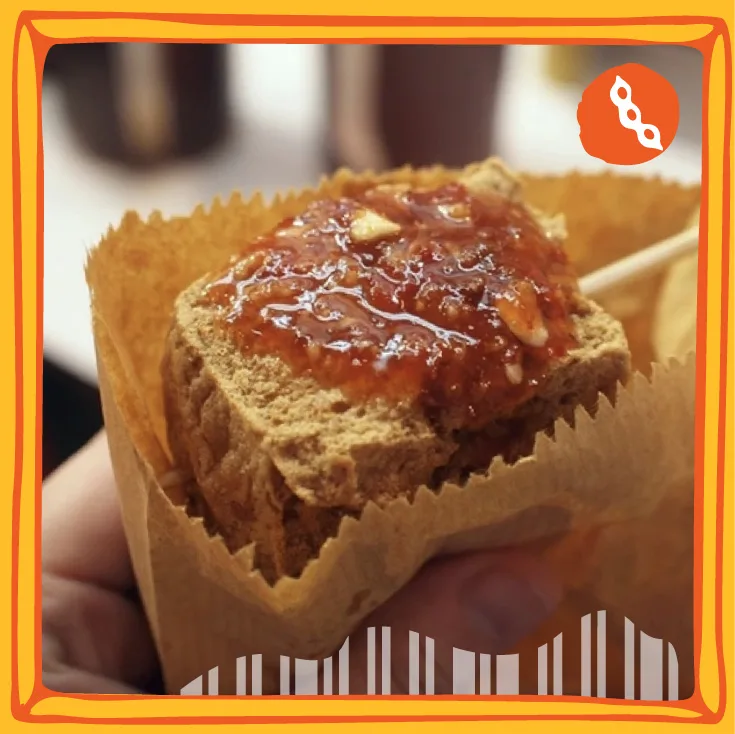
Every time you pass a snack stall, someone is standing beside it taking great mouthfuls of it slathered in sweet sauce — while someone else covers their nose and hurries past… That’s right: it is one of Hong Kong’s signature street snacks — stinky tofu (臭豆腐).
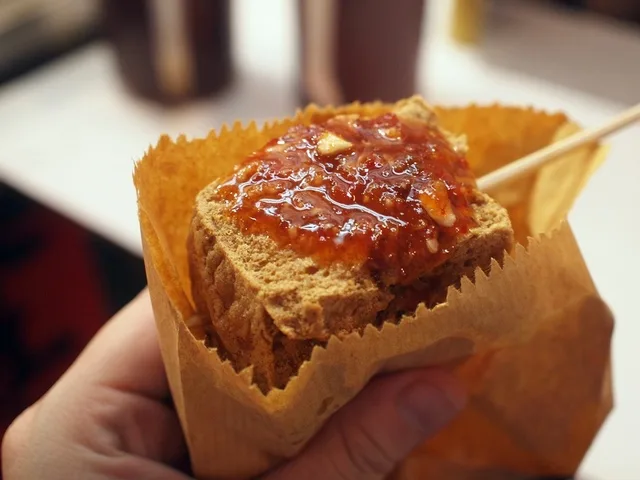
Stinky tofu was in fact created during the Kangxi reign of the Qing dynasty (late 17th to early 18th century) by a beancurd-shop keeper named Wang Zhihe. The story goes that one day his tofu went unsold, and in the hot weather tofu spoils easily, so he cut it into small pieces and put it in an earthenware jar with salt, Sichuan pepper and other ingredients. A few days later he opened the jar and found the tofu had all turned greenish. He tasted it at once: the smell was appallingly foul, yet the flavour was far from bad. He then set up a stall to hawk the tofu under a sign reading “green squares with a rare fragrance within the stench”, and it drew crowds of curious buyers. As word spread, it became a food famed throughout the capital — even Empress Dowager Cixi loved his stinky tofu!
In Hong Kong, good stinky tofu is hard to find, because fewer and fewer people are willing to make this snack. The curing of stinky tofu is not, as idle rumour has it, a matter of soaking it in toilet water: it is cured in a “stinky brine” (臭滷). One veteran of the trade uses sea prawns, mature ginger and dried tangerine peel; others use bamboo shoots, soya bean sprouts, potherb mustard (雪裡紅) and other aromatics. Every maker has their own secret recipe, but the essential point is to steep the tofu in a sealed barrel to ferment for two to three months — only then does stinky tofu’s distinctive fragrance develop.
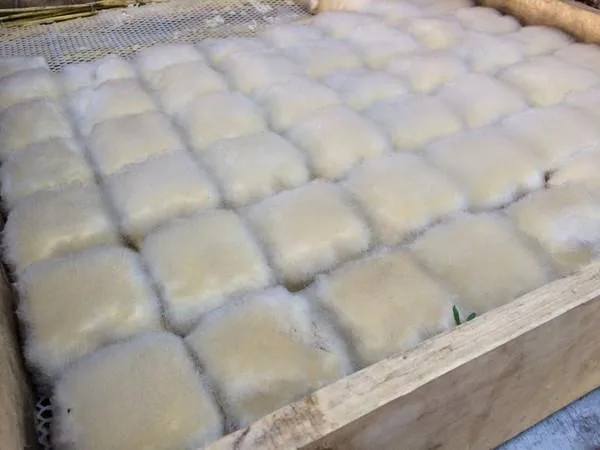
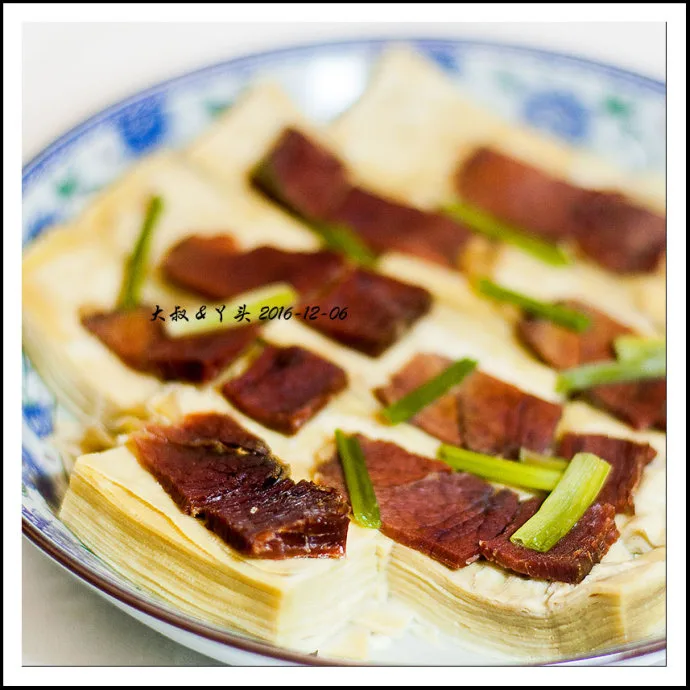
Across the provinces of China — Beijing, Nanjing, Huizhou, Zhejiang, Hunan, Yunnan and beyond — stinky tofu is cooked in different ways. Shaoxing cuisine is famous for its stinky delicacies, and its “mould-fermented” (霉鮮) dishes are hugely popular with locals. Among them is a dish even stinkier than stinky tofu — “mei qianzhang” (霉千張), in which the beancurd is made into wafer-thin sheets and steeped in the stinky brine to ferment; steamed, its aroma can carry next door or several lanes away!
In Yunnan, the method for stinky hairy tofu is more curious still: locals steam the tofu and leave it for three to four days, until the surface grows a coat of white fur (mould filaments), then grill or pan-fry it. Those who have tried it say it smells foul but tastes uncommonly fragrant.
Whether you love stinky tofu or loathe it, these foods are a fusion of history and culture — a singular taste handed down over hundreds and thousands of years.
Reading guide:
- Stinky tofu was created by accident during the Kangxi reign of the Qing dynasty by a man named Wang Zhihe, and went on to become a traditional Chinese speciality snack
- Because it is an off-putting trade, fewer and fewer masters in Hong Kong make stinky tofu
- There is no such thing as an authentic flavour of stinky tofu, because every shop cures it with its own secret recipe
- Different parts of China cook stinky tofu in different ways — Zhejiang’s mei qianzhang, Yunnan’s stinky hairy tofu
Mini challenge:
Sometimes even people who open restaurants never imagined that a particular pairing of foods could become a distinctive dish. Use your imagination: if you were the owner of a beancurd shop, how would you create a dish that is both unique and delicious?