The Story of Hong Kong Buses
In the 1970s and 1980s, Hong Kong’s bus industry flourished, with routes covering Hong Kong Island, Kowloon and the New Territories — it was also the era when bus models were at their most varied. Hong Kong is small and densely populated, and demand for transport was pressing; in 1949, when Hong Kong was a British colony, it introduced the double-decker bus, that symbol of “London”. Today, the double-decker — light, fuel-efficient and able to carry large numbers of passengers — has become one of Hong Kong’s most important means of transport, closely bound up with the everyday life of its people.
As a member of the bus family, I welcome you all to the Hong Kong Brand Museum’s The Story of Buses hall. Let me now take you through the little histories of Hong Kong’s bus industry, the brand stories behind it, and all sorts of fascinating bus trivia. Are you ready?
credit to editor: strawberry1314@12 yrs | special thanks : dick@yarraville (師傅 ) and babycolan
Bus Trivia
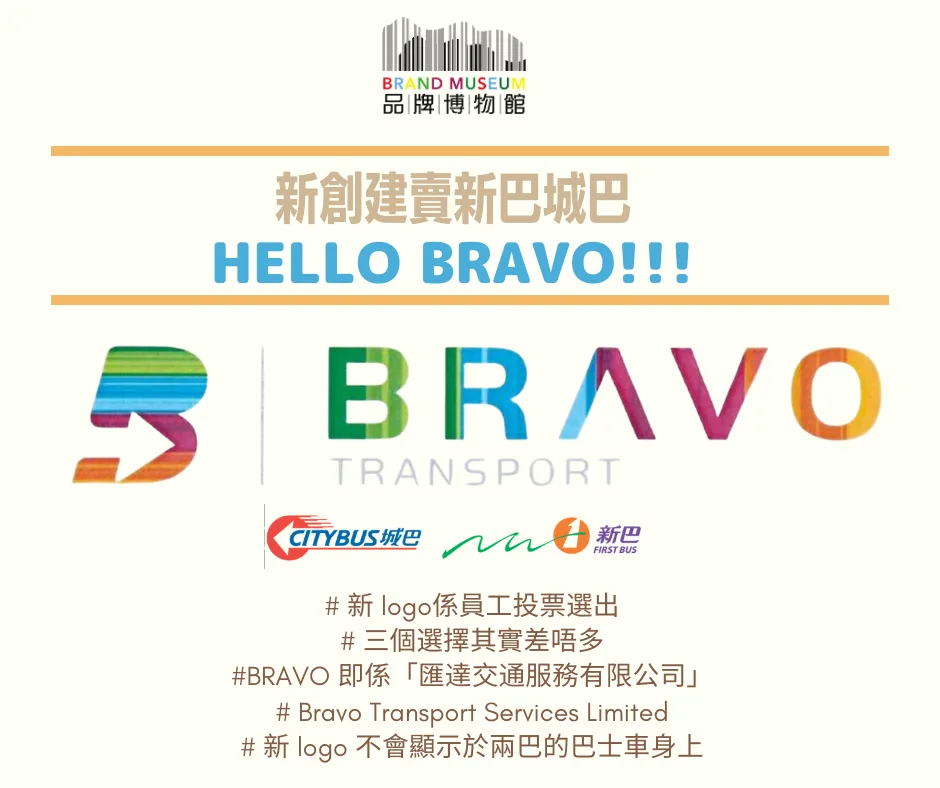
A new logo: the new parent company of New World First Bus and Citybus
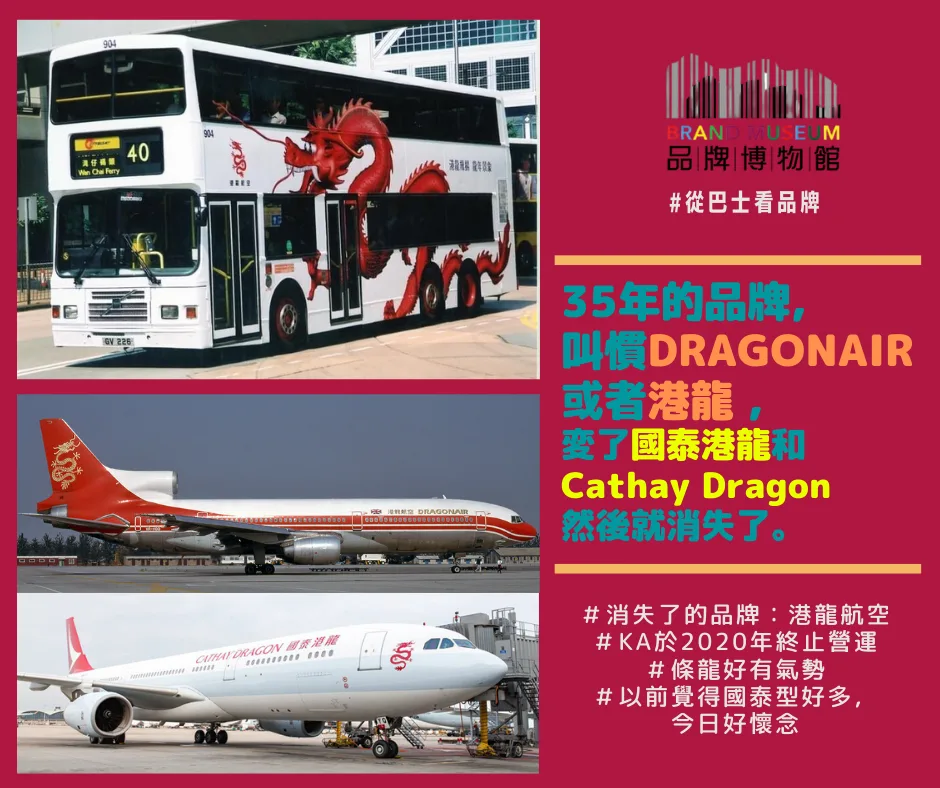
Remembering Dragonair
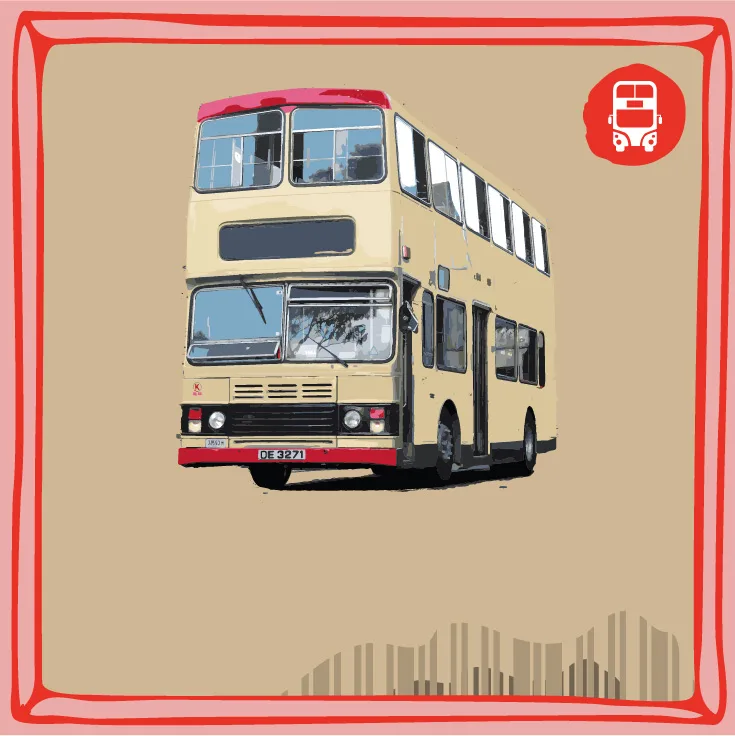
Retired KMB buses roaming foreign streets?
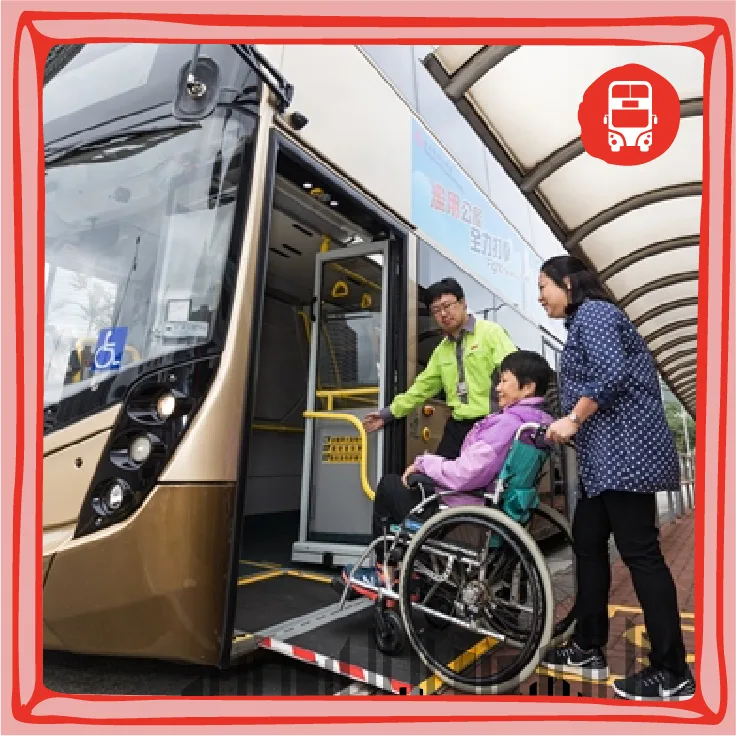
The barrier-free transport vision of Hong Kong’s public buses
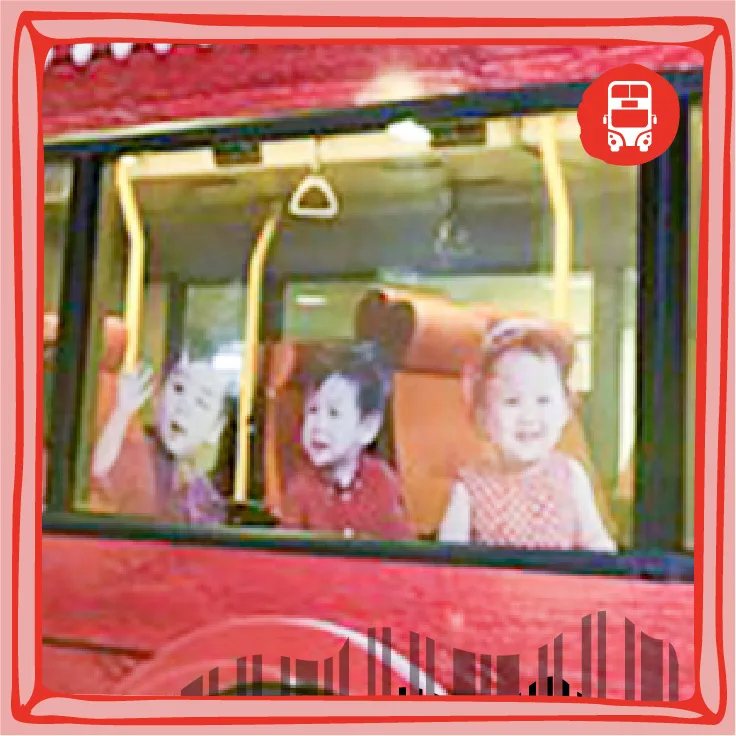
Can brand advertising and the view from the bus coexist?

The upper deck of a KMB bus becomes the talk of the internet
The further-reading articles and links above supplement the material in the Hong Kong Brand Museum’s parent–child picture book The Story of Buses. Every effort has been made to ensure the accuracy and completeness of the book’s content; if any information is missing or needs updating, please do not hesitate to let the author know.
Sources: news reports and images from the internet
The parent–child picture book series is now published!
[Thank you for your support — reprinted again
Hong Kong Brand Museum: The Story of Buses
Out of stock
View details](/booklover#bus-story)