Hang Seng Hall
Hang Seng Bank Limited
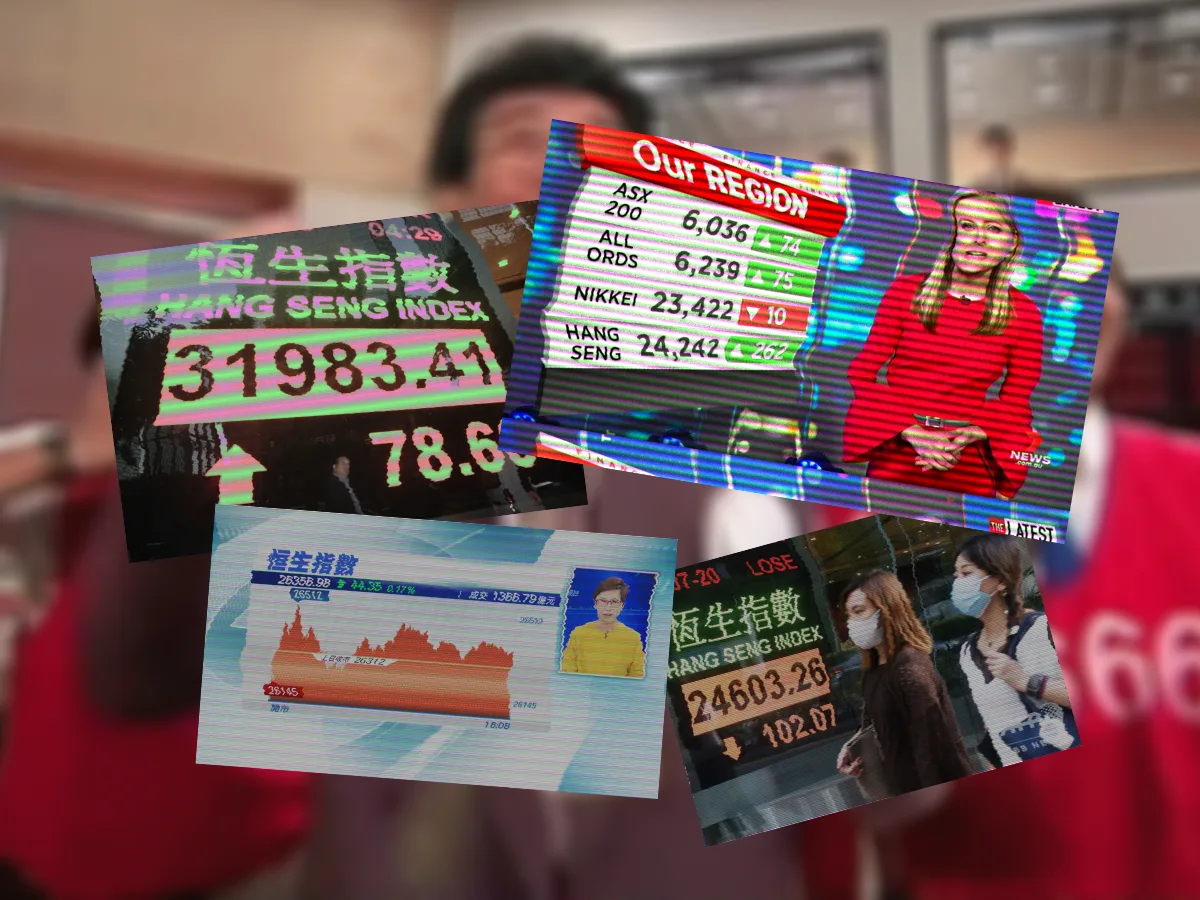
When a brand name appears in the news it is usually not good news — yet the “Hang Seng Index” appears in the news every single day. In recent years Hong Kong news outlets have increasingly shortened it to 恒指 (“Hang Chi”), so the exposure of the name “Hang Seng” has arguably declined. But in foreign news, “Hang Seng” remains a byword for the Hong Kong stock market, and the brand name appears directly in news reports across many countries.
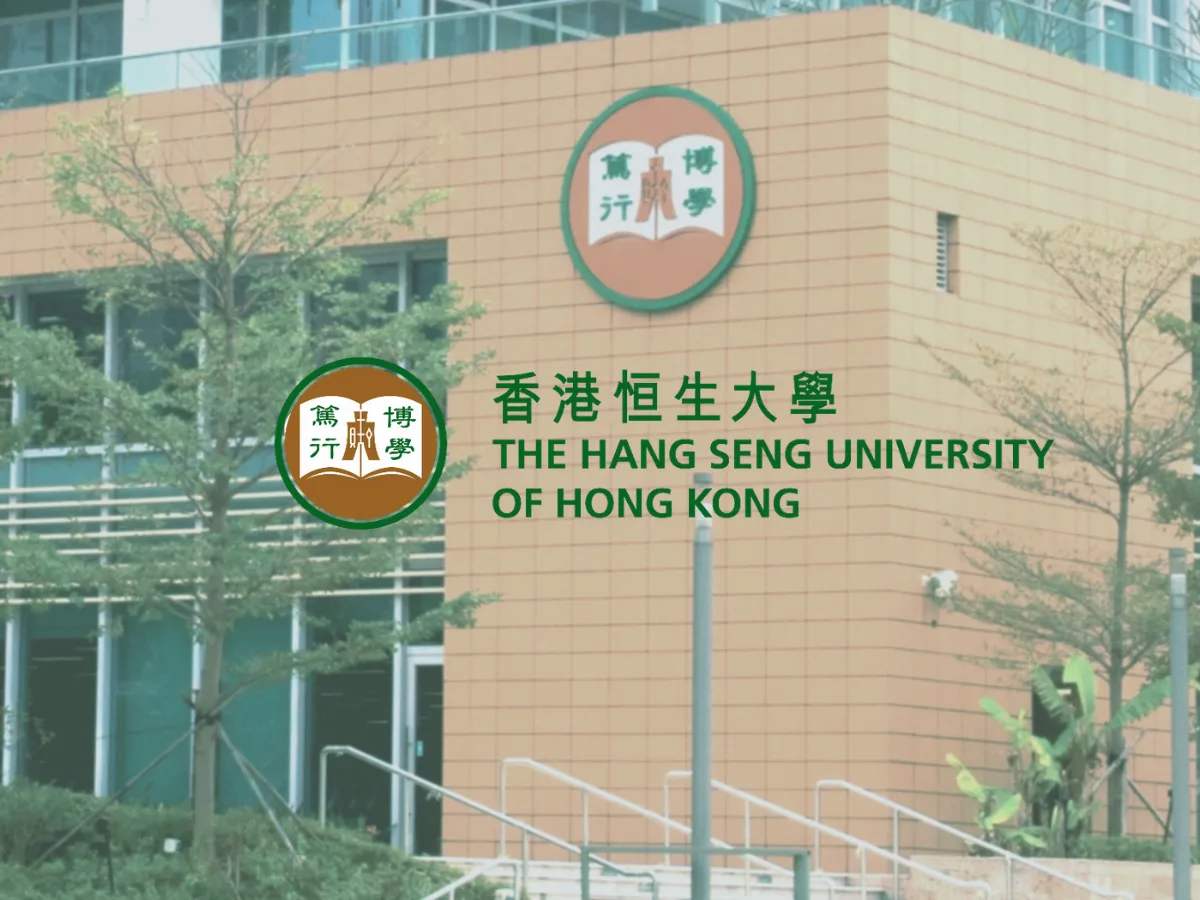
Hang Seng Bank and the Hang Seng Index both grew up alongside the people of Hong Kong. Even after HSBC took its stake, Hang Seng remained deeply rooted in Hong Kong’s Chinese community, and so in the British colonial era many Hong Kong people felt a real warmth towards it. After Hang Seng Management College was renamed “The Hang Seng University of Hong Kong” in 2018, the relationship between “Hang Seng” and Hong Kong culture should gain a further layer of meaning for the younger generation.
Hang Seng and the people of Hong Kong
1933
Opening
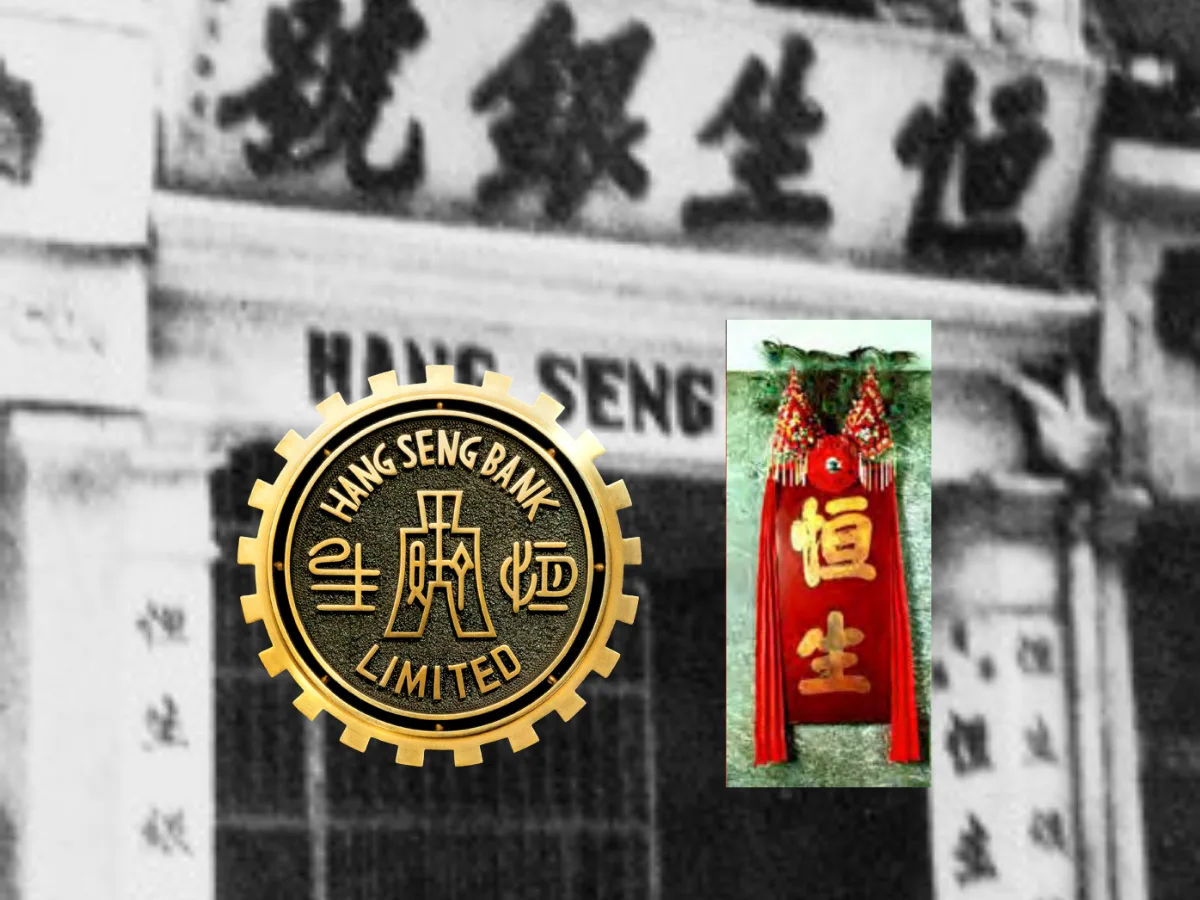
On 3 March 1933, Hang Seng opened as a small money-changing shop — a ngan ho (銀號, a traditional Chinese-style banking house) — at 70 Wing Lok Street. According to the official record, “Hang Seng” means “everlasting growth”. But it is also said online that Mr Ho Tim, a key figure in the bank’s history, once explained that the two characters 恒 and 生 were taken from the Hang Hing Ngan Ho (恆興銀號) and the Sang Tai Ngan Ho (生大銀號), banking houses run respectively by two of Hang Seng’s founders, Sheng Tsun-lin and Lam Bing-yin.
Hang Seng Bank was founded by four Chinese businessmen, so its corporate culture differed markedly from that of the foreign banks — even the Hang Seng logo was designed around an ancient Chinese coin. And Hang Seng’s God of Wealth promotional figure, used for many years, became beloved by the public. In 1960, Hang Seng was formally re-registered as a public limited company, and the brand name “Hang Seng Bank” officially came into being.
1949
Dah Chong Hong
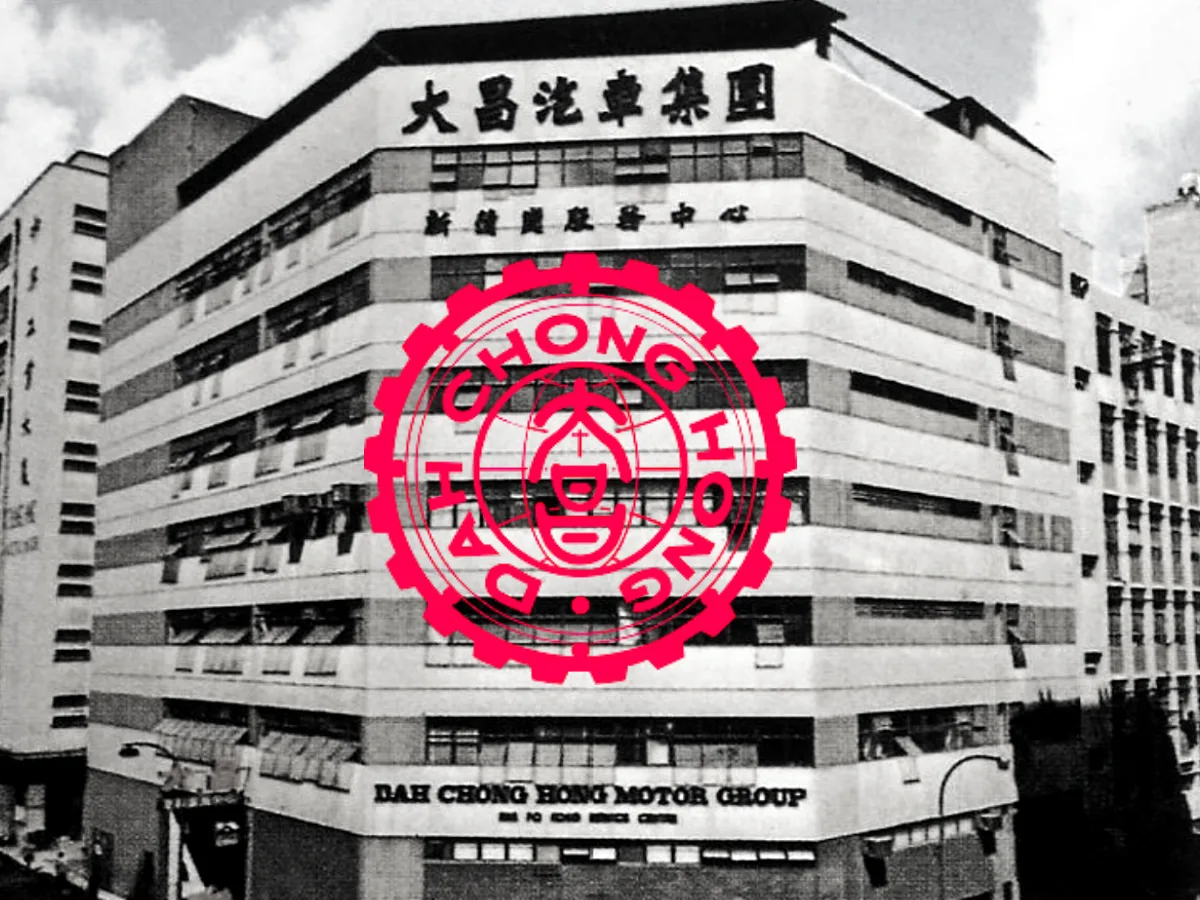
In 1949 several of Hang Seng Bank’s founders established Dah Chong Hong, at first mainly an importer and trader of foodstuffs, grains and oils, later extending into motor vehicles, electrical appliances and other businesses. In 1992 China’s CITIC took a stake in Dah Chong Hong, which became a wholly owned subsidiary. Dah Chong Hong’s businesses then diversified further, reaching deep into the daily life of Hong Kong people.
Have you ever felt that the old Dah Chong Hong logo carried a strong echo of Hang Seng Bank’s? Today, one wonders whether that shared heritage means more business cooperation between Dah Chong Hong and Hang Seng Bank — keep an eye out for exclusive Dah Chong Hong offers on your Hang Seng credit card!
1965
HSBC takes a stake
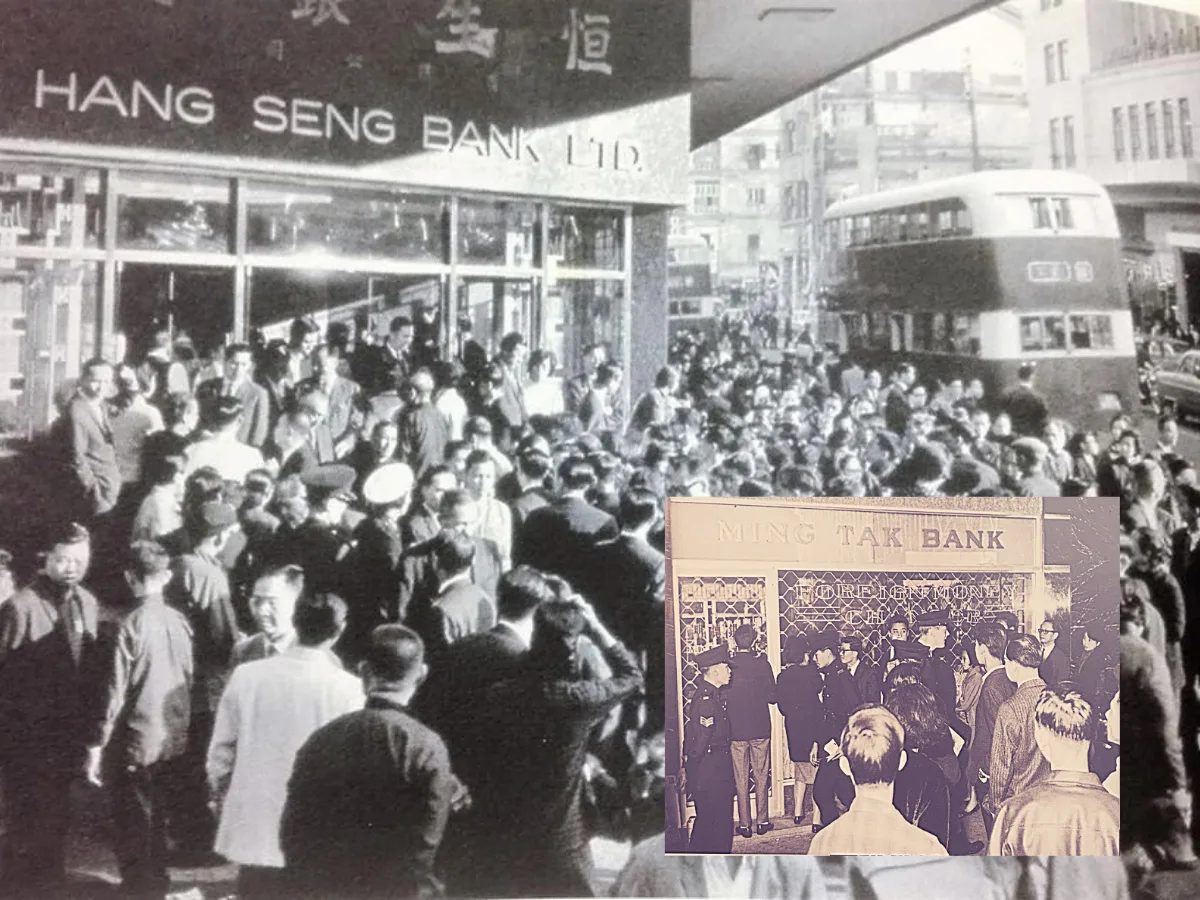
In 1965 came the great turning point for Hang Seng: either it would collapse, or it would grow into what it is today. By the mid-1960s, Hang Seng Bank was regarded as Hong Kong’s leading Chinese-owned private bank. But in January 1965, Ming Tak Bank (明德銀號), one of Hong Kong’s Chinese-owned banks, failed to honour a large cheque, triggering a scramble by depositors to withdraw their money. The Hong Kong government subsequently took over Ming Tak, but the run spread to other Chinese-owned banks and finally engulfed Hang Seng Bank.
HSBC then publicly pledged its support for Hang Seng, and went on to acquire a majority of its shares, allowing Hang Seng Bank to weather the crisis. Although HSBC has held a majority stake ever since, Hang Seng Bank still operates independently to this day, and its distinctive culture has been preserved. Hang Seng Bank remains a member of the HSBC Group, and Hang Seng’s and HSBC’s ATMs still share a single interconnected network, named ETC (易通財) — standing toe to toe with JETCO (銀通), the network founded in 1982 by Bank of China and other banks.
1969
The Hang Seng Index
In 1969 Hang Seng Bank launched the Hang Seng Index service. After decades of operation, the index has won international recognition as the principal barometer of the Hong Kong stock market. To this day, Hang Seng Bank still wholly owns Hang Seng Indexes Company Limited, which continues to develop new indexes as measures of market performance.
The story goes that when Hang Seng Bank decided to launch the Hang Seng Index, it hoped to create a Hong Kong counterpart to the Dow Jones Industrial Average. Many objected — some even argued that only a foreign bank was qualified to run such a thing — but Mr Ho Sin-hang, one of Hang Seng’s founders, overrode the dissent, saying that once the Hang Seng Index was launched, the newspapers, radio and television would repeat the two characters “Hang Seng” without end — which amounted to free advertising for the bank.
1981
Hang Seng in the MTR
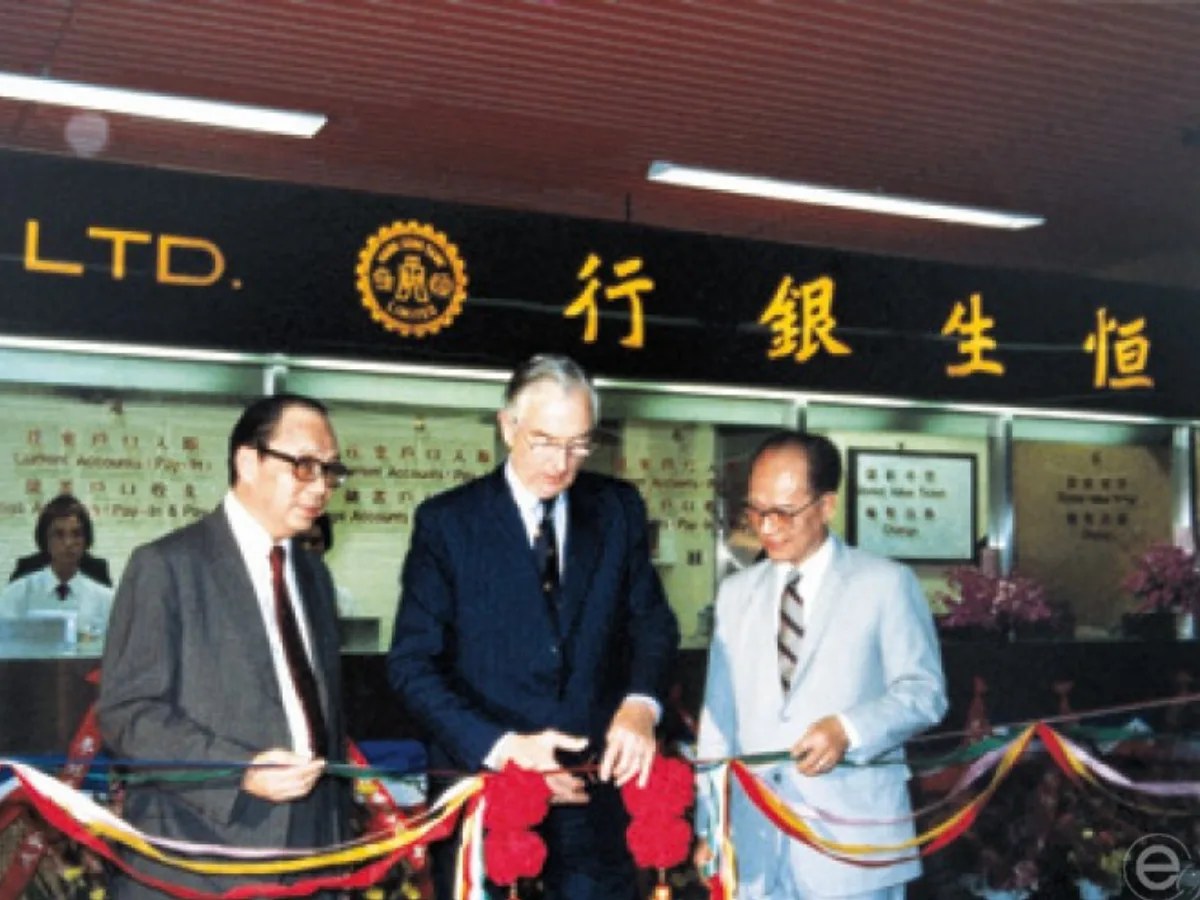
The Hang Seng brand stayed close to the public not only through Hang Seng Bank and the Hang Seng Index: in 1981, Hang Seng Bank obtained the exclusive franchise to open branches in stations along the MTR lines, and this played a great part too. In the era before mobile phones, people would often arrange to meet friends at an MTR station before heading off to shop and eat.
The Hang Seng branches inside MTR stations became the meeting point for countless people. Say “Wong Dei Hang” (旺地恒) or “Tsim Dei Hang” (尖地恒) — the Hang Seng branches at Mong Kok and Tsim Sha Tsui MTR stations — to any friend who rode the MTR regularly in the 1980s and 1990s, and you will surely stir up memories. Crowds would stand waiting outside the Hang Seng branches in MTR stations, and at “Wong Dei Hang” and “Tsim Dei Hang” the throngs were thickest of all — a scene that only disappeared once mobile phones became widespread.
The Hang Seng University of Hong Kong
The history of The Hang Seng University of Hong Kong can be traced back to 1980, when the S. H. Ho Foundation, the Ho Tim Charitable Foundation, Dah Chong Hong, a number of Hang Seng Bank founders and Hang Seng Bank itself generously funded the founding of the Hang Seng School of Commerce, popularly known as “Hang Sheung” (恒商). From 1980 to 2009, the diplomas and associate degrees of the Hang Seng School of Commerce enjoyed a strong reputation in both academia and business.
In 2009 the Hong Kong government signalled that good private universities were becoming ever more important to Hong Kong, and in 2010 the school was restructured as Hang Seng Management College, widely known as “Hang Kwun” (恒管) — until, on 30 October 2018, the Hong Kong government approved its elevation to “The Hang Seng University of Hong Kong”. The university’s logo retains the ancient-coin motif of the Hang Seng Bank logo.
Sources:
https://www.hangsengbank.com.hk/zh-hk/about-us/corporate-information/major-milestones/
https://dch.com.hk/tc/about/history
https://www.hsu.edu.hk/hk/about-hsuhk/introduction/
https://www.hangseng.com/cms/fin/file/statement/ar_2019_full_zh.pdf
https://www.about.hsbc.com.hk/zh-hk/hsbc-in-hong-kong
https://eastweek.my-magazine.me/main/81379
http://nicolewkwan.com/index.php/hang-seng-bank-chinese/ [archived]
The dragon and the crown [electronic resource] : Hong Kong memoirs /Stanley S.K. Kwan with Nicole Kwan
《香港舊事重提》by 江啟明
《香港歷史散步》edited by 丁新豹
《香港走過的道路》by 劉潤和 and 高添強
《香港金融風雲35載》edited by 陳景祥
Published in Sep 2020 by Hong Kong Brand Museum 香港品牌博物館