Swire Hall
Swire Group
The Swire Group has a long history in Hong Kong, having opened a branch here as early as 1870. Today, the MTR has a “Tai Koo” station and supermarkets stock “Taikoo Sugar”, and traces of Swire are easy to find in daily life — “Coca-Cola” and “Cathay Pacific” are both Swire companies, each with many brands of its own. Add shopping malls, hotels, property, motors, retail, food and shipping, and for more than 150 years Swire has reached into every corner of Hong Kong.
Swire brands that became part of Hong Kong life
Daai Gat・Taikoo・Swire
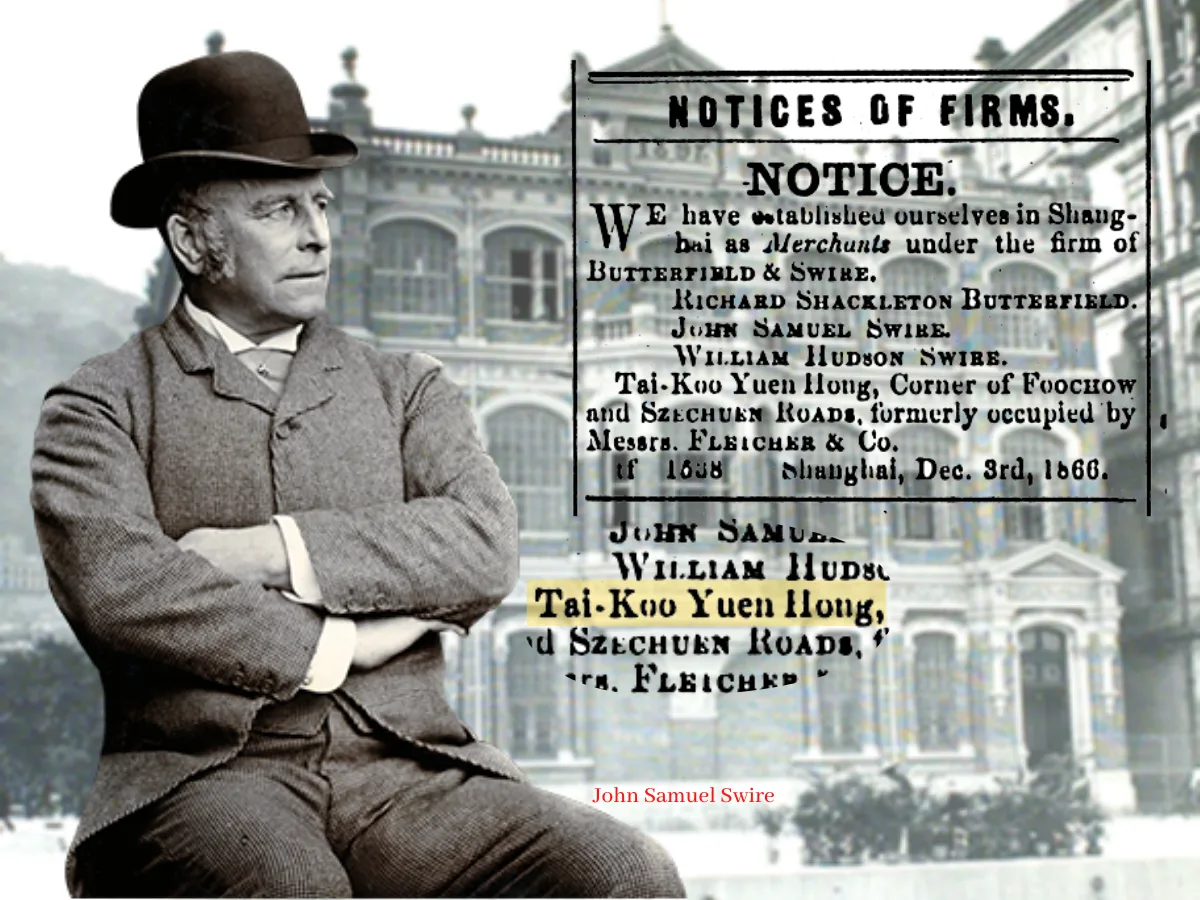
Why Swire’s Chinese name is 太古 (Taikoo) is the subject of many competing stories. The most appealing one has it that founder John Samuel Swire saw the characters 大吉 (daai gat, “great fortune”) written on Chinese lai see (利是, red packets) and lanterns, and back at the office misremembered the strokes and wrote them as 太古.
The official account, however, says that Thomas Taylor Meadows, the British consul in Shanghai and a sinologist by training, deliberately chose the two characters 太古, inspired by the Chinese classics: 太 from 太初 (“the great beginning”) and 古 from 盤古 (Pun Ku, the creator giant of Chinese mythology). Together they suggest “grand and ancient”, and Meadows hoped 太古 would serve as a clever visual pun and bring good fortune to Butterfield & Swire.
Either way, Swire was already using the Chinese name 太古洋行 by 1866, and press notices of the day also carried the transliteration “Tai-Koo Yuen Hong”.
Swire Would Not Sell Opium
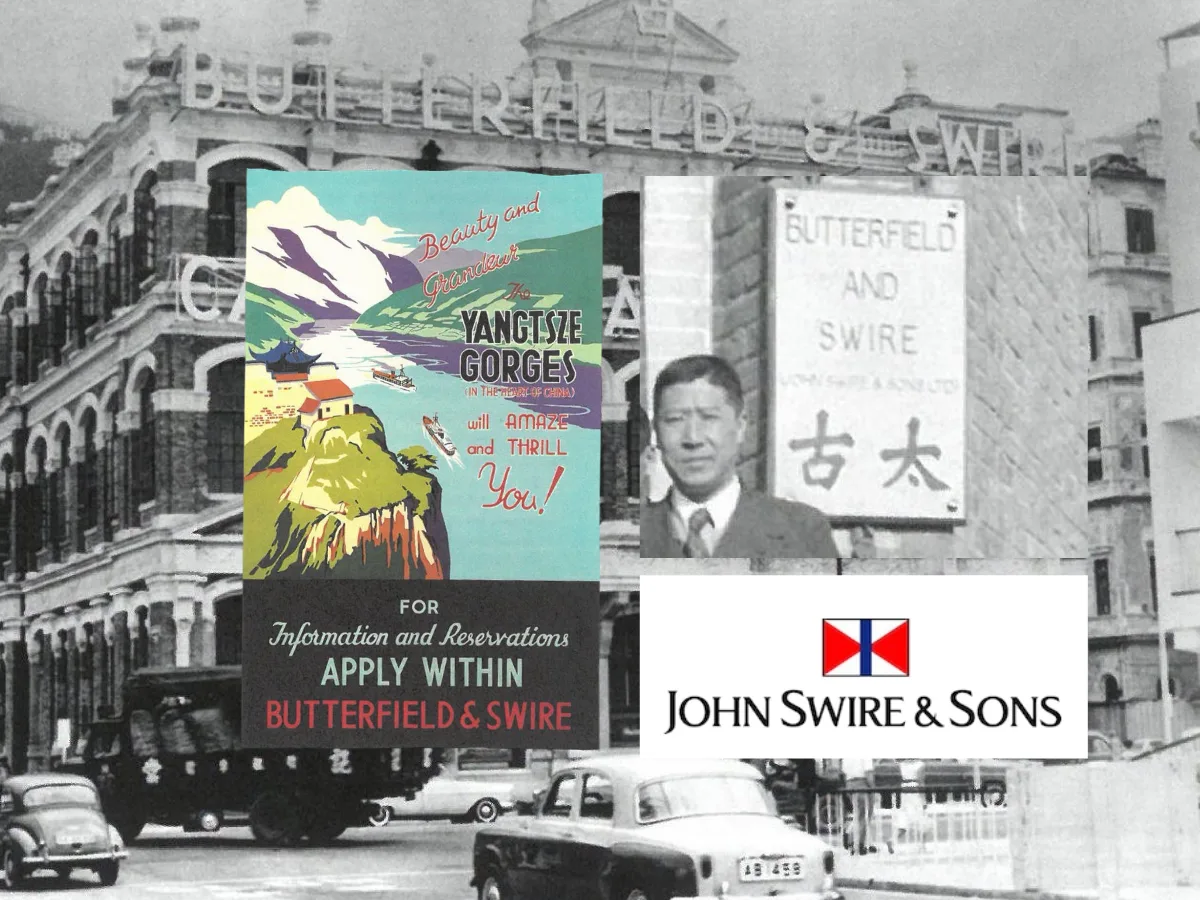
The Swire Group was founded by John Samuel Swire and Richard Shackleton Butterfield, so on its establishment in 1866 the English name was, naturally enough, “Butterfield & Swire”. Only in 1974 did the Hong Kong business adopt the name of its British parent, registering as “John Swire & Sons (H.K.) Limited”.
In fact, Richard Shackleton Butterfield withdrew his shares and left just one year after the firm opened. The story goes that John Swire disagreed with Richard Butterfield’s wish to enter the opium trade — the drug business of its day, and a popular route to riches for British merchants — preferring legitimate lines of business and believing that shady trades could not last.
Yet John Swire’s descendants only removed Butterfield from the company name more than 100 years after Richard Butterfield’s departure.
Taikoo Sugar
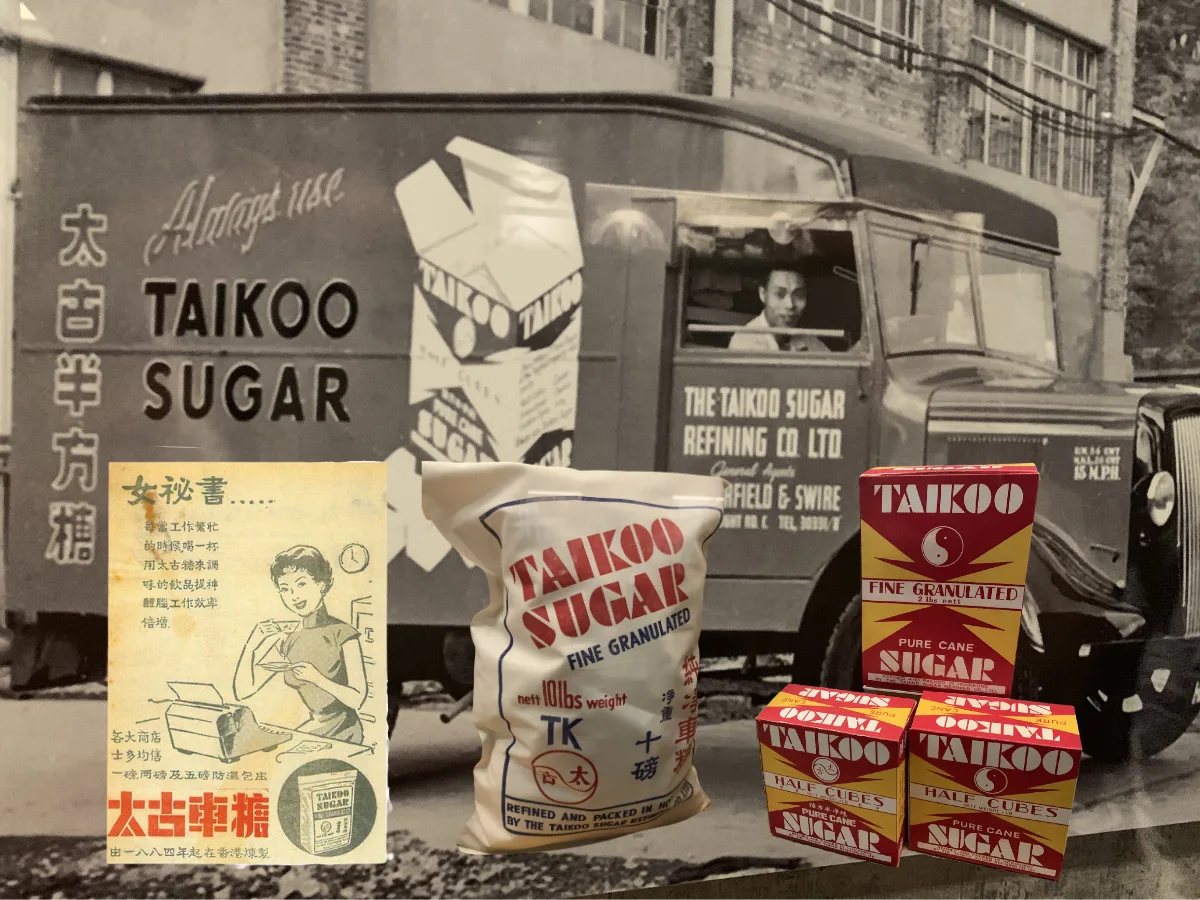
“Taikoo Sugar”, available in supermarkets in a large range of varieties, has a long history: in the final years of the Qing dynasty it held two-thirds of the market in China, a household necessity known to all. As early as 1884, Swire was producing white sugar in Quarry Bay.
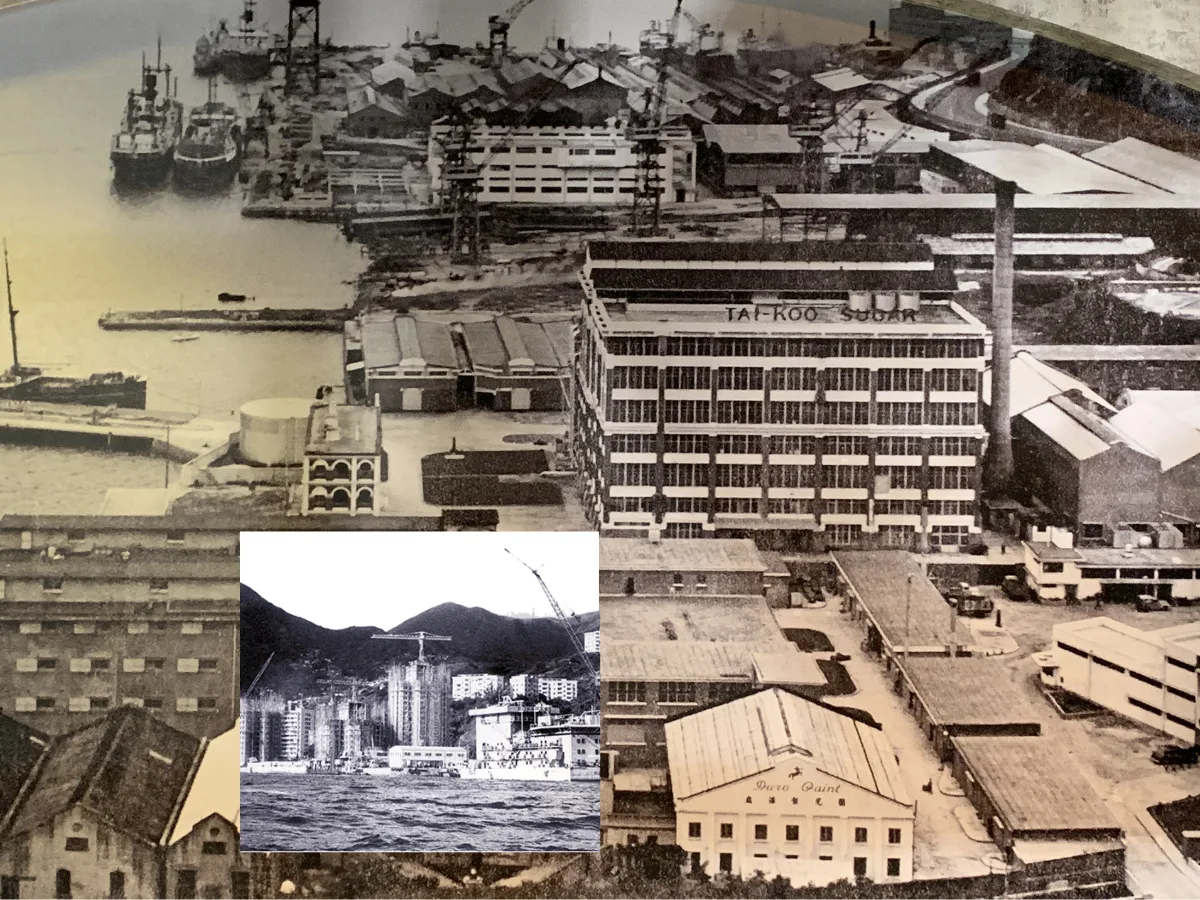
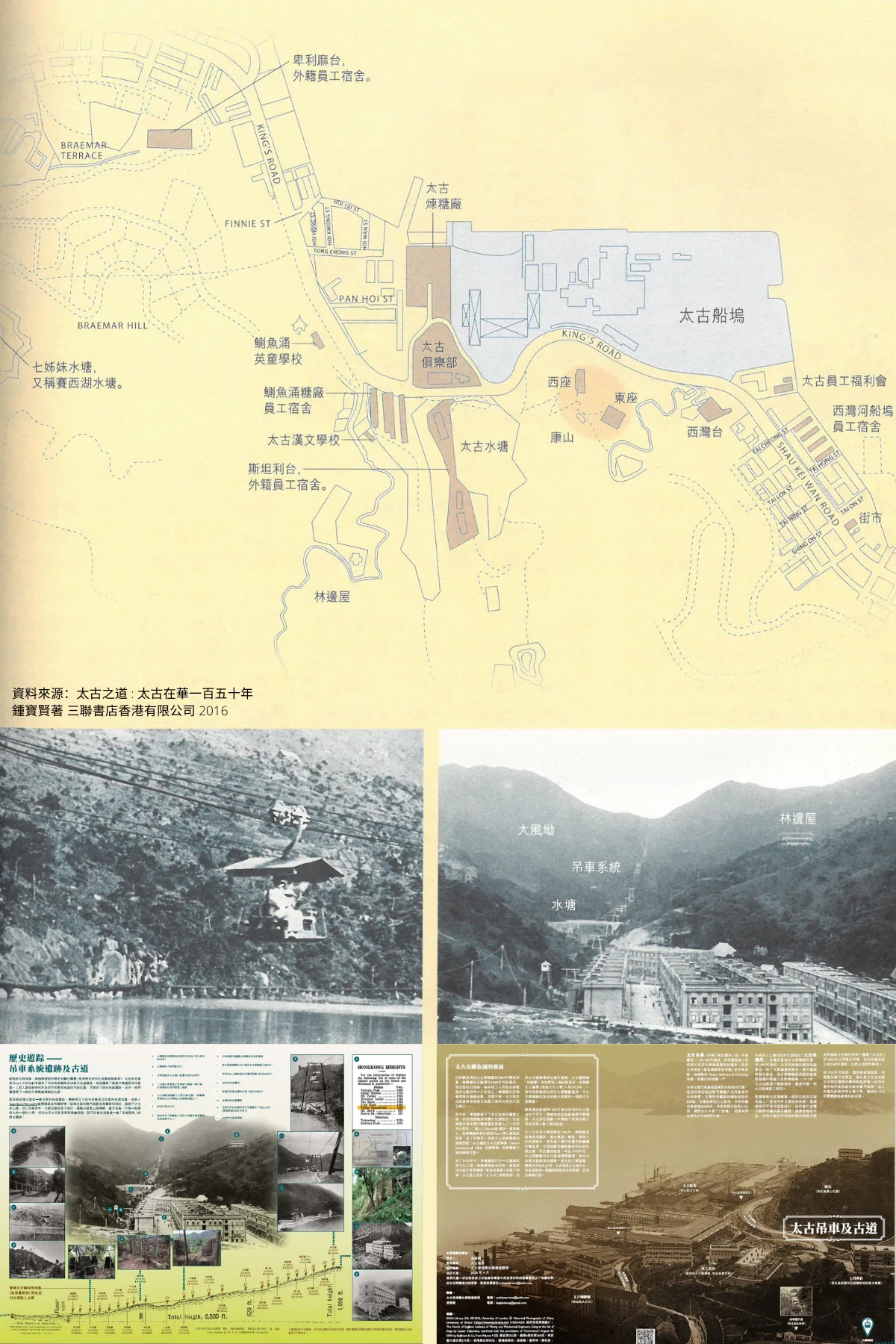
There is a “Sugar Street” in Causeway Bay — that was in fact the site of Hong Kong’s first sugar refinery, operated by Jardine Matheson. The refinery run by Butterfield & Swire was in Quarry Bay: it is “Tong Chong Street” (糖廠街, literally “Sugar Refinery Street”) at today’s Taikoo Place that was named after the Taikoo Sugar Refinery. The refinery was among the first companies in Hong Kong to install electric lighting, and was the most advanced sugar refinery in the world at the time.
Besides Tong Chong Street, Kornhill — where Kornhill Plaza now stands — is also connected to Taikoo Sugar. When the refinery opened it hired many German experts, including its first manager, Dr. Ferdinand Korn. On arriving in Hong Kong, Korn’s senior team moved into detached staff houses on the hill beside the refinery, and the area came to be named Kornhill (康山).
The plant operated until 1972. After demolition it was redeveloped as the Taikoo Trading Estate (太古工商業中心), which in the 1990s was transformed into today’s Taikoo Place.
Taikoo Sugar vs
Meiji Sugar
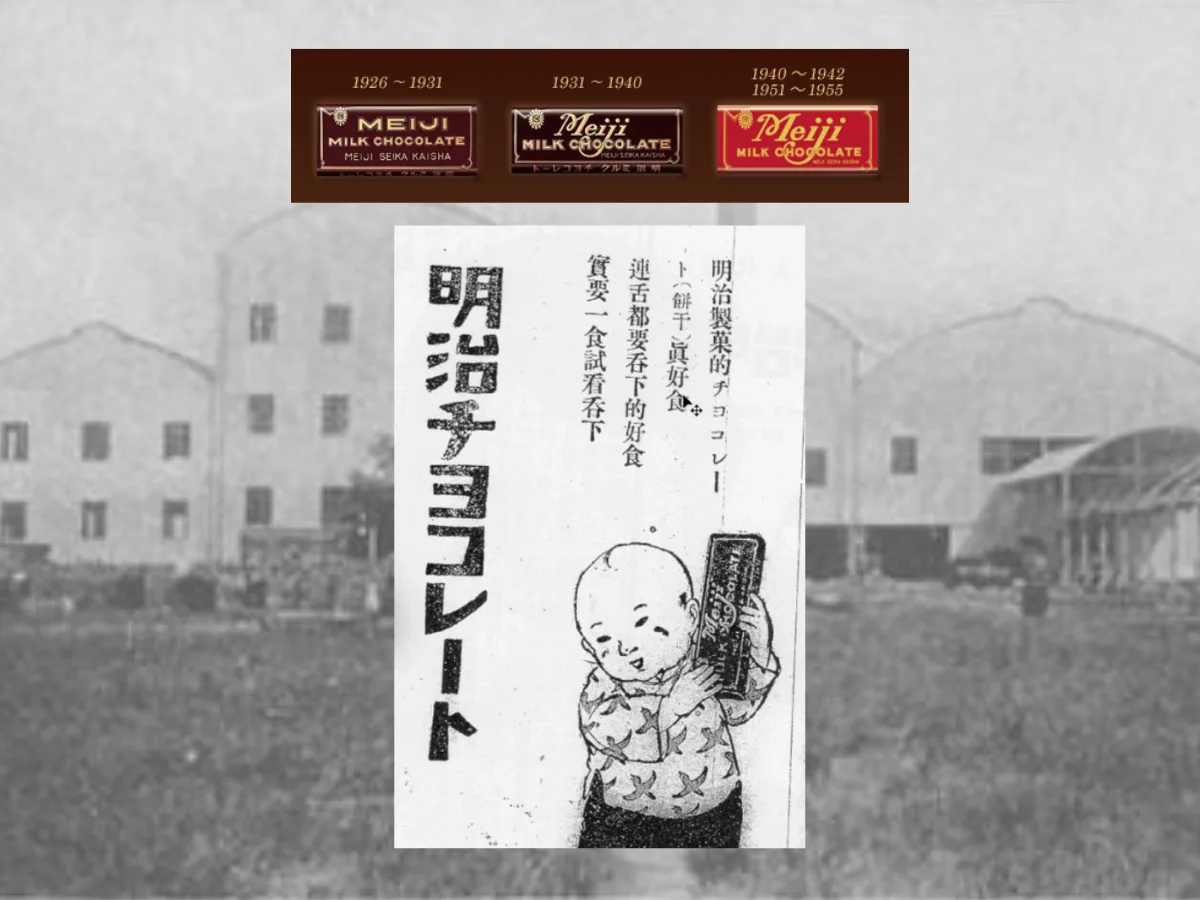
Many Hong Kong people today love buying Japanese-made food, but at the end of the 19th century almost the whole of Japan ate sugar made in Hong Kong. Sugar from Taikoo and from Jardine dominated the Japanese market in a ratio of roughly three to seven. Only after Japan took Taiwan as a colony did they come under challenge in China and Japan from the likes of Meiji Sugar (明治製糖), Taisho Sugar (大正製糖) and Dai-Nippon Sugar (大日本製糖). Meiji Sugar later expanded into Meiji Seika (明治製菓株式會社), whose products include the Meiji chocolate so loved by Hong Kong people.
Taikoo Shing and
Whampoa Garden
Taikoo Sugar has the longer history, but the “Taikoo” brand most often on people’s lips today may well be “Taikoo Shing” (太古城). Taikoo Place at Quarry Bay station stands on the former Taikoo Sugar Refinery, while Taikoo Shing at Tai Koo station stands on the former Taikoo Dockyard. The basement car park of today’s Cityplaza was in fact built on the site of the Taikoo dry dock.
Butterfield & Swire began in shipping. In 1907 it levelled hills and reclaimed land beside the sugar refinery to build the Taikoo Dockyard. The dockyard operated until 1972, when it merged with the Whampoa Dock and moved to Tsing Yi. The Whampoa Dock site was later developed by Hutchison Whampoa into Whampoa Estate and Whampoa Garden.
“Swire Properties” was founded precisely to develop the dockyard and refinery land. Beyond Taikoo Shing, it went on to develop many well-known residential projects in Hong Kong, including Lei King Wan (鯉景灣), Ocean Shores (維景灣畔), Yau Yat Chuen Garden (又一村花園) and Opus (傲璇), as well as commercial projects including Pacific Place (太古廣場), Festival Walk (又一城) and Citygate (東薈城).
Tai On Building (太安樓) in Sai Wan Ho, now famed for its “sou gaai” (掃街, grazing on street snacks) eateries, was originally staff quarters for the Taikoo Dockyard. Swire, adapting to local custom, deliberately named the streets of the quarters area with the character 太 (“Tai”), including Tai On Street, Tai Hong Street and Tai Foo Street. When Hongkong Land later redeveloped the quarters, names such as “Tai On Building” were retained.
Taikoo Primary School and Swire Bridge
Beyond housing, Swire also provided free primary schooling for staff children, opening the “Taikoo Free School” (太古義學) in 1923. There was no proper school building at the time; teachers taught in a small room inside the dockyard. In 1947 it became a government-subsidised primary school, and in 2002 it moved into the King’s Road, Quarry Bay campus of today’s Taikoo Primary School.
Many graduates hoped to follow their parents into the refinery or the dockyard, so Swire ran the “Taikoo Evening School” (太古夜學) to provide apprentice training for graduates.
Swire was also one of the early commercial institutions to fund the University of Hong Kong, paying in 1980 for a hall of residence named Swire Hall (太古堂). Better known still may be the Swire Bridge (太古橋) just outside the hall: after the June Fourth crackdown in Beijing in 1989, students painted on its surface the slogan 「冷血屠城烈士英魂不朽,誓殲豺狼民主星火不滅」 (“The souls of the martyrs of the cold-blooded massacre are immortal; we vow to destroy the jackals — the spark of democracy shall never be extinguished”), repainting it every year, which kept it regularly in the news. Reportedly, after the Hong Kong national security law came into effect, the University of Hong Kong closed off the footpath during the COVID-19 pandemic in 2022, and the painted characters were scrubbed away early that year.
Cathay Pacific・
HAECO・
Swire Travel
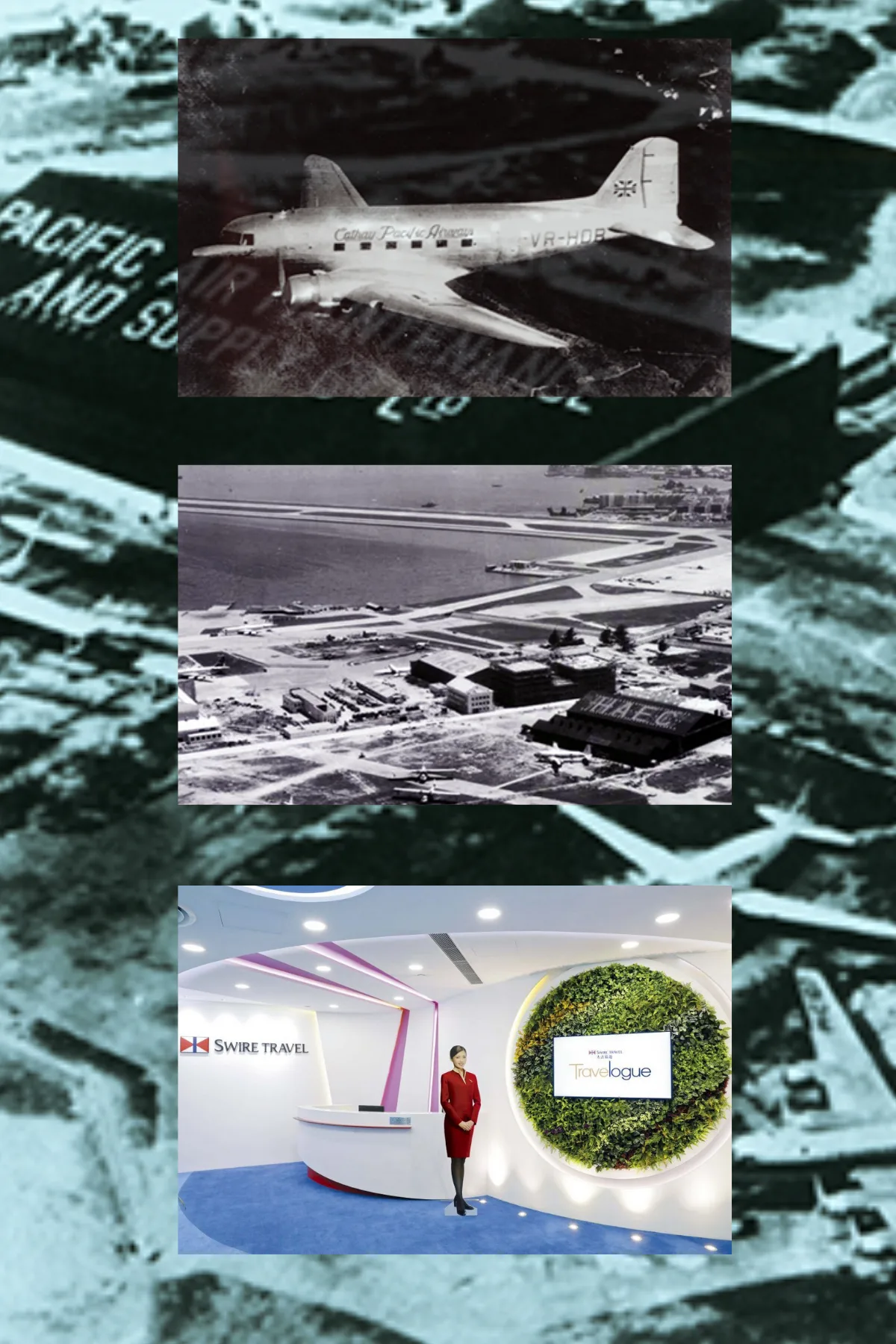
As early as the 1930s, Swire saw promise in aviation and set out to develop passenger and cargo agency and maintenance businesses. After the Second World War, Swire lobbied Australian National Airways (ANA) hard to open an Australia–Hong Kong route, hoping to become its agent for China, Hong Kong and Japan. (ANA was the forerunner of Ansett Australia; after its 2001 bankruptcy the route rights eventually passed to Virgin Australia.)
But the Australian government ultimately awarded the route to Qantas Airways, sinking the grand plan — and kindling Swire’s conviction that it must own a Hong Kong-based airline of its own in order to apply for route rights. In the same period, Swire used the Taikoo Dockyard’s engineering expertise to build an aircraft repair and maintenance company at Kai Tak Airport, which later merged to form today’s Hong Kong Aircraft Engineering Company (HAECO).
In 1948, Swire — through Butterfield & Swire and the China Navigation Company (太古輪船公司) — acquired a 45% stake in Cathay Pacific, with Australia’s ANA taking 35%, together holding 80%. Drawing on China Navigation’s reputation and market position, Swire built Cathay into a highly competitive regional airline.
After taking its stake in Cathay, Swire formally became its ticketing agent. The same year saw the founding of “Swire Travel”, Hong Kong’s first officially registered travel agency (licence number 350001); it was sold to a mainland Chinese group in 2017 and renamed Chuen Lui Tat (全旅達). As for the passenger shipping business of China Navigation — where Swire had begun more than a century earlier — it ended in 1990.
In the 1950s Cathay absorbed the routes of Jardine-operated Hong Kong Airways, and around the 1997 handover it acquired Dragonair, Air Hong Kong (華民航空) and HK Express, becoming over the years the airline most identified with Hong Kong.
(Please read the Cathay Pacific Hall and the Dragonair Hall for more of these brand stories.)
Taikoo Sugar begets
“Swire Coca-Cola”
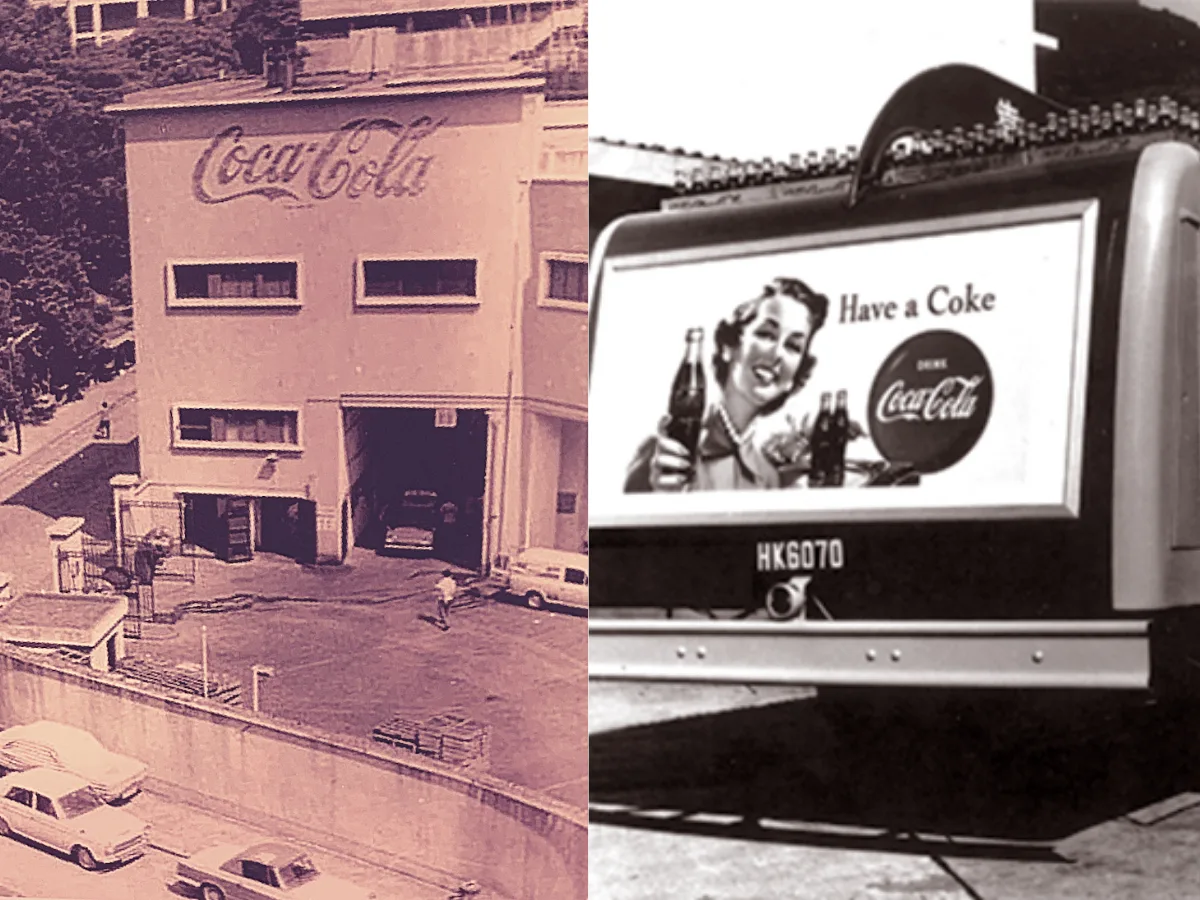
After the Second World War, as Swire’s transport business shifted from ships to aircraft, its other founding trade, Taikoo Sugar, likewise faced new challenges. As economies took off worldwide in the 1960s and 70s, Taikoo Sugar ran up against protectionist high tariffs everywhere. In 1948, an American company had taken a fancy to the Taikoo Sugar Refinery site — it offered both sugar and water from the Taikoo reservoirs on the hill above — and leased the premises to open Hong Kong Bottlers (香港汽水廠), licensed by the Coca-Cola Company of the United States to produce and sell in Hong Kong.
In 1965, when the head of Hong Kong Bottlers retired, Swire bought the plant, renaming it Swire Bottlers in 1974. Today Swire Coca-Cola is one of the largest Coca-Cola bottlers in the world, with franchises covering Hong Kong, Taiwan, 12 provinces and municipalities of mainland China, and the western United States.
(Please read the Swire Coca-Cola Hall for more of the brand story.)
A Taikoo history walk in the Eastern District
To get a feel for Taikoo history, start from Tai Koo station. Make your first stop outside Cityplaza to see the Taikoo Dockyard completion memorial stone on Tai Fung Avenue. You can also head into Cityplaza’s basement car park to soak in the atmosphere of the old Taikoo dry dock.
Then walk towards Sai Wan Ho to Tai On Building, the site of the former staff quarters, now home to countless snack shops. Once you have eaten your fill, take a westbound tram to Taikoo Place, where Tong Chong Street remains — though the Taikoo Sugar Refinery has given way to clusters of new office towers.
The refinery is gone, but the Taikoo style lives on: in the architectural character of the various office buildings, in towers named after English places, in the ArtisTree arts venue — and there is the occasional Bazaar too. Follow the tram line towards Kornhill and you will pass the former sugar-refinery workers’ quarters, now the site of Montane Mansion (海山樓), a favourite spot for online photo pilgrimages.
For a physical challenge, take Hong Pak Path behind Nam Fung Sun Chuen up the old trail in search of the remains of the Taikoo ropeway. The Taikoo ropeway was Hong Kong’s first cable-car system: steam-powered, with two open six-seat cars, it carried expatriate staff — who lived uphill to escape the summer heat — to and from the refinery.
On the way back, to let the Taikoo history sink in, sit a while at EAST (東隅), the Swire-run hotel beside Cityplaza. It has a bar named Sugar, said to be a nod to the refinery. Tai Koo station is right next to EAST — very convenient.
Before you leave, take a moment to admire the concourse of Tai Koo station. It was carved out of a granite stratum and is supported by an arched structure, so the concourse is broad and column-free. When it was built in the 1980s, it was the largest artificial rock-cavern station concourse in Southeast Asia.
Note: Swire’s 「信望香港 信望未來」 (“Faith in Hong Kong, Faith in the Future”) exhibition
Website: https://www.swire.com/tc/community/exhibition.php
For enquiries, please email exhibition@jsshk.com
Sources:
China bound : John Swire & Sons and its world, 1816-1980
Robert Bickers
London : Bloomsbury 2020
太古之道 : 太古在華一百五十年 (The Taikoo Way: 150 years of Swire in China)
鍾寶賢 (Chung Po-yin)
香港第一版 香港 : 三聯書店 香港有限公司 2016
洋行之王 : 怡和 (King of the Hongs: Jardine)
劉詩平 (Liu Shiping)
三聯書店香港有限公司 2010
香港走過的道路 (The Road Hong Kong Has Travelled)
劉潤和、高添強 (Lau Yun-wo and Ko Tim-keung)
香港增訂版 香港 : 三聯書店香港有限公司 2013
香港商戰風雲錄 (Chronicles of Hong Kong’s Business Wars)
藍潮 (Lam Chiu)
初版 香港 : 名流出版社 1997
https://www.swire.com/ourjourney/desktop/tc/index.html
http://www.swirehall.hkusu.hku.hk/FM/History.html
http://www.tps.edu.hk/
https://www.taikooplace.com/zh-hk/whatson/the-mag/historicalhotspots
https://www.facebook.com/%E5%A4%AA%E5%8F%A4%E5%90%8A%E8%BB%8A%E5%B0%8E%E8%B3%9E%E5%9C%98-110725100326888/
https://www.gjtaiwan.com/new/?p=20159
https://news.now.com/home/local/player?newsId=99592
First published in Sep 2020 by Hong Kong Brand Museum 香港品牌博物館
Updated in Mar 2022.