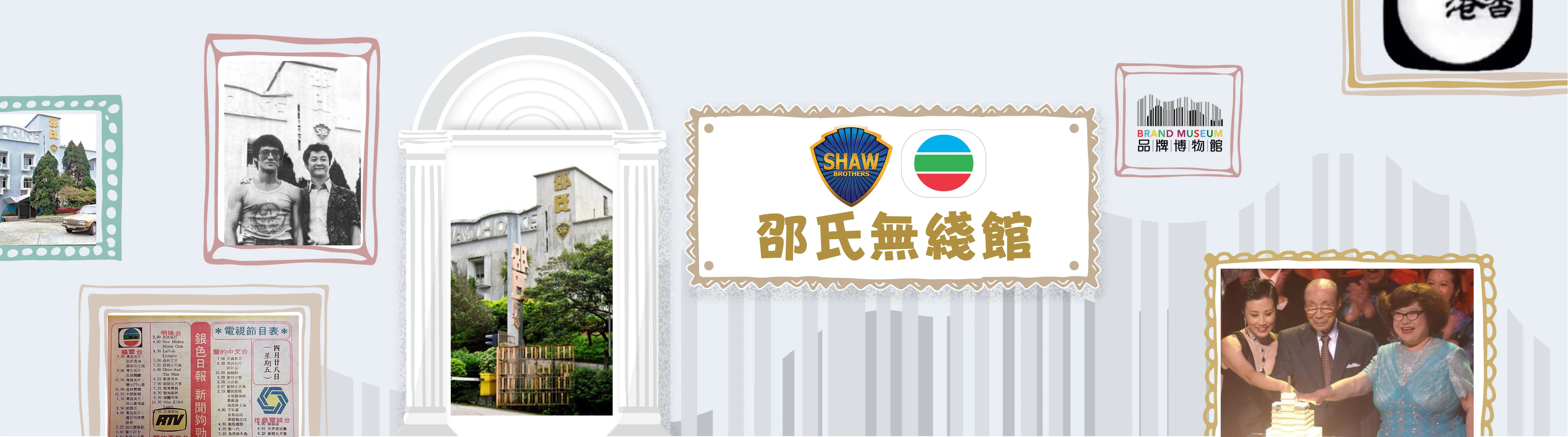
Shaw Brothers & TVB Hall
Shaw Brothers and TVB
Hong Kong’s former international renown rested not only on its status as a British colony: the Chinese-language film and television culture it exported played a vital role. Shaw Brothers, and TVB which followed, long held the leading position — not only mirroring the development of Hong Kong’s film and television industries, but creating cultural assets treasured by generations of Hong Kong people.
Shaw Brothers, TVB and the History of Hong Kong Film and Television
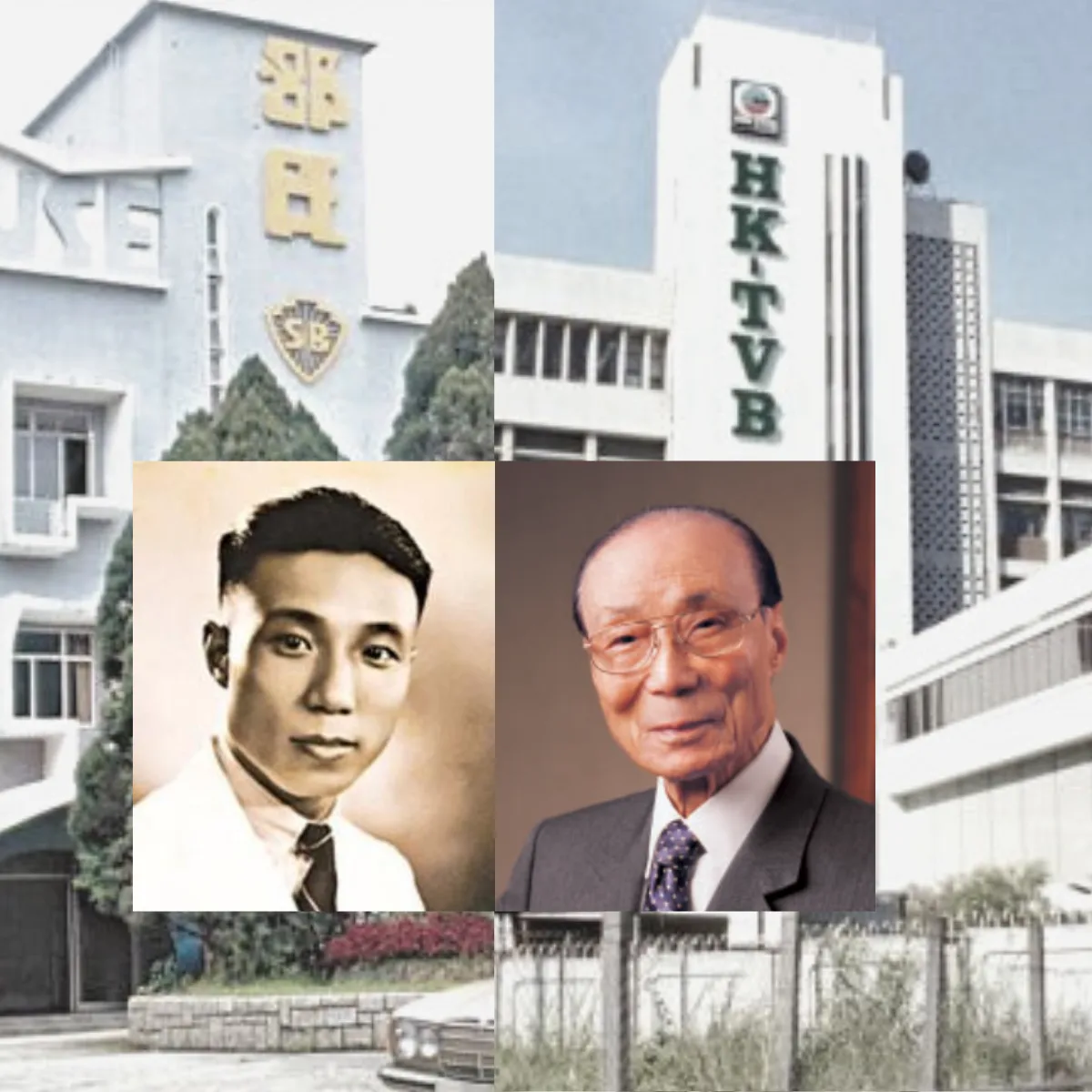
Hong Kong’s Screen Mogul
Sir Run Run Shaw 邵逸夫爵士
In the early 1960s, Hong Kong’s film industry flourished and many film companies were riding high; Shaw Brothers alone produced over a thousand films in the space of thirty years — an astonishing output. Hong Kong cinema would later be hailed as the “Hollywood of the East”, and its outstanding stars and filmmakers are truly too numerous to count.
Besides Sir Run Run Shaw, the founder of Shaw Brothers, the familiar names include Bruce Lee, Jackie Chan, Chow Yun-fat, Stephen Chow, Leslie Cheung, Anita Mui and Tony Leung Chiu-wai. All of these figures who lit up the film world appeared on TVB, the television station Shaw co-founded — and some of them began their careers there.
From the 1970s, as colour television spread, Sir Run Run Shaw’s focus shifted from Shaw Brothers to TVB. Television culture reached every level of society and TVB’s influence became immense, while its leader Sir Run Run Shaw became the helmsman of Hong Kong television and an eminent educational philanthropist — to this day, the name Run Run Shaw (邵逸夫) can be found across Hong Kong’s universities.
As for why Run Run Shaw’s English name is “Run Run”, press reports have gathered several possibilities. One is that in his early years he ran about everywhere carrying reels of film for his business, hence “Run Run”. The press has also cited the version Shaw himself gave in James Wong’s 《數風雲人物》 (a series profiling notable figures): “I was working as an office boy, and the boss would often wave and call me over: ‘Run! Run!’ And so my English name became Run Run.” It has also been said the name derives from a transliteration of his original name, 邵仁楞.
A Shaw Production Is Bound to Be Good
Shaw Brothers (Hong Kong) Limited
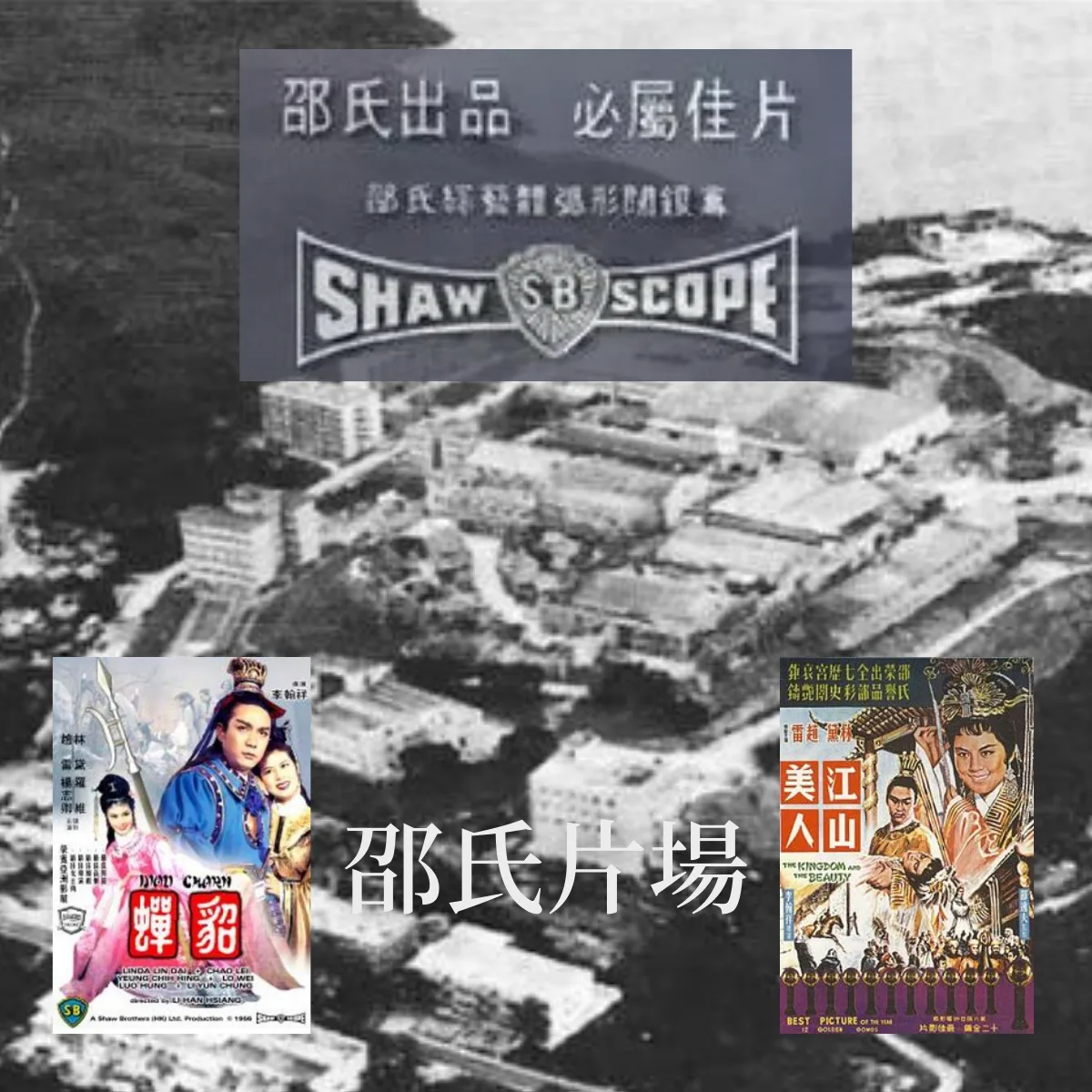
Sir Run Run Shaw, widely known as “Sixth Uncle” (六叔), founded Shaw Brothers (Hong Kong) Limited in Hong Kong in 1958 with his third brother Runme Shaw, to make films locally. He recruited Raymond Chow — the future doyen of Hong Kong cinema and founder of Golden Harvest — as his right-hand man, and bought land on the Clear Water Bay peninsula to build the Shaw studio complex.
From the moment it was founded, Shaw Brothers courted audiences under the banner “A Shaw production is bound to be a good one” (邵氏出品,必屬佳品), attracting renowned directors such as Chang Cheh and King Hu. The local film industry was not yet well developed, but when the mainland Huangmei opera film 《天仙配》 (Tian Xian Pei) caused a sensation on its Hong Kong release, Run Run Shaw sensed opportunity and entrusted director Li Han-hsiang with a string of much-loved Huangmei-tune films — Diau Charn (1958), The Kingdom and the Beauty (1959) and The Love Eterne (1963) among them — and business went from strength to strength.
With their fresh style and consistent quality, Shaw’s early productions propelled the company’s rapid rise into one of Asia’s most important centres of Chinese-language filmmaking. Hong Kong cinema by then rivalled Western technical standards; Shaw and its fellow studios opened a new cinematic era for Hong Kong and built it a vast cultural industry.
The Movie Wars
Shaw Brothers versus MP&GI
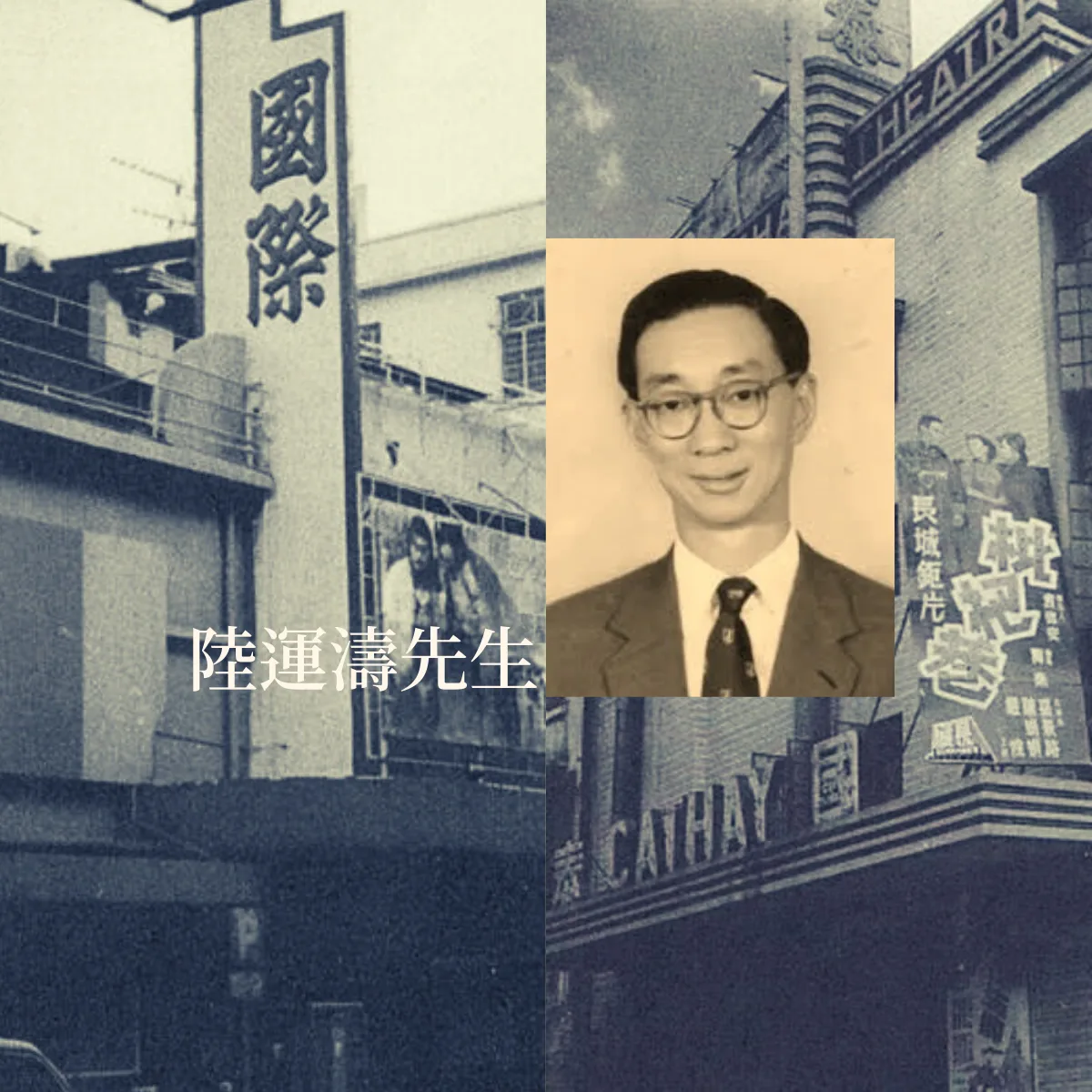
A market dominated by a single player is hard to break into, and the rise of Hong Kong cinema was no exception. The fierce rivalry between Motion Picture & General Investment Co. Ltd. (電懋, MP&GI) and Shaw Brothers can be called the driving force behind Hong Kong cinema’s take-off. MP&GI was the leader in Mandarin-language film production in 1950s Hong Kong; Sun, Moon and Star 《星星月亮太陽》 and 《啼笑姻緣》 (Fate in Tears and Laughter) were works of real quality.
To take on MP&GI, Shaw developed a whole range of genres to win over audiences: romantic dramas, musicals, costume palace films, Huangmei-tune films, wuxia action films, horror and comedy.
The fierce competition between Shaw and MP&GI only came to an end in 1964, when MP&GI’s chief Loke Wan Tho and several senior executives tragically died in an air crash. MP&GI was later renamed Cathay Organisation (Hong Kong) (1965) Limited; its studio changed hands to Golden Harvest in the 1970s, and its film distribution and cinema businesses closed in the 1990s.
In just the first two or three decades after its founding, Shaw Brothers turned out more than eight hundred films, with annual output reaching twenty to over forty titles. This enormous yearly production rested on Shaw’s adoption of the Hollywood studio system — building its own movie town outright and handling everything from management and production to training, publicity and distribution. Shaw’s glittering record began to slide from the mid-1970s; some say it failed to adapt to a rapidly changing, localising market.
The Shaw Studio Reborn
TVB
By the 1970s, the film market was much diminished, whereas the television audience had reached nearly three million by mid-decade. By the late 1970s, average prime-time ratings stood at 60 points — meaning six people in every ten spent their evenings watching television.
In 1967, Run Run Shaw of Shaw Brothers, Lee Hsiao-wo (利孝和) of Hysan, Eu King-wai (余經緯) of Eu Yan Sang and Sir Douglas Clague of Hutchison, among others, together founded TVB. In the early 1970s, TVB ran its production on the studio model, and Shaw joined TVB in founding the Film and Television Actors Training Centre, which trained many stars, such as Alexander Fu Sheng and Danny Lee.
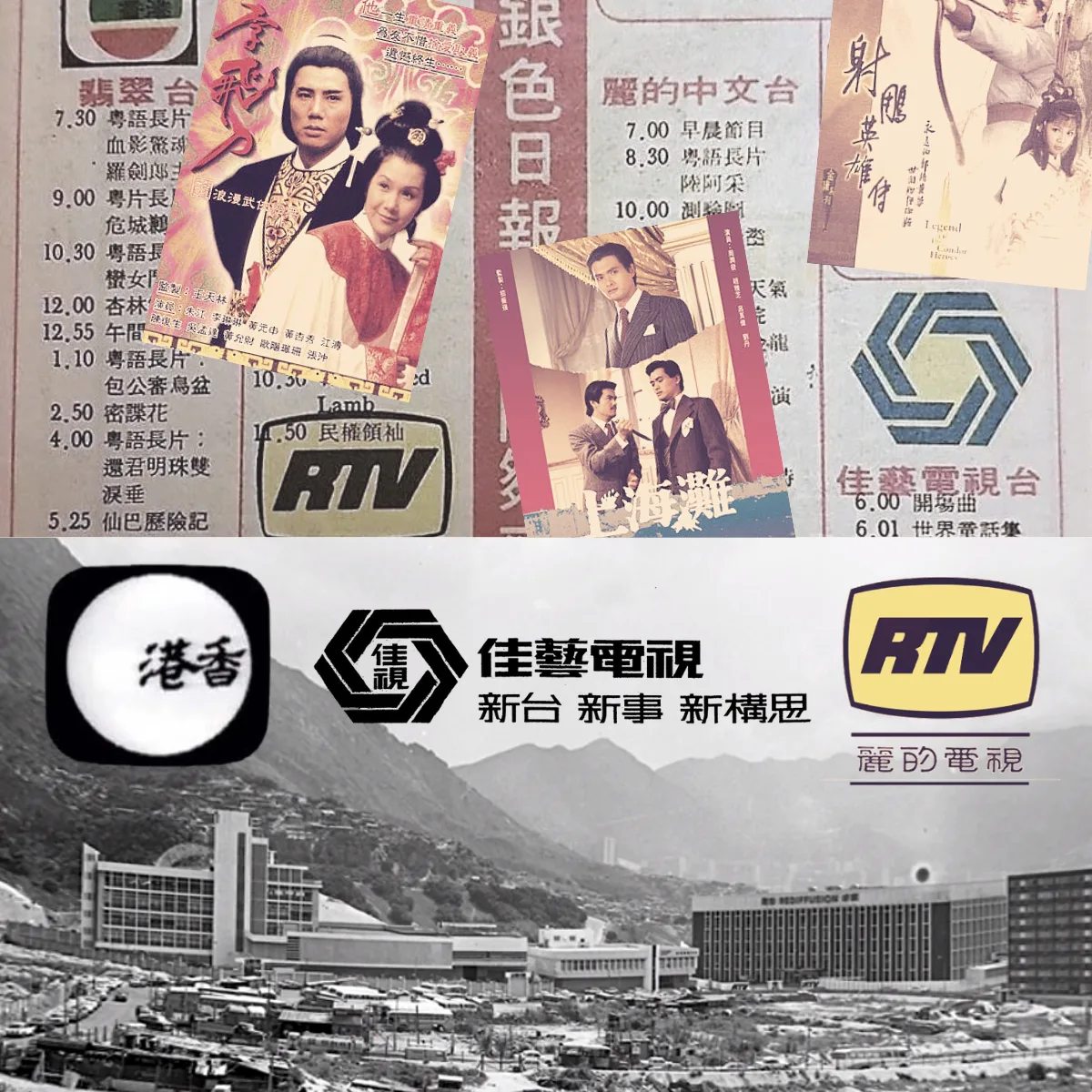
In 1980, Run Run Shaw took the chairmanship of TVB’s board, and duly rented Shaw’s sound stages to TVB, enabling production-line making and broadcasting of all manner of television programmes and dramas. TVB’s competition with Rediffusion Television (RTV) and Commercial Television (CTV) resolved itself in the late 1970s, and TVB went on to dominate Hong Kong television for nearly 40 years, losing its leading position only in recent years.
Beyond CTV’s collapse, the turning points in that competition were runaway hits: The Romantic Swordsman 《小李飛刀》 in 1978, The Good, the Bad and the Ugly 《網中人》 and The Bund 《上海灘》 in 1979, and 1980s wuxia serials such as The Legend of the Condor Heroes 《射雕英雄傳》 — as if the fading craft of filmmaking had migrated to the television platform and been reborn. Shaw’s film output gradually dwindled, but its production-line methods and star-making system passed to the television industry — a veritable reprint of the Shaw studio.
Indeed, from the 1970s film financing and production began to separate. Golden Harvest adopted this model, keeping no studio of its own; filmmakers enjoyed far greater creative freedom, thoroughly transforming the old studio system’s assembly-line methods and their problems. More than 40 years ago, Shaw’s move into TVB carried Run Run Shaw’s screen empire forward. The same phenomenon appeared in the television market 40-odd years later — and with the online video industry growing at speed, TVB has yet to find a new track by which, as Run Run Shaw once did, it might carry its screen leadership forward.
TVB Exports Hong Kong Culture
Miss Hong Kong and overseas distribution
TVB’s glory days can be read in its programme ratings of the early 1980s: the highest-rated drama of 1983, The Return of the Condor Heroes 《神鵰俠侶》, achieved a rating of 62 points — that is, 62% of Hong Kong’s entire television-watching population (generally defined as residents aged four and above); even the lowest-rated drama, 《三相逢》, scored 47.
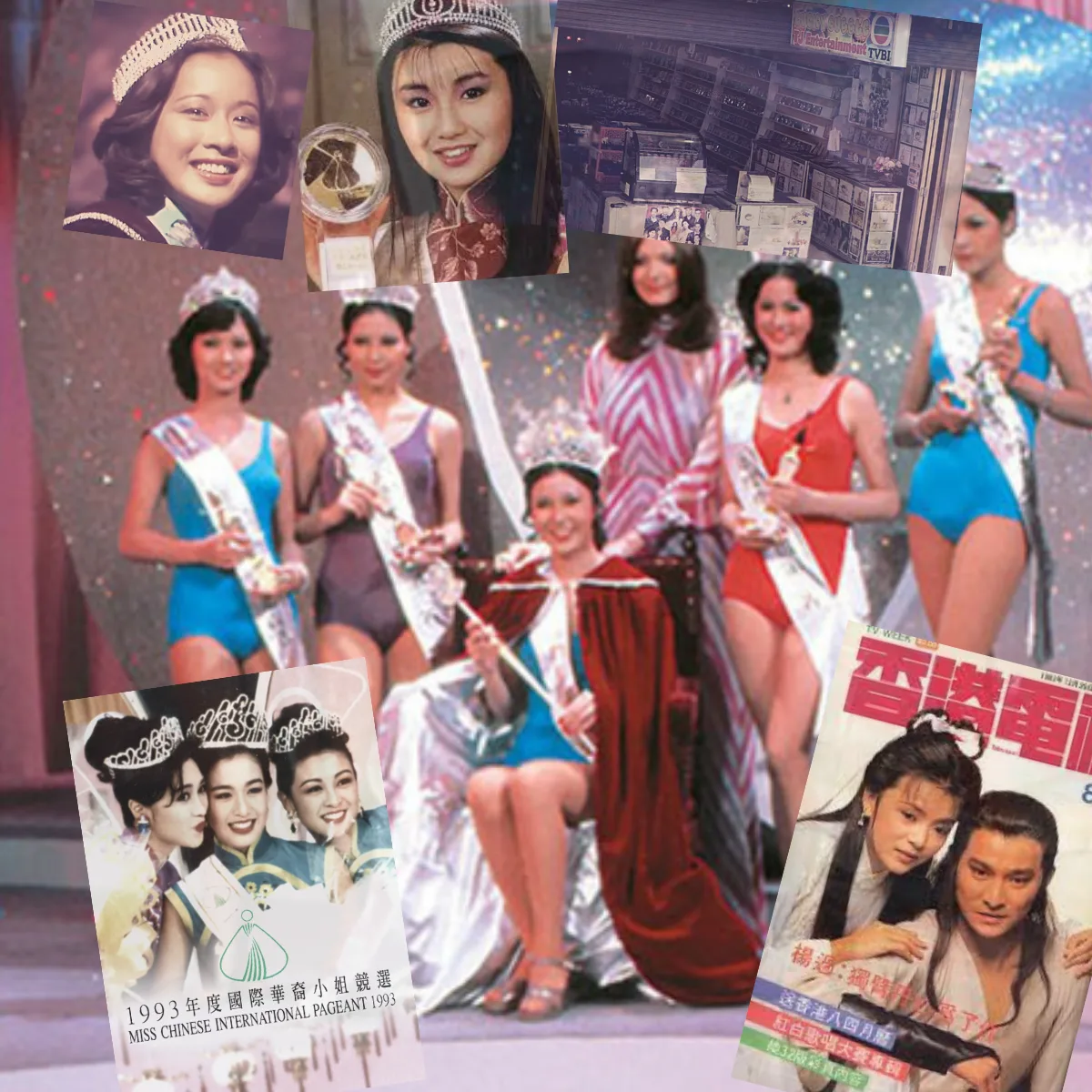
The final of Miss Hong Kong, the strongest brand TVB ever built, reached fully 70 points in 1984 — higher even than that year’s station anniversary gala at 60 points. Many viewers will remember Miss Hong Kong contestants each year escorting Run Run Shaw — respectfully addressed as “Sixth Uncle” — into the venue. In recent years the popular programmes of ViuTV have mostly hovered around 6 points, showing just how great television’s influence once was.
The rise of TVB and the television industry also propelled the entire advertising business and commercial promotion. TVB’s income was naturally handsome: it reportedly broke even by the end of 1969, just two years after launch. In 1976, TVB began distributing its programmes to overseas markets, then extended its reach wherever Chinese communities were large — from videotape rental, to operating local cable and satellite channels, to online streaming in recent years.
TVB’s Miss Hong Kong pageant also long sent its winners to represent Hong Kong in international competitions. It later organised local Chinese pageants in markets around the world, with winners coming to Hong Kong for the finals. Though TVB is a commercial organisation, its productions and their reach made it function almost as Hong Kong’s official broadcaster.
TVB’s business spans more than 30 countries around the world; though its overseas income has always been far below Hong Kong’s, its programmes’ influence runs deep. Before the internet, Hong Kong people overseas kept up their emotional bond with Hong Kong almost entirely by watching TVB programmes, which also gave them common ground with family and friends back home.
Moreover, TVB dubbed its Hong Kong-made programmes into Mandarin, Thai, Vietnamese and other languages and sold them to broadcasters across Southeast Asia. In the heyday of the 1980s and 1990s, TVB’s dramas were hugely popular across Chinese-speaking communities and Southeast Asia; their actors, characters, plots and dialogue all became elements of popular fashion.
TVB takes the lead over Shaw
The evolution of TVB and Shaw genuinely mirrors the transformation of Hong Kong’s screen industries. Shaw Brothers, once the commanding force of the film world, not only rented its sound stages to TVB as television entertainment surged; in recent years even its film work has been led by television drama. Many productions are simply made jointly with TVB, giving the impression that film has become a by-product of the television serial.
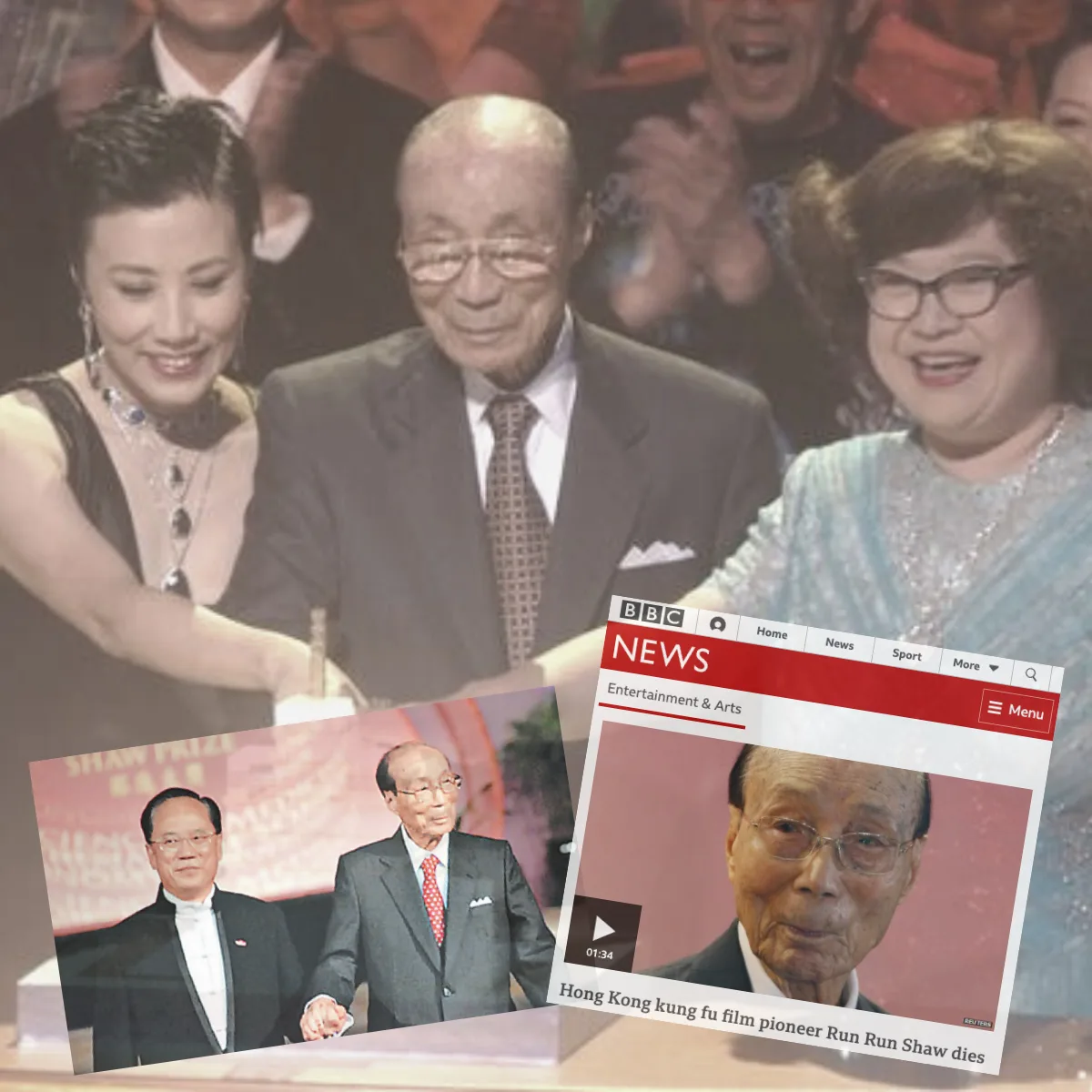
In the 1970s, audiences’ entertainment habits shifted from film to television, and Shaw’s successful “landing” at TVB carried the standing and influence of the screen empire onward. Run Run Shaw became TVB’s board chairman in 1980 and its emblematic figure. Not until 1 January 2010, at the venerable age of 102, did he step down as executive chairman of Television Broadcasts Limited — the world’s longest-lived and longest-serving chairman of a listed company.
Sir Run Run Shaw, founder of Shaw Brothers and helmsman of TVB for decades, died in 2014 at the age of 106 — marking, too, the end of the golden age of Shaw and TVB.
In recent years the internet has replaced television as the entertainment on which most viewers spend the most time; TVB, it seems, has yet to remake itself as Shaw once so successfully did, to carry the screen empire’s standing forward. TVB has also faced public doubts over its news editorial line, prompting a netizens’ campaign calling on advertisers to boycott the station — directly hurting its results and sending its share price down year after year. Looking back at the TVB of Run Run Shaw’s era feels like gazing at another age: “Shaw Brothers” and “TVB” survive in name, but they have become brands that Hong Kong people can only remember together, from a distance.
Hong Kong Film Archive
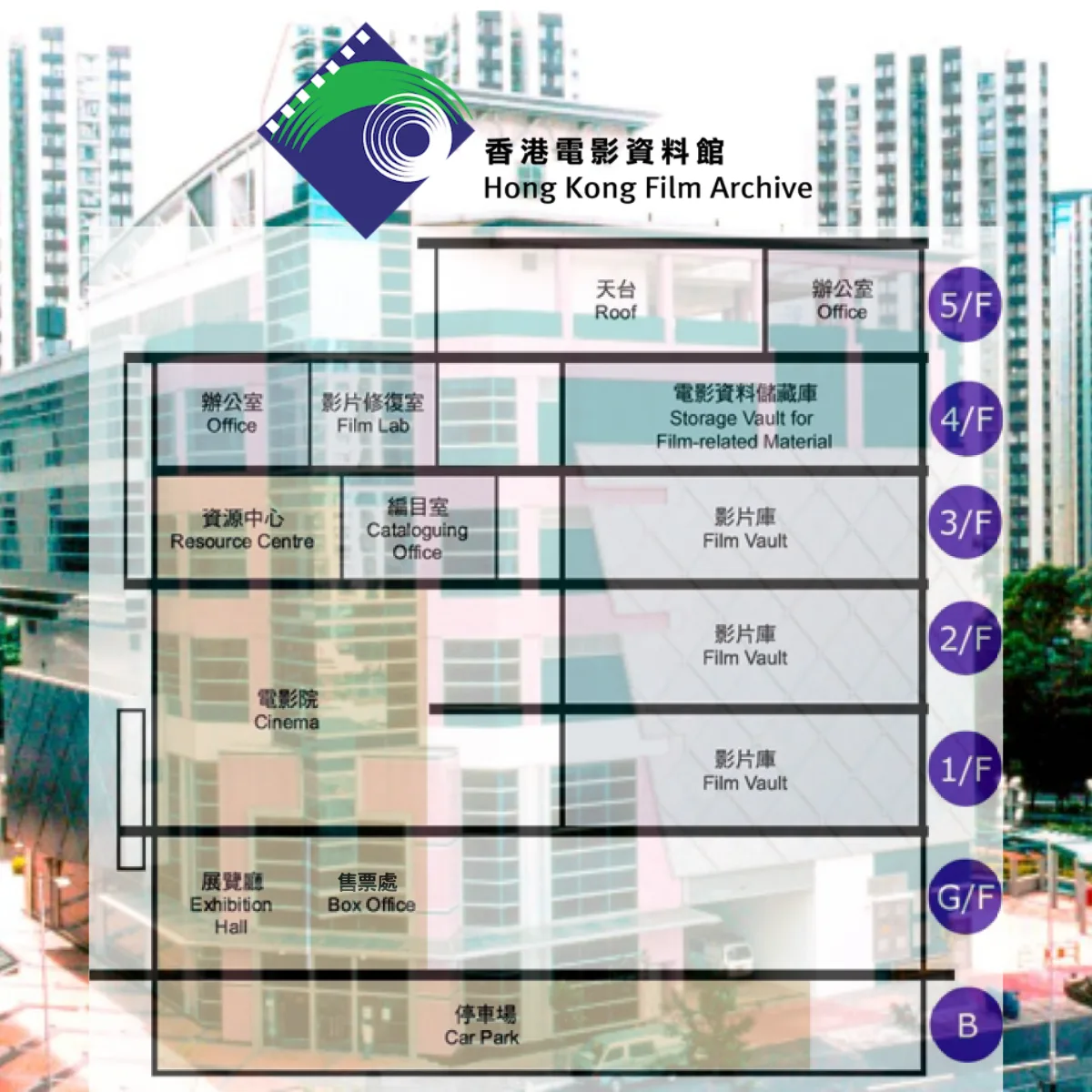
If you would like to explore the glorious past of Hong Kong cinema, visit the Hong Kong Film Archive. Time magazine has described the Archive as the greatest treasure house of the visual arts in Hong Kong — indeed in Asia — and listed it among 25 “Asian experiences no visitor should miss”. The Archive regularly holds film screenings, exhibitions and seminars, and publishes books on special topics. For details see:
Hong Kong Film Archive
Address: 50 Lei King Road, Sai Wan Ho
Opening hours: Monday and Wednesday to Sunday: 10am–8pm; Christmas Eve and Lunar New Year’s Eve: 10am–5pm; closed on Tuesdays (except public holidays) and the first two days of the Lunar New Year
Sources:
Shaw Brothers International Pictures (邵氏兄弟國際影業有限公司)
https://www.shawbrothers.hk/zh-hk/about-us
http://shawbrotherspictures.com/tc/releases.php
《香港史新編》 (Hong Kong History: New Perspectives), Vols. 1–2, edited by Wang Gungwu (王賡武)
Hong Kong : Joint Publishing (Hong Kong) 1997
電視戰國時代 (The Warring States Era of Television)
By Eric Ma Kit-wai (馬傑偉)
First edition, Hong Kong : Subculture Ltd : distributed by Lee Yuen Book Co. 1992
李雪廬回憶錄 : 廣告及電視先鋒 (Memoirs of 李雪廬: A Pioneer of Advertising and Television)
/By 李雪廬
First Hong Kong edition, Hong Kong : Joint Publishing (Hong Kong) December 2010
光影裏的浪花:香港電影脈絡回憶 (Waves in the Light and Shadow: Memories of Hong Kong Cinema’s Lineage)
By Wei Junzi (魏君子)
Chung Hwa Book Company (Hong Kong) May 2019
https://www.bbc.com/news/av/entertainment-arts-25644774
邵氏已沒落?(Has Shaw Declined?), Hong Kong Film Critics Society review archive
經貿透視雙周刊 (Trade Insight biweekly) no. 498, Taiwan External Trade Development Council
https://books.google.com.hk/books?id=2NBmDwAAQBAJ&pg=PA20&dq=%E5%A8%9B%E8%97%9D%E9%99%A2%E7%B7%9A&hl=en&sa=X&ved=2ahUKEwiF8IGG1rDvAhUHfd4KHVkNCzQQ6AEwCXoECAYQAg#v=onepage&q&f=false
香港1989年 (Hong Kong 1989), Chinese Language Division, Government Secretariat
《香港電影》 (Hong Kong Cinema), 蔡仲樑, Cultural Studies@Lingnan (Issue 29, June 2012)
https://www.ln.edu.hk/mcsln/archive/29th_issue/key_concept_01.shtml
香港影片大全第六卷(1965-1969) (Hong Kong Filmography Vol. VI, 1965–1969), Hong Kong Film Archive
https://www.lcsd.gov.hk/CE/CulturalService/HKFA/zh_TW/web/hkfa/rp-hk-filmography-series-7-2.html
邵氏電影 (Shaw Brothers Movies), Hong Kong Memory
https://www.hkmemory.hk/MHK/collections/shaw_brothers_movies/actor_and_actress/introduction/index_cht.html
記「璇宮」「國泰」兩家戲院 (On the Empire and Cathay theatres), 張茅
http://www.takungpao.com.hk/culture/text/2016/0925/26451.html [archived]
“The Hong Kong Story”, Hong Kong Museum of History
Hong Kong Film Archive
https://www.filmarchive.gov.hk/zh_TW/web/hkfa/home.html
<../pdfs/tvb-loke-wan-tho-c.pdf>
https://www.hk01.com/即時娛樂/652471/三台收視報告-極罕見情況-同時段下viutv收窄與tvb的差距
http://www.tvbusa.com/tvb-weekly/tvb-weekly-entertainment-profile/1069-miss-hong-kong-44th-anniversary/ [archived]
影視大亨邵逸夫的傳奇一生 (The Legendary Life of Screen Mogul Run Run Shaw)
https://www.bbc.com/zhongwen/trad/china/2014/01/140107_runrunshaw_profile
陸運濤:撐起早年香港電影工業的馬來華商 (Loke Wan Tho: The Malayan Chinese Businessman Who Held Up Hong Kong’s Early Film Industry)
https://www.cup.com.hk/2023/01/13/loke-wan-tho/
娛樂王朝「邵氏、電懋」雙雄逐鹿 (Entertainment Dynasties: The Duel of Shaw and MP&GI)
https://www.storm.mg/article/4825880?mode=whole
https://ps.hket.com/article/3236132
https://www.bbc.com/zhongwen/trad/china/2011/04/110401_hongkong_tvb
Published in Oct 2021 & Updated in 2023 by Hong Kong Brand Museum 香港品牌博物館