IKEA Hong Kong Hall
IKEA in Hong Kong
Few people realise that in almost every Hong Kong home or office there is at least something — a household item or a piece of furniture — from IKEA (宜家家居). In fact, IKEA has been in Hong Kong for more than forty years. Having weathered the retail slump of 1997, SARS in 2003 and other ups and downs, how did IKEA break through in the 21st century to become part of how Hong Kong people furnish and design their homes?
Built around Nordic-style furniture and a Swedish way of living, IKEA broke with the old Hong Kong habit of ordering custom-made furniture from small furniture shops, giving consumers full freedom and convenience to create their ideal home.
IKEA also brought everyday snacks — and Swedish food culture — to Hong Kong. Many young people have whiled away time in IKEA’s restaurant or snack bar, and the long queues for meatballs have become a familiar sight at IKEA stores in busy districts.
The Nordic brand Hong Kong people know best
Although its Chinese name 宜家 sounds thoroughly Cantonese (“ji gaa,” a homophone of the Cantonese word for “now”), IKEA is in fact the world’s largest multinational furniture retailer. It was founded in 1943 in the small Swedish village of Älmhult, initially selling household items such as pens, wallets and picture frames.
The name IKEA combines the initials of founder Ingvar Kamprad (IK) with the first letters of Elmtaryd, the farm where he grew up, and Agunnaryd, his home parish.
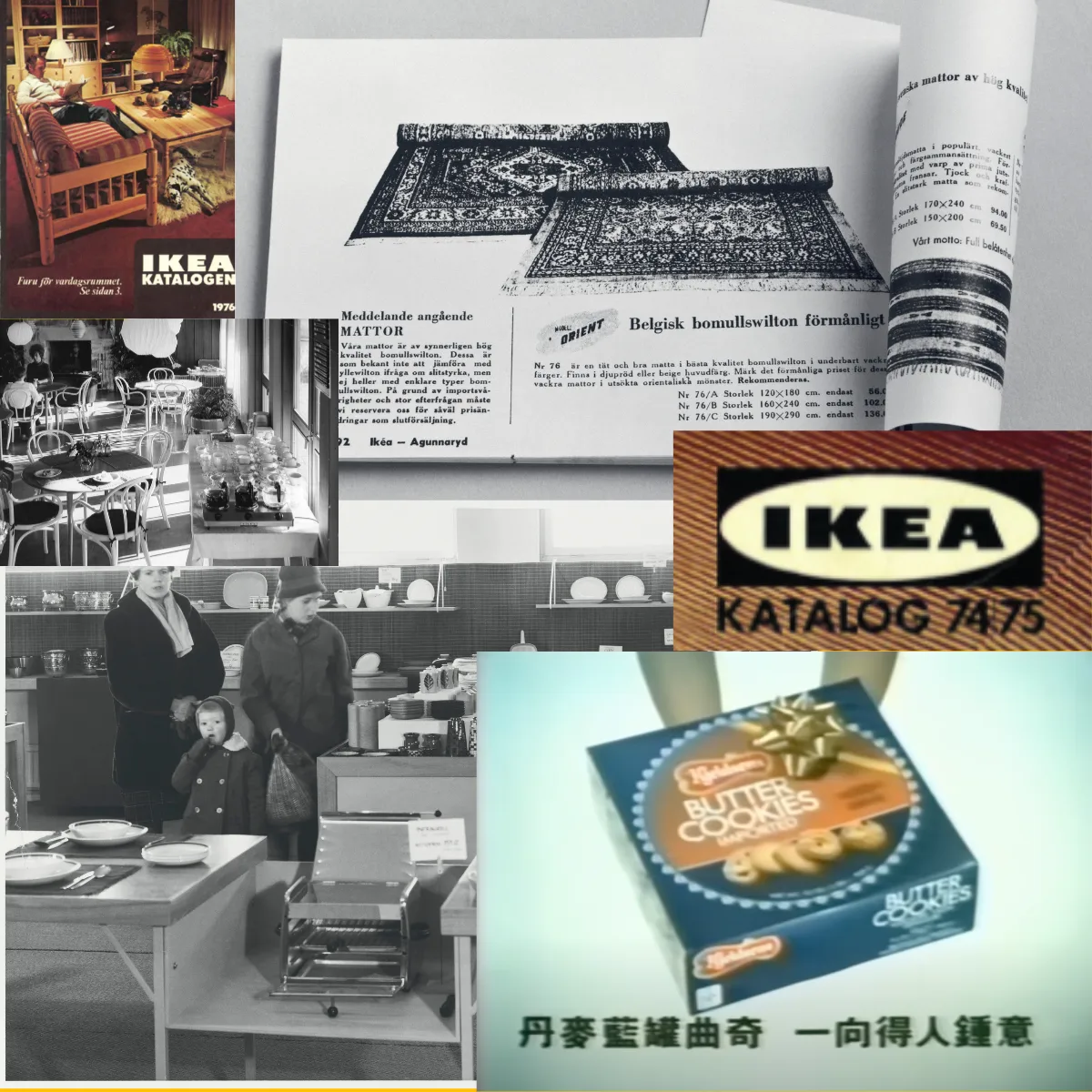
IKEA stores are filled with Swedish words, making them almost the most common point of contact Hong Kong people have with Nordic culture. Besides IKEA, though, there is another Nordic brand deeply embedded in Hong Kong life: Kjeldsens Danish butter cookies, known locally as the “Blue Can” cookies (藍罐曲奇).
Both arrived in Hong Kong in the 1970s, but the Blue Can worked its way into Hong Kong culture earlier and faster, becoming a byword for Lunar New Year and Mid-Autumn Festival gifts. The Blue Can television adverts, refreshed every few years, left a deep impression on many people.
At first glance, IKEA might seem to have little to do with Hong Kong culture — a legacy of its brand positioning in its first decade or so here. Yet ever since it set foot in Hong Kong, IKEA has repeatedly created memories that belong to Hong Kong people alone, opening up new trends in home living and building one cosy nest after another infused with Nordic simplicity.
An IKEA for yuppies?
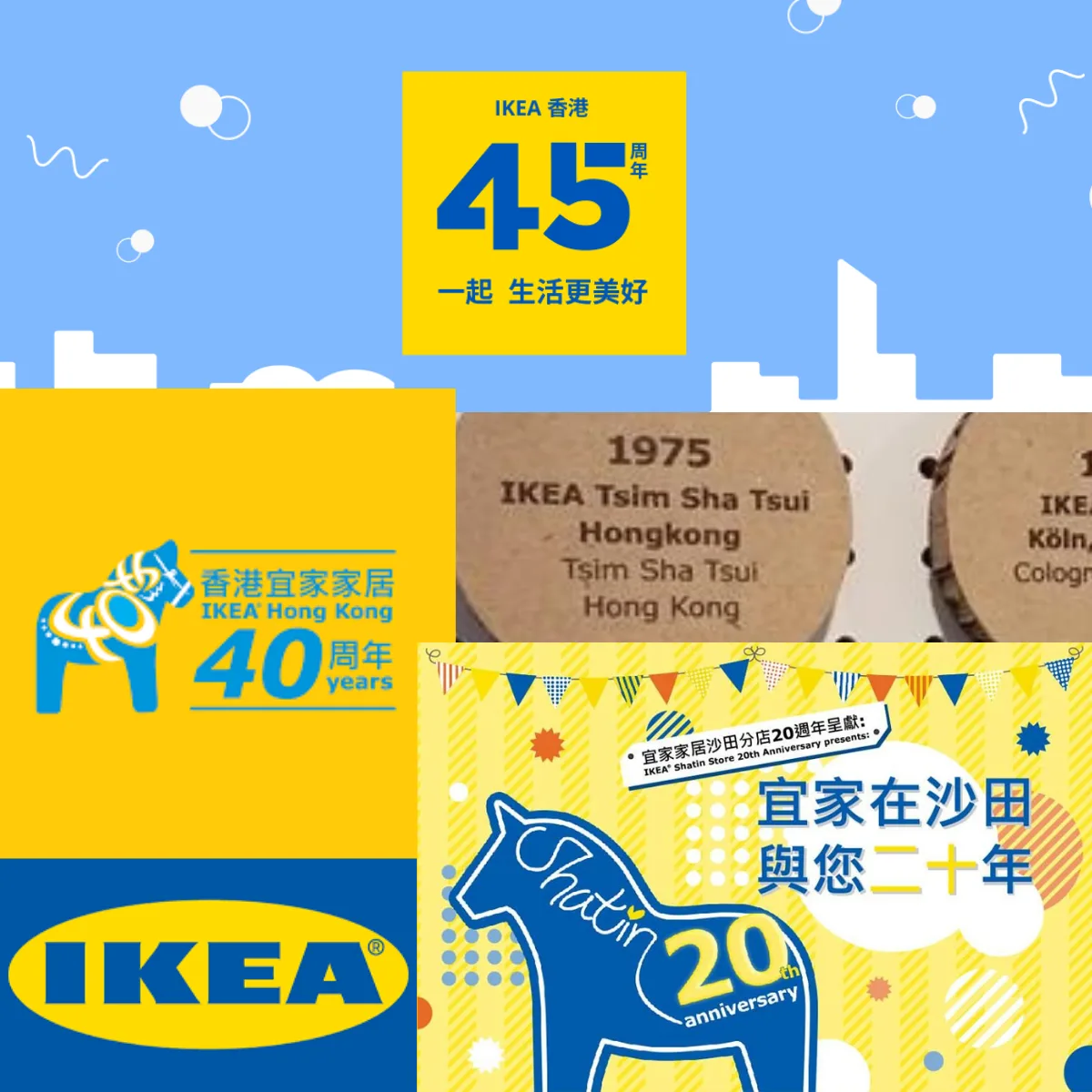
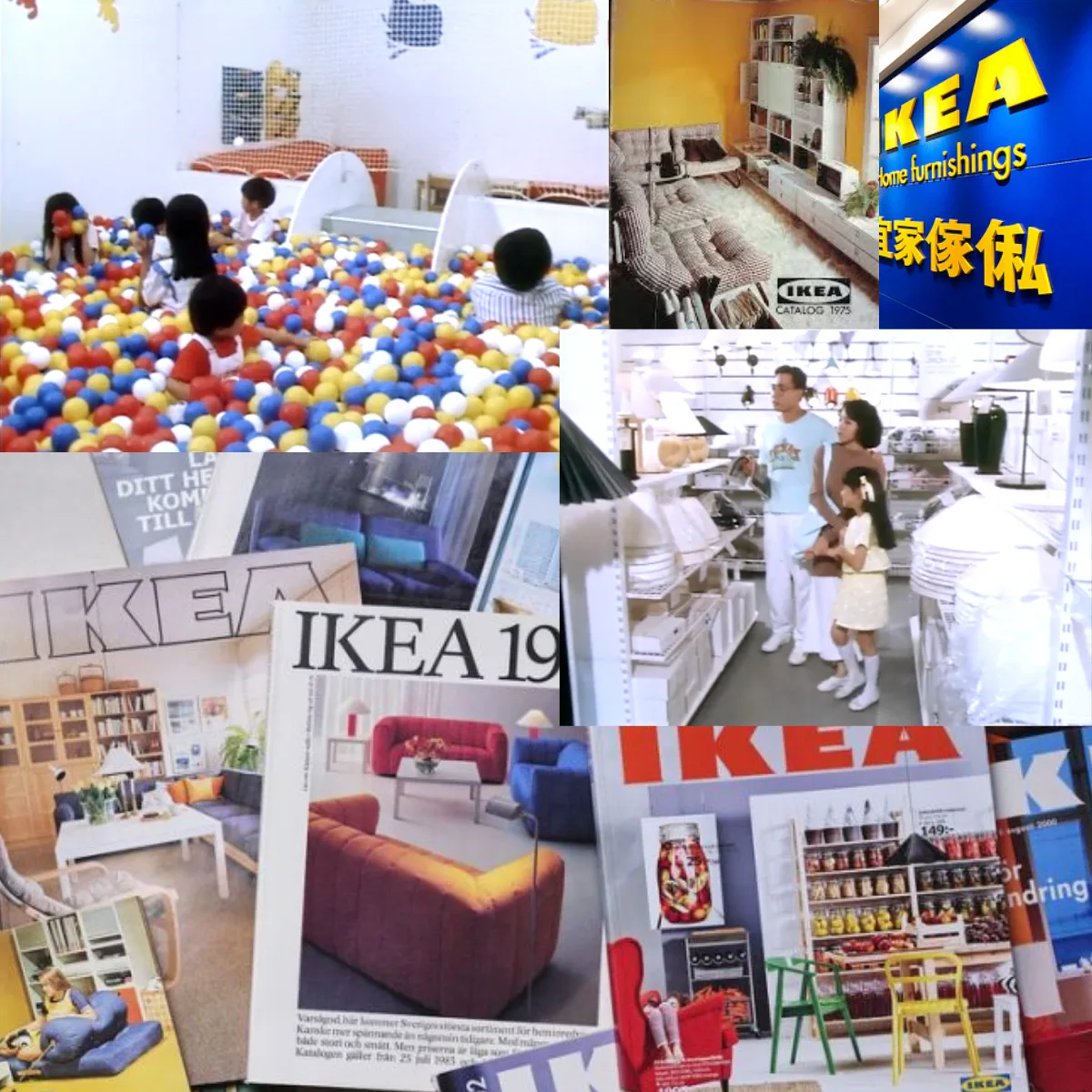
To Hong Kong people today, the blue-and-yellow IKEA logo is utterly familiar, but when the brand first entered the Hong Kong market, gaining a foothold among the city’s furniture shops was no easy task. In 1975, Dairy Farm International brought “IKEA Furniture” (宜家傢俬) to Tsim Sha Tsui under a franchise arrangement and published the first IKEA product catalogue in Hong Kong.
At that time, however, IKEA Hong Kong targeted “yuppies” — the upper middle class and above — operating small shops selling mid- to high-end products. Small wonder that IKEA’s early fame in Hong Kong lagged far behind the Blue Can’s.
Hong Kong furniture of the 1970s ran to iron-framed bunk beds and one-piece wooden wardrobes, so IKEA’s Nordic style did attract a certain following — even the Shaw Brothers actress Fong Ying (方盈) was a fan — but the business failed to take off as hoped.
In 1988, after acquiring the business, Jardine Matheson repositioned IKEA towards the broader mid-range market. Besides launching a wide range of low-priced goods, IKEA began building showroom units in its stores modelled on real Hong Kong homes, and even offered a free computerised home-design service — and from then on its popularity soared.
On 23 August 2010, the brand’s Chinese name changed from 宜家傢俬 (“IKEA Furniture”) to 宜家家居 (“IKEA Home”), to underline the idea that the brand sells not just furniture but inspiration for home living.
Standing firm through
the financial crisis
IKEA Hong Kong is a great success today, but the Swedish head office once had complaints about its performance. In 1994, IKEA Hong Kong’s management received a “Yellow Card” from Sweden: the Hong Kong franchisee had failed all ten requirements in a brand audit, including failing to deliver promotional booklets to residents’ letterboxes.
IKEA Hong Kong then spent nine months giving the brand a makeover, printing and distributing in bulk the product catalogues that had previously only been available for browsing in stores. This is widely seen as the turning point at which the Hong Kong public began to know IKEA.
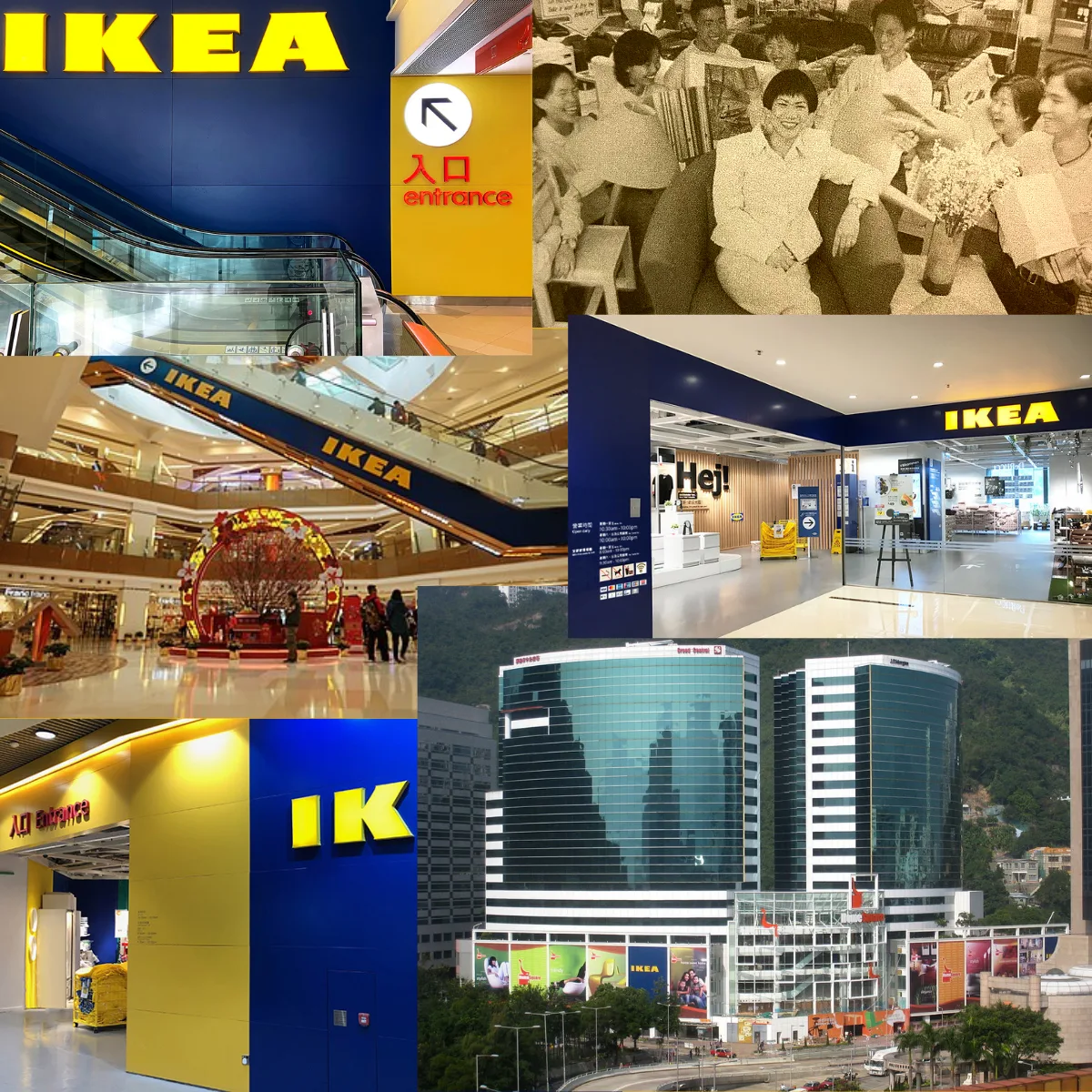
In 1997 Hong Kong was hit by the Asian financial crisis. Just before the storm broke, IKEA had stepped up its investment, opening its first large store in Sha Tin — only to be plunged into crisis as consumer spending slumped.
IKEA Hong Kong took the lead in proposing pay cuts instead of redundancies, and as a result, in 1999 — while other companies were laying off staff en masse — IKEA kept every one of its employees. Growth followed: IKEA Hong Kong opened large stores and pick-up centres across the territory, including Causeway Bay, Mong Kok (later relocated to Kowloon Bay) and Tsuen Wan, and later added online shopping. It had planted its feet firmly in the local market and become part of Hong Kong’s home-furnishing culture.
Riffing its way
to new heights
IKEA’s Nordic-style home goods conquered the Hong Kong market and became part of Hong Kong culture, and its localisation strategy was the key.
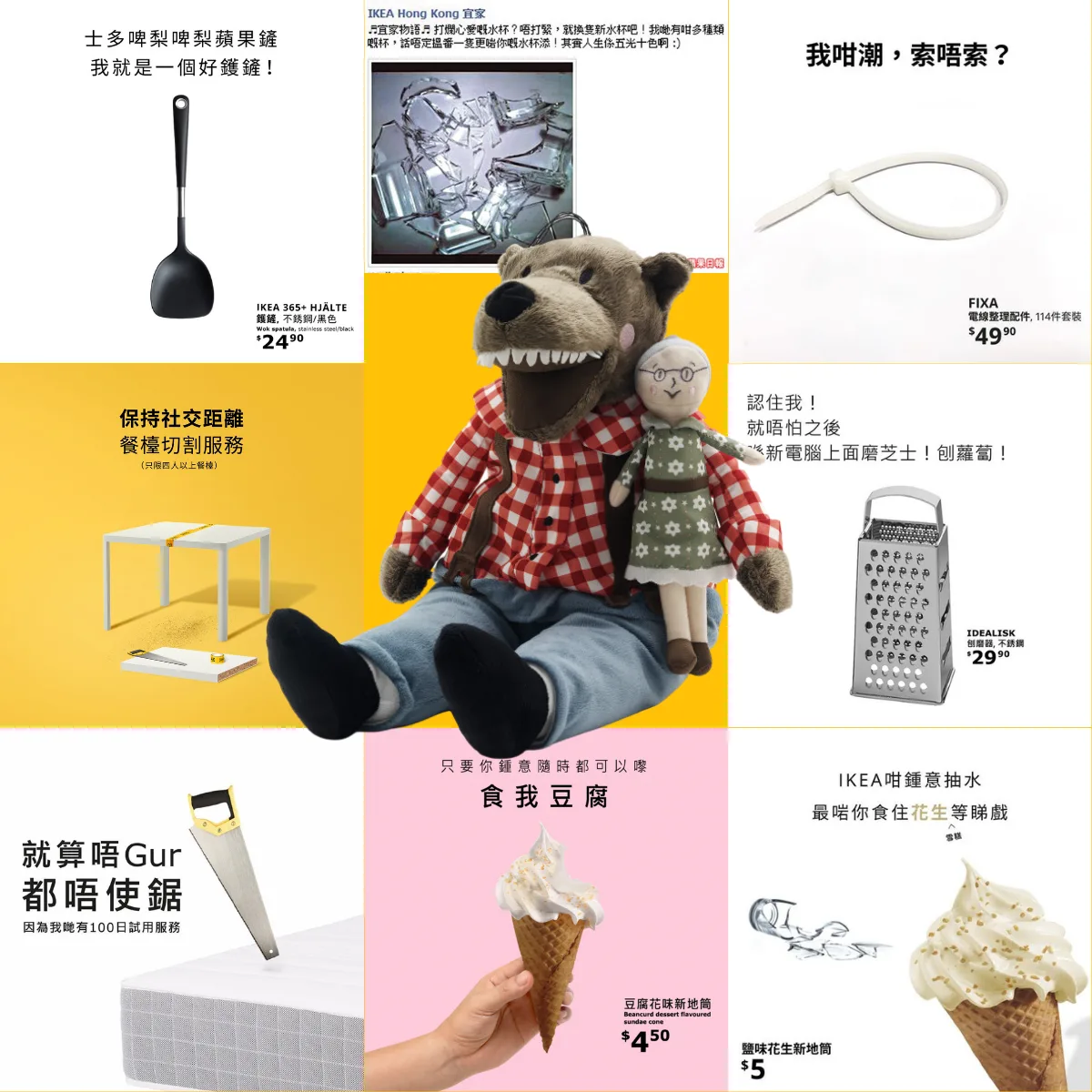
Beyond the in-store showrooms styled after cramped public-housing-estate flats, which sparked shoppers’ imaginations, IKEA’s Facebook page stayed remarkably close to Hong Kong life, producing many fondly remembered “chau seoi” posts (抽水, Cantonese slang for cheekily riffing on a trending topic).
Before Hong Kong’s political environment changed, IKEA Hong Kong’s Facebook posts were sharp-witted and full of local flavour. They are well worth revisiting.
Pakho Chau’s water-glass post
The singer Pakho Chau once published a reflective piece on his fan page, written after gazing at the shards of a broken glass; it instantly became a viral internet text. IKEA promptly riffed on it on its own page, drawing heated discussion from crowds of netizens:
“♬ The IKEA Story ♬ Broken your beloved glass? No matter — just get a new one! With so many kinds of glasses in our range, you might even find one that suits you better. Life, after all, is full of colour :)” (originally in Cantonese)
Lufsig — 路姆西 or 路福西?
Lufsig is a plush toy of a wolf clutching a grandmother. It shot to fame overnight in 2013 when someone hurled one at Hong Kong’s Chief Executive during a Policy Address consultation session. Because the toy’s Mandarin-derived Chinese name 路姆西 happened to sound like a Cantonese obscenity, and its form was so symbolically charged, Hong Kong netizens bought it up in such numbers that it repeatedly sold out — someone even staged an online “Lufsig fans’ photography exhibition.” This was not deliberate riffing by IKEA Hong Kong, but the affair prompted the Swedish head office to officially rename the toy 路福西, together with a statement apologising for the controversy the original name had caused.
IKEA’s celebrated history of riffing also includes its responses to the “eat my tofu” meme (食我豆腐 — a slang phrase for taking liberties with someone) and its “revamped Mac Pro” advert. Though some of these adverts stirred controversy, every one became a red-hot internet talking point. IKEA’s sure-footed, creative online marketing kept the brand consistently visible and talked about, contributing plenty of memorable one-liners and becoming part of this generation of Hong Kong people’s collective memory.
Finding the IKEA catalogue from the year you were born
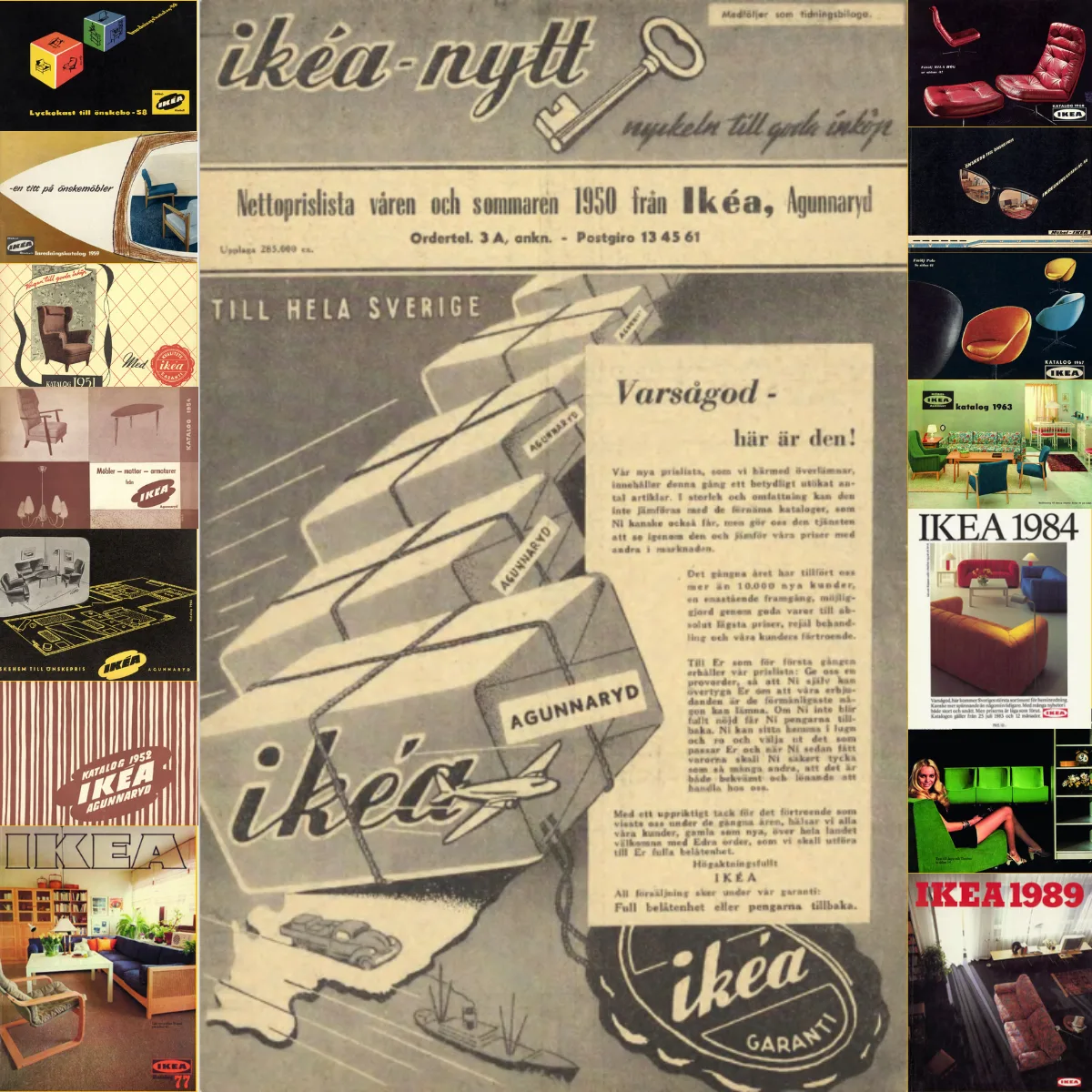
Historical material on IKEA is relatively scarce in Hong Kong, and even inside its stores it is hard to find any account of the company’s development. Even when Hong Kong IKEA ran a 45th-anniversary promotion in 2020, it said not a word about the brand events of its past.
By contrast, on the website of the IKEA Museum in Sweden you can find every Swedish-language catalogue from 1950 onwards. If you are curious about the furniture trends of the year you were born, the IKEA Museum website is worth a browse:
https://ikeamuseum.com/en/ikea-kataloger/
IKEA’s classic annual product catalogue has now completed its historical mission. On 7 December 2020, IKEA confirmed it would stop publishing the catalogue, making the edition published in the summer of 2020 the final one.
Sources:
https://ikeamuseum.com/en/startpage/
https://newsroom.inter.ikea.com/gallery/history
https://www.ikea.com.hk/zh/campaign/45th-anniversary [archived]
https://www.facebook.com/IKEAhongkong
與CEO對話 : 駕馭變幻 (Dialogues with CEOs: Mastering Change)
陳志輝, 冼日明, 謝冠東編著
香港 : 中華書局香港有限公司 2009
世情微痕 (Faint Traces of Worldly Affairs)
江迅著
初版 香港 : 明窗出版社 [2015]
香港電台電視部 - 建立傢俱王國 (RTHK Television — Building a Furniture Kingdom)
https://www.airitilibrary.com/Publication/alDetailedMesh?docid=U0002-0607201102310800#References
Published in Mar 2021 by Hong Kong Brand Museum 香港品牌博物館