Beancurd shops with the same name — which is real, which is fake?
Brand Museum Docent

Famous international brands are accused of trademark infringement time and again, and even ordered to pay damages to the plaintiff companies — but don’t imagine only big corporations end up in legal trouble: even Hong Kong’s beancurd shops face these predicaments!
Take Shu Kee (樹記), a shop with nearly 70 years of history on Yu Chau Street in Sham Shui Po. It originally closed down owing to a family dispute, and a descendant of the Kong family, hoping to carry on the ancestral business, reopened in Tai Po as “Shu Kee Fu Chuk Chuen Chun Kee” (樹記腐竹全駿記; fu chuk means dried beancurd sticks). Yet no sooner had Shu Kee closed than a “Shu Kee Food Company Limited” (樹記食品有限公司) opened in the shop premises opposite the old address, and later a “Shu Kee Ming Lee Fu Chuk” (樹記明利腐竹) opened in the original premises, touting itself as the old shop reopened — one can hardly avoid the suspicion that both shops were trading on Shu Kee’s name for profit.
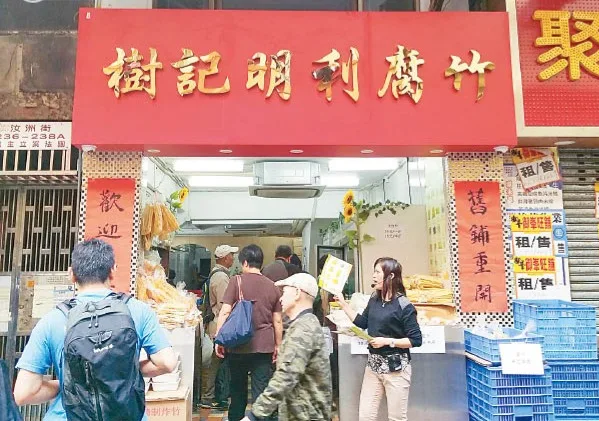
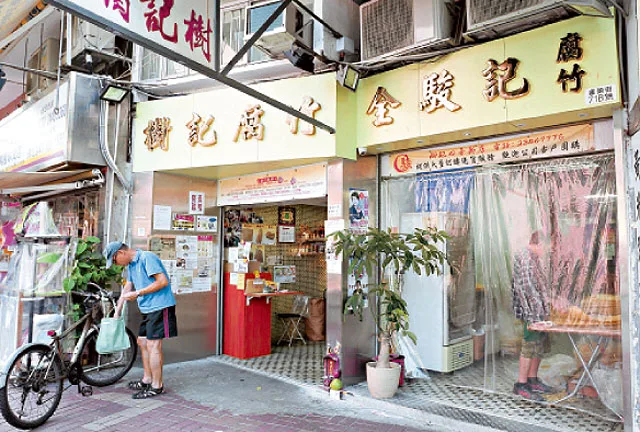
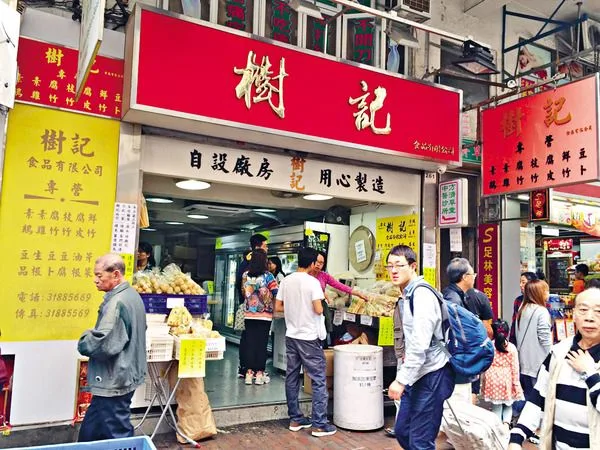
Hong Kong does in fact have legislation protecting registered trademarks against infringement. Provided the shadow company has been registered for less than a year and the original company registered and used its trademark in Hong Kong first, a complaint can be lodged with the Companies Registry, or a trademark-infringement suit can be brought directly in court. But remember: company registration is not trademark registration. Even if a company holds a Hong Kong business registration certificate or a certificate of incorporation, that does not entitle it to use a trademark in its promotion or operations.
In a case like Shu Kee’s, however, even after registering the trademark and suing both shops, the judicial and administrative procedures proved so complex that success took a full two to three years. One shop’s applications to register “樹記” in traditional and simplified characters were refused approval, and Shu Kee’s English name “SHU KEE” was successfully registered as a trademark — yet to this day “Shu Kee Food Company Limited” still trades under the “樹記” signboard.
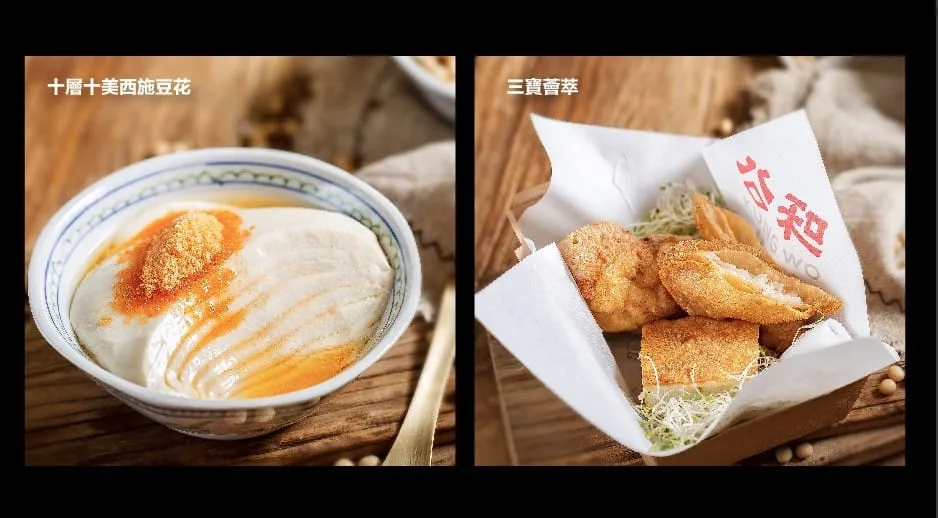
Not only Shu Kee: Kung Wo Beancurd Factory (公和荳品廠) has likewise been impersonated, with a shop opened in Shenzhen whose signboard, bowls, napkins and product packaging all copied the Hong Kong Kung Wo’s branding. But since this case involved law outside Hong Kong’s jurisdiction, Kung Wo found itself with no recourse, and could only disavow any connection online.
The mainland has always operated a “first to file” trademark system, protecting whoever registers a trademark first. According to the World Intellectual Property Organization, in 2014 alone China saw roughly 2.22 million trademark registrations — which is why cases keep arising in which famous international brands find themselves the ones accused of trademark infringement.
Put yourself in their shoes: seeing the fruit of one’s own labour appropriated without cause, anyone would feel outraged. A successful entrepreneur needs not only a head for business but, more importantly, a conscience.
Reading guide:
- Shu Kee, a time-honoured shop rooted in Sham Shui Po, had its trademark infringed by several shops and petitioned the court to invalidate the registrations, but the administrative procedures were time-consuming, taking two to three years, and the outcome still fell short
- Kung Wo Beancurd Factory faced the same problem of impersonation, but lacking mainland legal support, the owner could only issue clarifications online
- Besides registering your company, remember to register your trademark too — only then are the company’s rights protected

Mini challenge:
The law cannot entirely stamp out shadow companies, but registering a trademark at least protects a company’s rights. One day you may become a boss yourself — try searching at esearch.ipd.gov.hk for a shop name you might choose, and see whether it has already been registered!