Retired KMB Buses Roaming Foreign Streets?
Brand Museum Docent
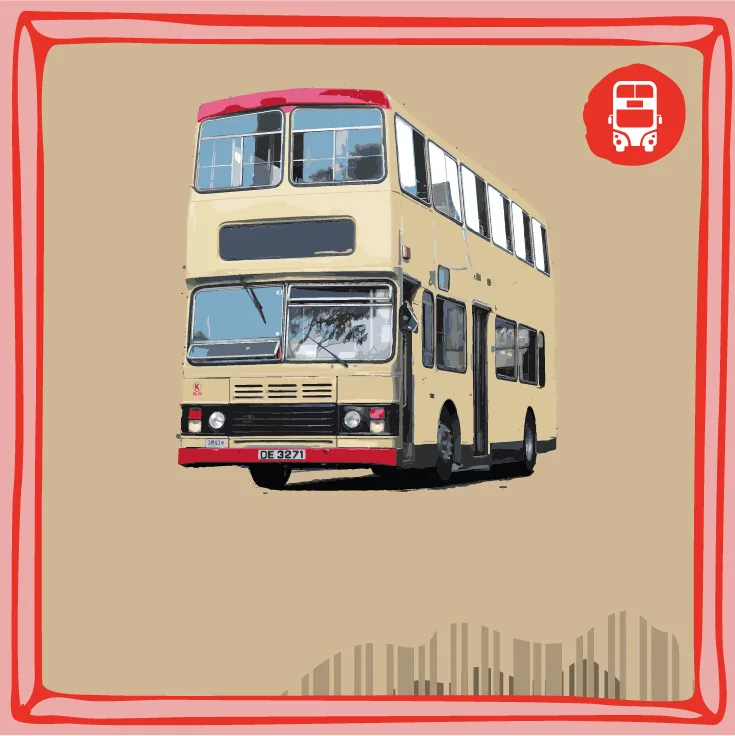
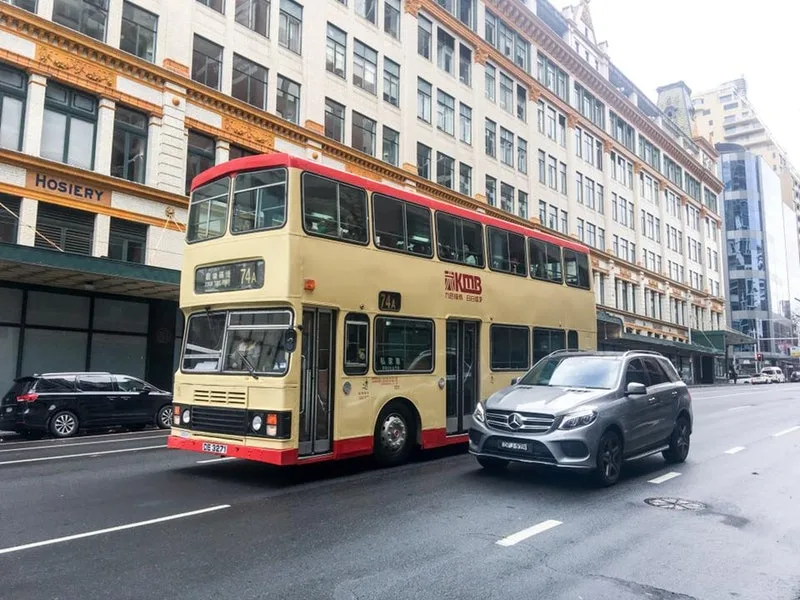
In Hong Kong, many retired buses from KMB (Kowloon Motor Bus) have over the years been bought by overseas companies and, with newly designed liveries applied, carried on running abroad as sightseeing buses or school buses — so even if you crossed paths with these “old friends” in a foreign land, you would probably struggle to recognise them. In 2018, however, someone spotted a KMB “hot dog” bus (熱狗巴士, the local nickname for a non-air-conditioned bus) on the streets of Sydney, Australia. It turned out the bus was an exhibit of the Sydney Bus Museum, and it had been issued a historic vehicle plate by the Australian authorities, so it could legally carry tourists.
In Hong Kong, KMB holds bus auctions every year, with the tender documents stating that the buses may not be re-licensed or operated in Hong Kong and may only be kept as display pieces. There are grassroots bus-preservation groups that rent land in the New Territories to store buses, and one successful bidder even converted a bus into a bus-house — small, but with everything in place. Their retirement, though, is nothing like that of the exhibition bus in Australia: bus fanatics have in the past tracked down the storage sites of retired buses, whose fittings were then stolen and vandalised one after another. To avoid attracting attention, they can only hide away in secluded spots cut off from the world.
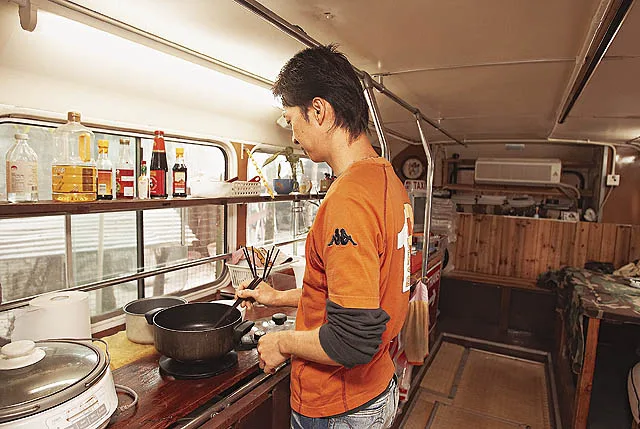
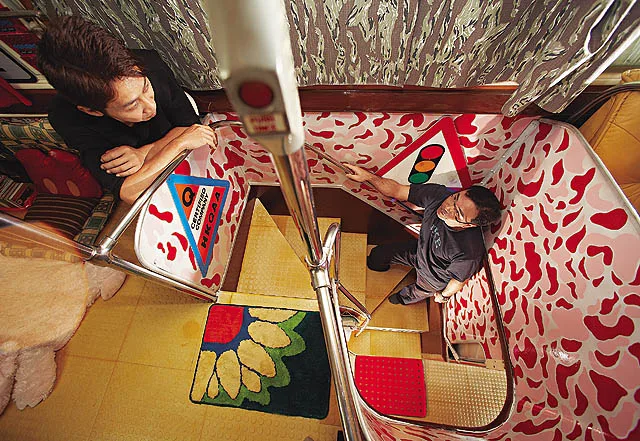
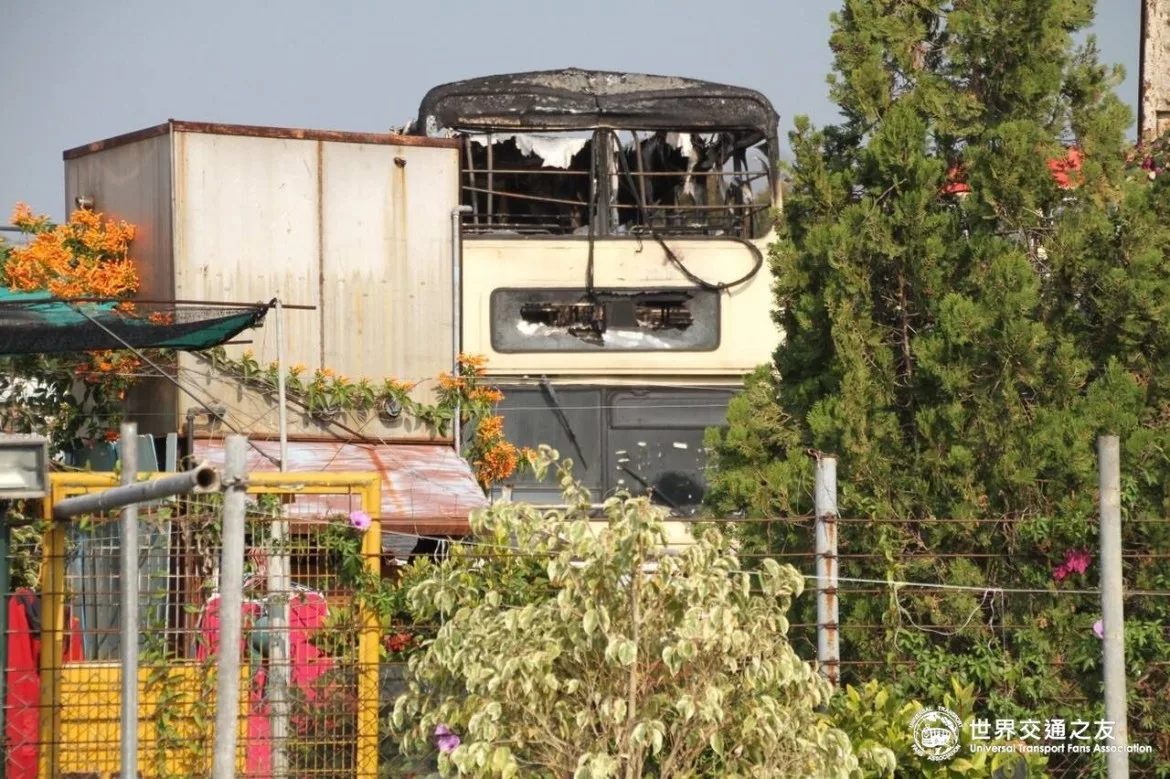
The life of Hong Kong’s retired buses may sound lonely, but in recent years they have started to enjoy all kinds of company!
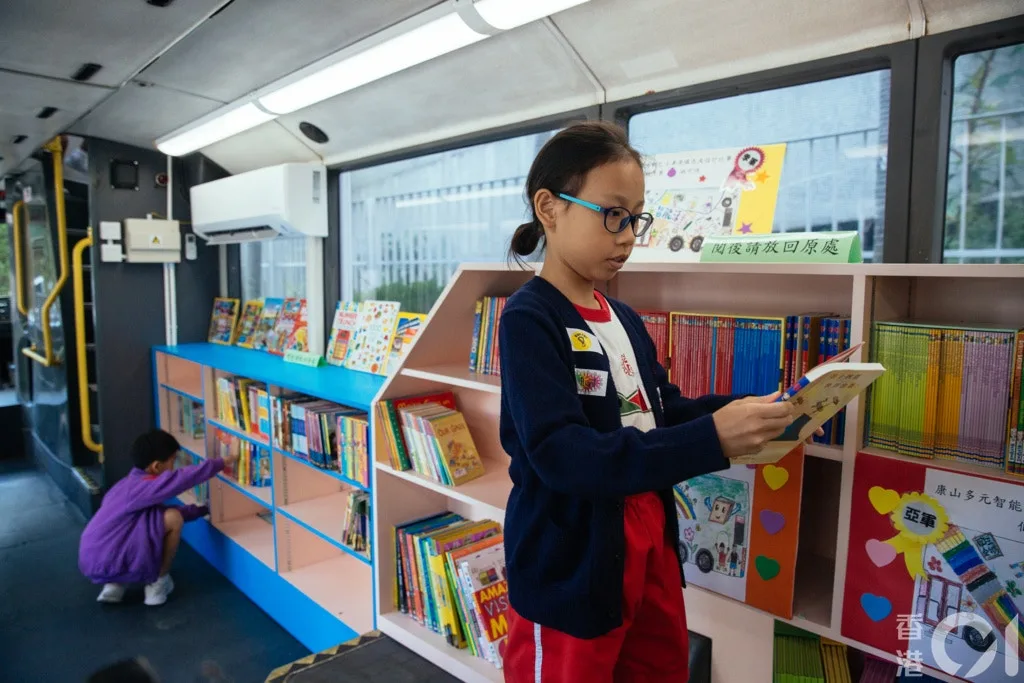
Take KMB’s “Bus Regeneration Dream” (巴士再生夢) donation scheme, which gives buses to schools. One school converted a double-decker into a library and multiple-intelligences activity centre for STEAM (science, technology, engineering, arts and mathematics) learning; another turned one into a multimedia art studio and mobile theatre, giving students more space for creative work. These retired-bus classrooms take students out of the ordinary classroom — children learning inside a bus are especially excited, which boosts the teaching interaction between teachers and pupils.
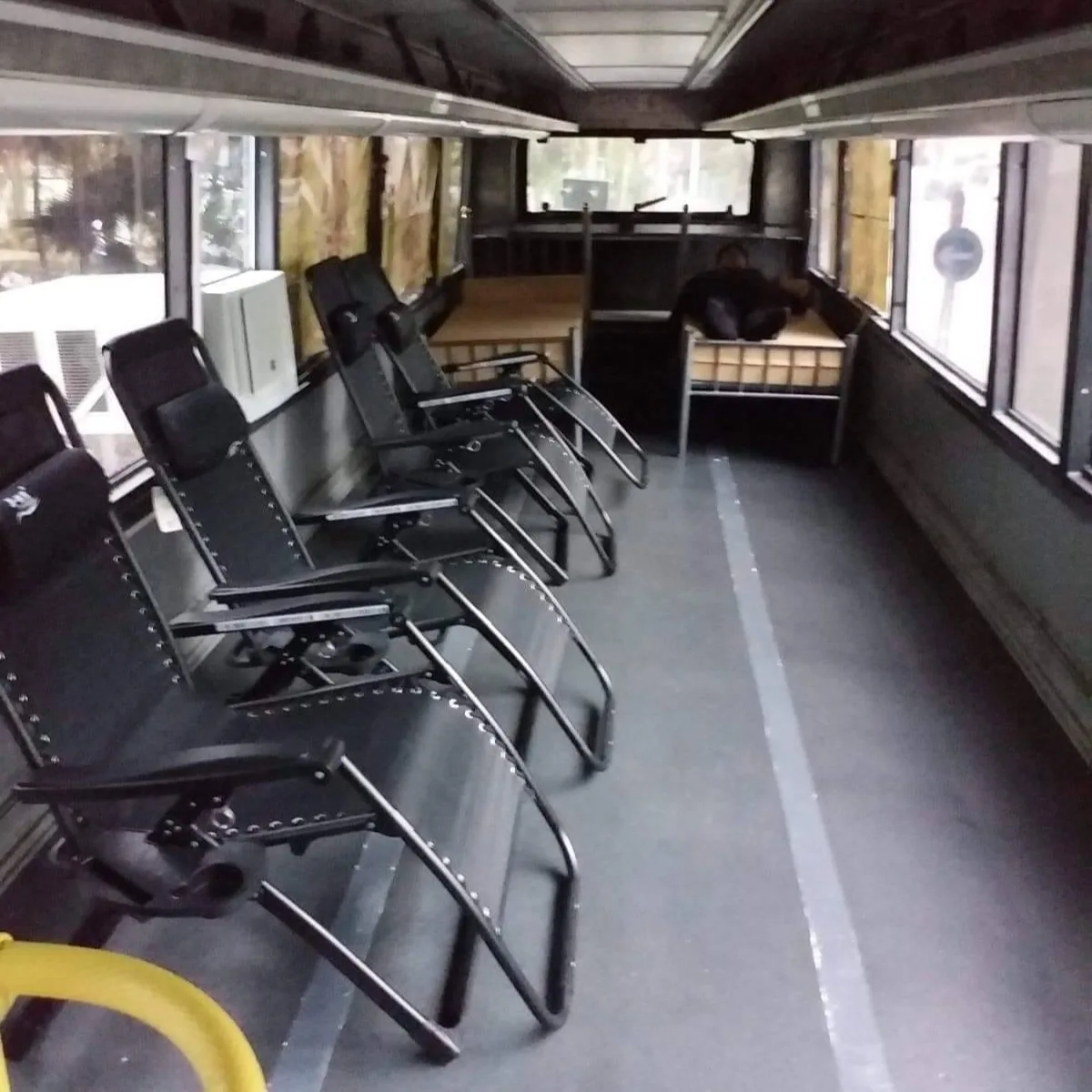
Besides KMB, Citybus and New World First Bus have also turned buses into rest lounges for bus captains, still at the trial stage at present. They converted two retired buses at the Chai Wan depot into rest rooms fitted with beds, dining tables, a refrigerator, a microwave oven, a television, a water dispenser and other facilities, hoping to ease the shortage of rest space at bus termini.
Buses generally serve for more than a decade, and even after retirement they carry on being meaningful in another way. Perhaps it is not the children or the bus captains who keep the buses company — it is the buses that have been keeping Hong Kong people company all along!
Reading guide:
- Some retired buses are shipped overseas for exhibition, or re-wrapped to operate as sightseeing buses, school buses and the like
- In Hong Kong, KMB holds bus auctions, but the buses are restricted to display use only
- KMB also runs a scheme donating buses to schools; some schools have converted them into STEAM classrooms
- Citybus and New World First Bus have converted buses into rest lounges, hoping to ease the shortage of rest space for bus captains
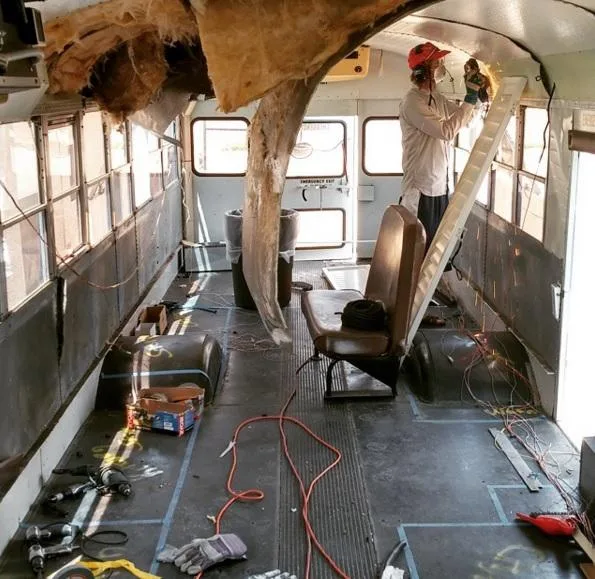
Mini challenge:
If you ran a bus company, beyond the retirement arrangements above, how else would you handle these retired buses so they could carry on their mission of serving the public?