Barrier-Free Transport on Hong Kong's Public Buses
Brand Museum Docent
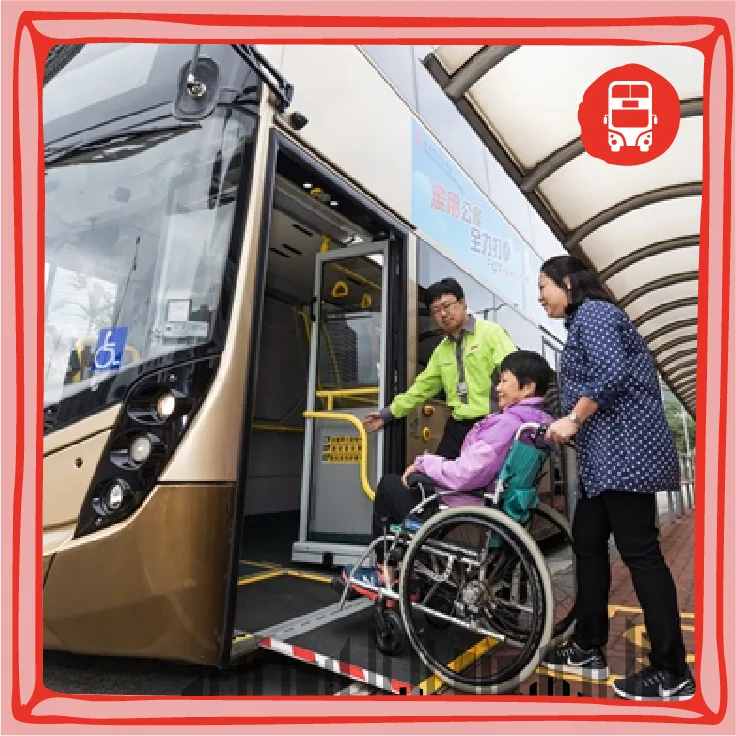
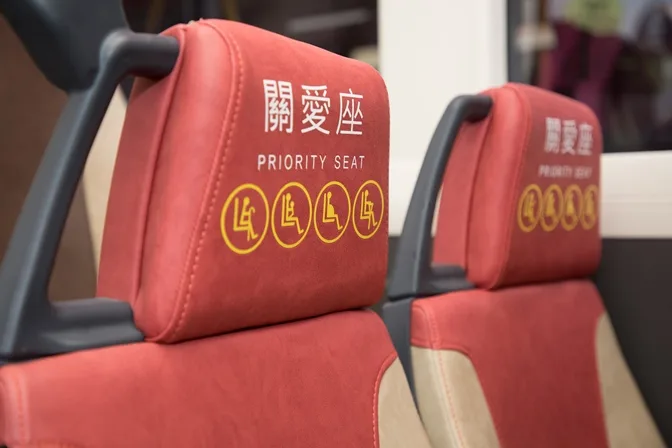
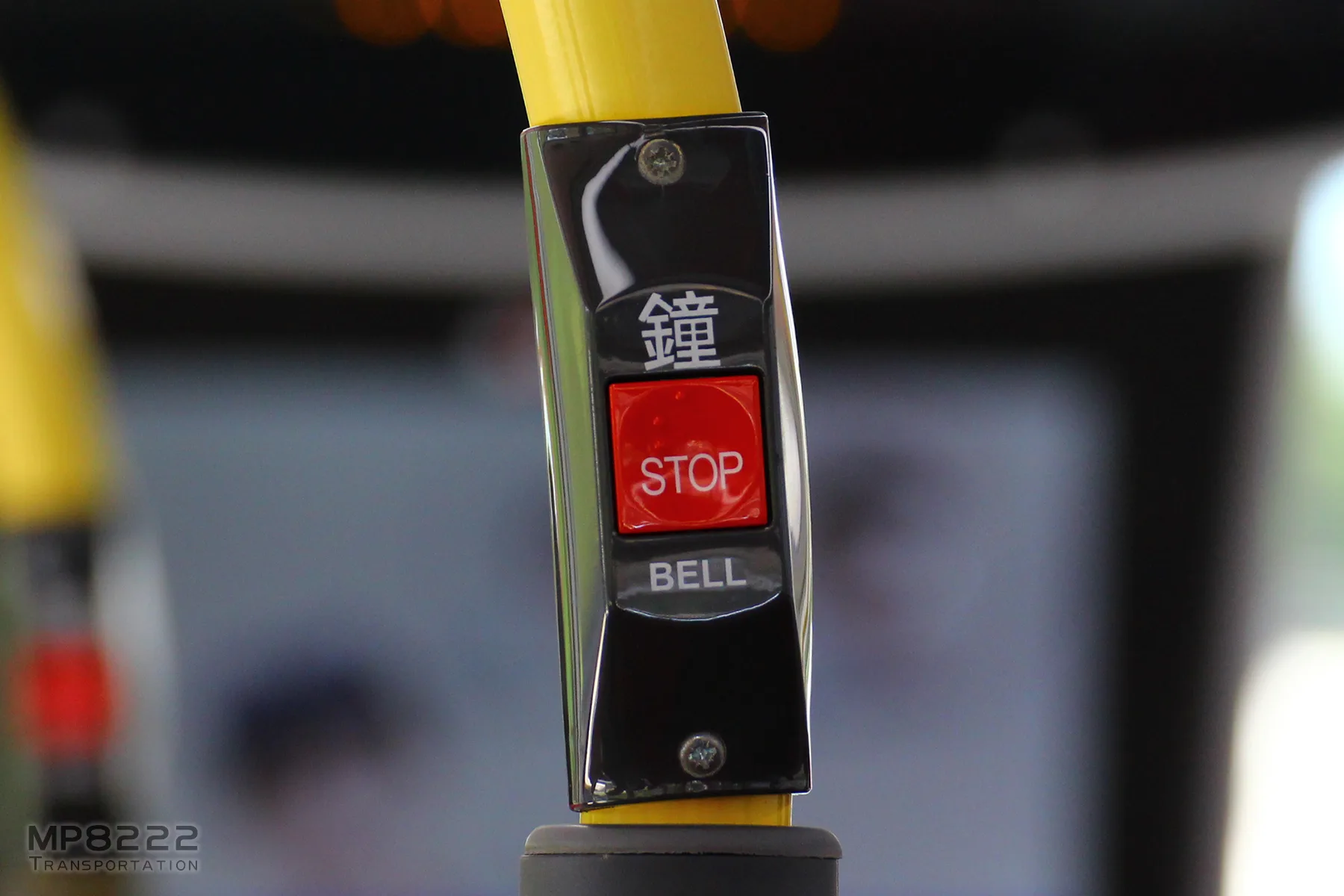
Under current legislation, all bus companies holding franchises granted in or after 2013 must include barrier-free features when procuring new buses — for example, low-floor designs allowing wheelchairs to board and alight, wheelchair parking areas fitted with safety belts, and priority seats. In addition, some public buses have cabin floors finished with anti-slip flooring, bright-yellow textured handrails, alighting bells with braille, and audio next-stop announcement systems, in the hope of meeting the needs of passengers with disabilities.
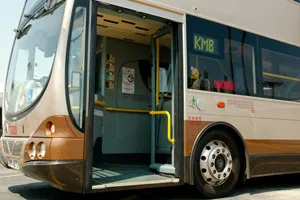
The ideal is one thing; in reality, many passengers with disabilities still run into plenty of problems when taking the bus. According to a survey by the territory-wide barrier-free bus concern alliance (全港無障礙巴士關注大聯盟), 90% of bus stop-announcement devices fail to effectively alert visually impaired passengers to alight, mainly because the announcements are not loud enough or are made only after the bus has reached the stop, causing many visually impaired passengers to get off at the wrong stop. Although the mobile apps developed by the bus operators have voice systems giving them route and timetable information, the buses’ Global Positioning System (GPS) can be off, so the timing of automatic announcements is not always accurate. Clearly, inclusive bus design still has its shortcomings.
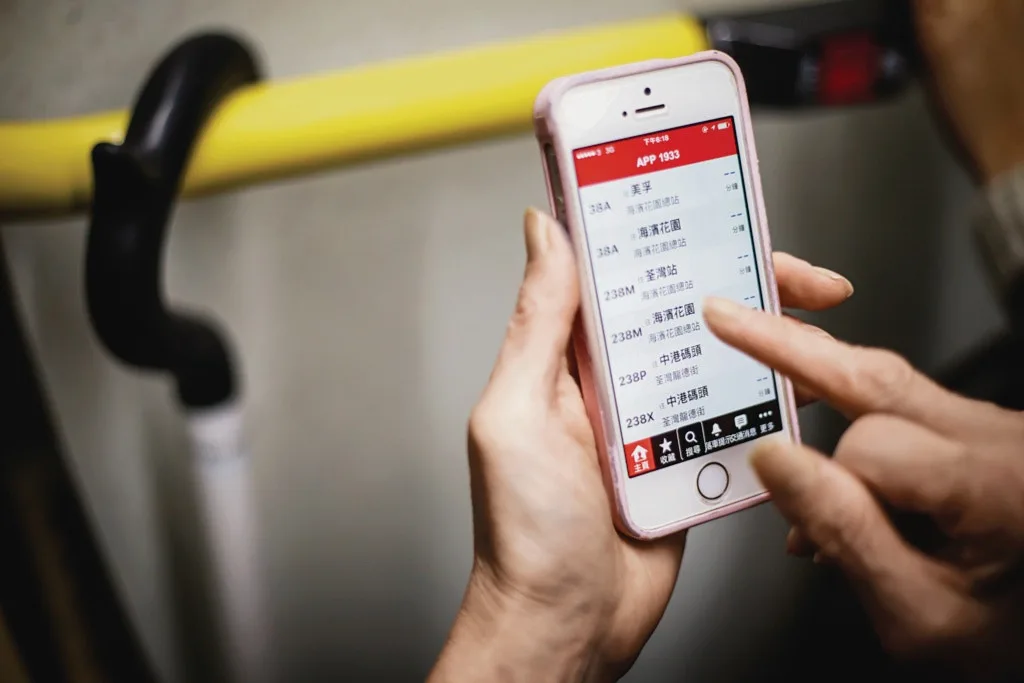
There are also many external factors that make bus journeys unpleasant for them. Ordinary passengers may leave bulky items, prams or suitcases in the wheelchair parking area, and some passengers with disabilities have told newspaper interviewers that they are the ones who sometimes get accused of being “in everyone’s way”. Nor do all visually impaired people show obvious outward signs; when they ask fellow passengers or passers-by for help, sometimes all they get is a cold response.
In fact, the bus companies have been working to improve on these problems — for instance, one operator increased the single wheelchair space on board to two, raising the chances of passengers with disabilities successfully getting on. And as Hong Kong citizens, we can do our part too — responding kindly, or asking the driver to assist where needed — so that they can better take part in community life.
Note: According to the Transport Department’s website, at the start of 2020 Hong Kong had five franchised bus companies: The Kowloon Motor Bus Co. (1933) Ltd (“KMB”), Citybus Limited, New World First Bus Services Limited (“NWFB”), Long Win Bus Company Limited, and New Lantao Bus Company (1973) Limited (“NLB”).
Reading guide:
- In line with the “barrier-free transport” concept promoted by the Transport Department, public bus operators provide barrier-free facilities
- In reality, many passengers with disabilities feel anxious or have unpleasant experiences on buses because of design problems and the indifference of other passengers
- While the bus companies work to improve their services, we too can do our best to help those in need
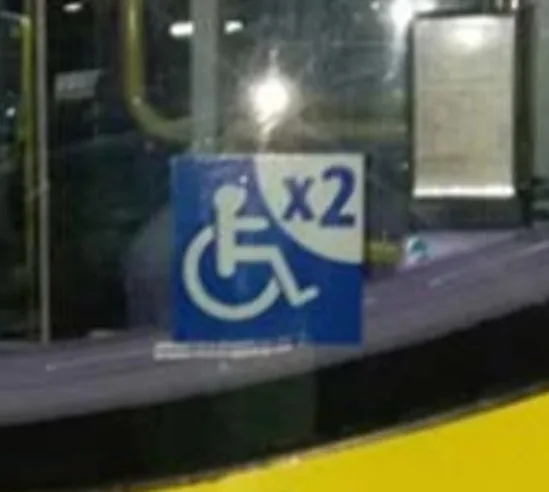
Mini challenge:
As of 2019, 240 buses across Hong Kong are fitted with two wheelchair spaces. Next time you are waiting for a bus, see whether this sign is displayed on the windscreen!