Finely crafted fermented beancurd from Kung Wo and other brands — a model "Chinese cheese"
Brand Museum Docent
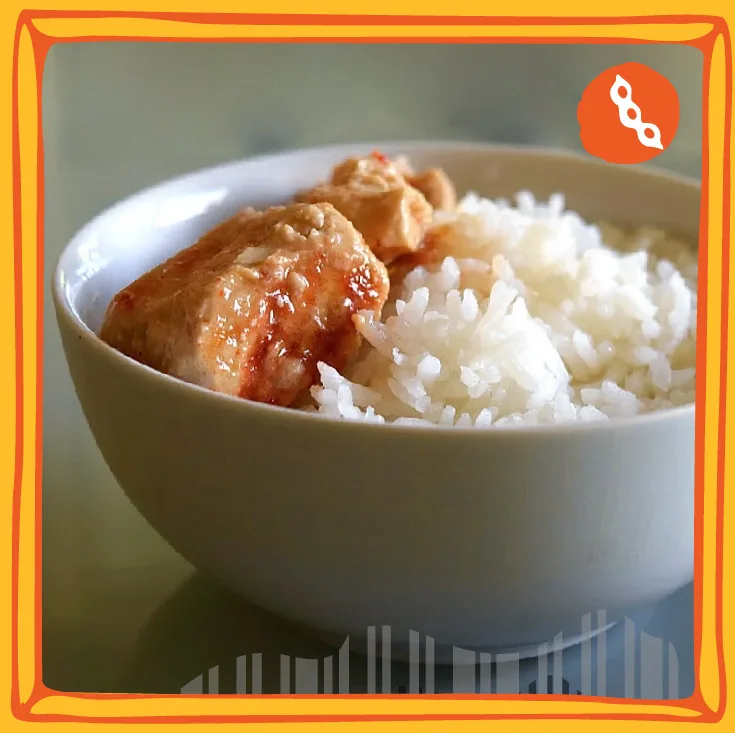
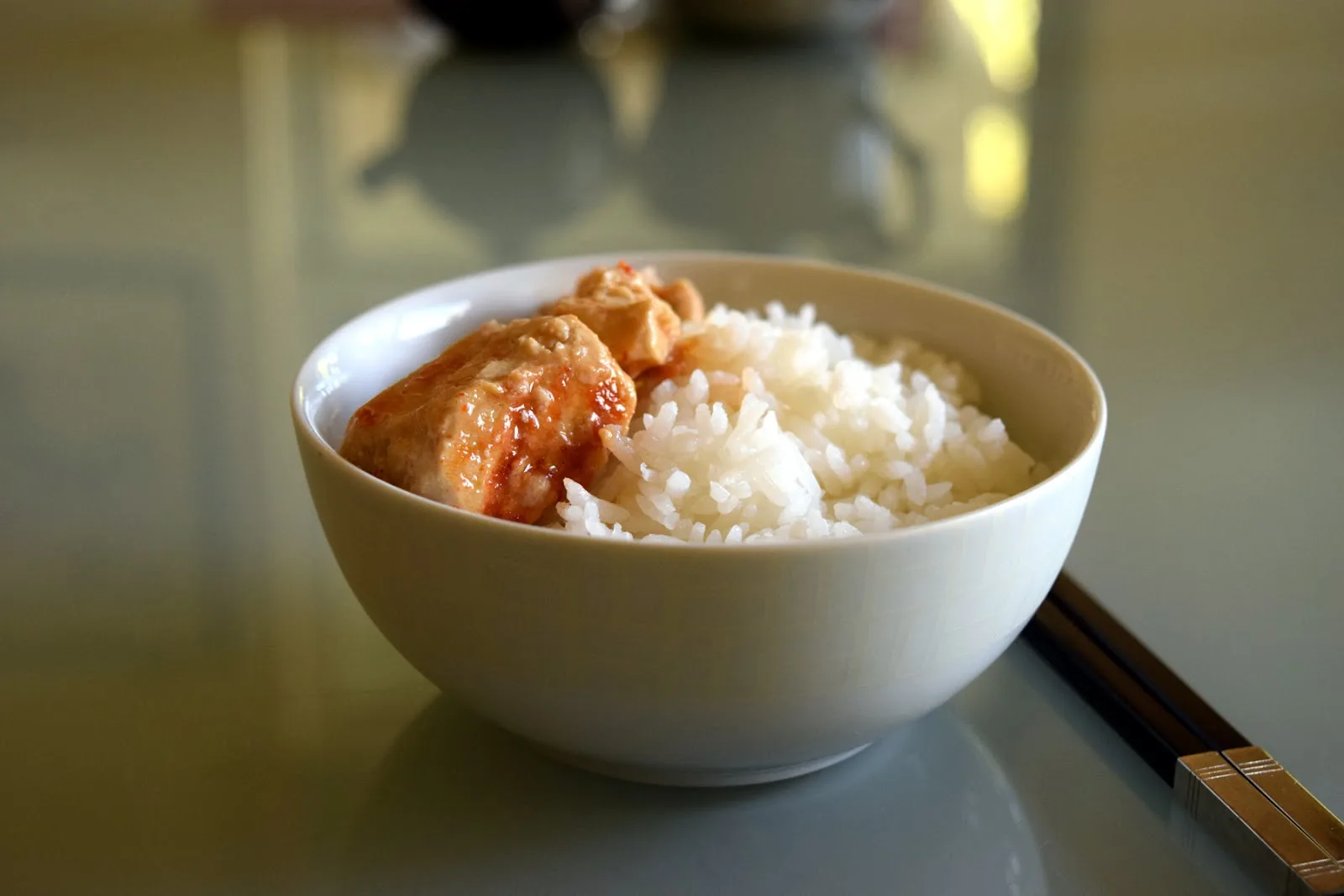
In the 1960s and 70s, every household kept at least one jar of fu yu (腐乳, fermented beancurd). In those hard economic times, people would scoop out half a cube, add a little sugar, and make a meal of it with rice.
Fermented beancurd is a food that links many people to their childhood memories, and it embodies the craft spirit of the older generation. Making a good jar of it is no simple matter. First the soya beans are soaked overnight; the soya milk, ground on a stone mill, is then heated and put through a centrifuge to separate liquid from solids, and the curdled soya milk is pressed in bamboo sieves to squeeze out the water.
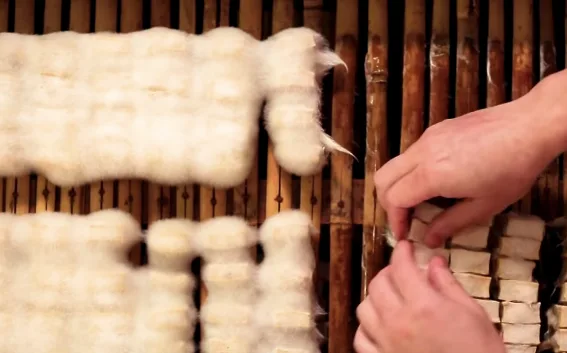
The curd is cut into blocks, and each block must be laid out neatly, one by one, to await fermentation. Beyond skill and experience, the temperature and humidity of the environment are the key to culturing the mould: a good curd block grows a white, furry coat of mould, which must then be rubbed evenly over all four sides of the block — rather like shuffling mahjong tiles — with six or seven small blocks lined up in a row, so that, working on one another, every block ferments naturally and evenly.
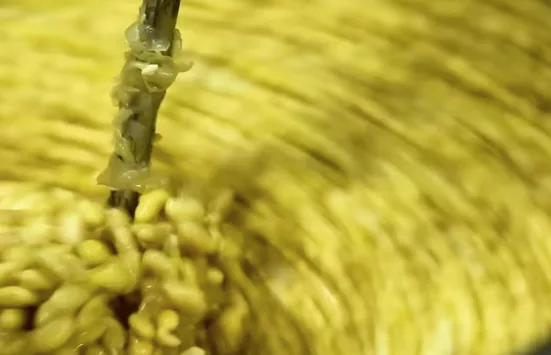
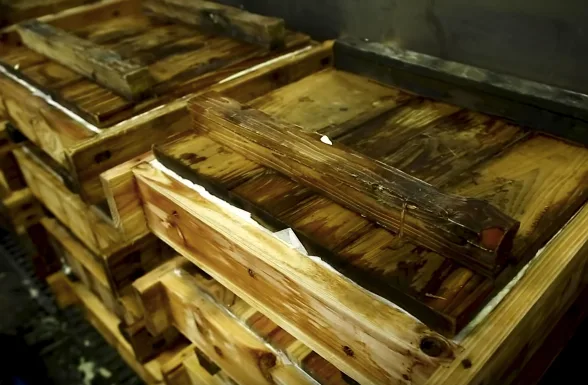
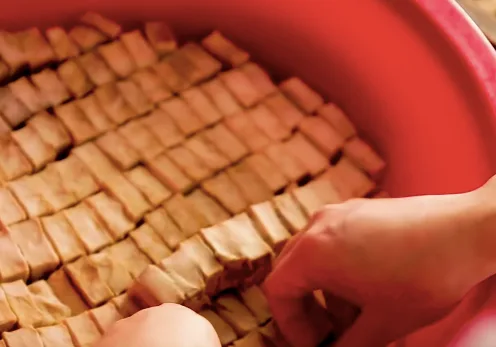
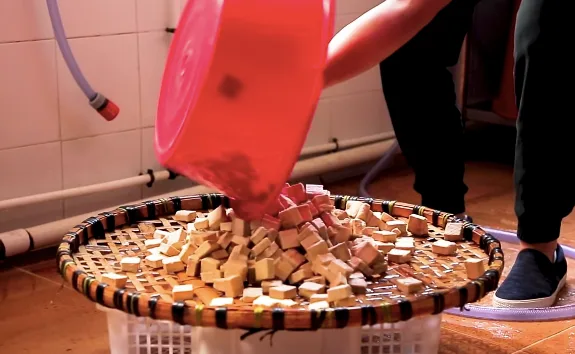
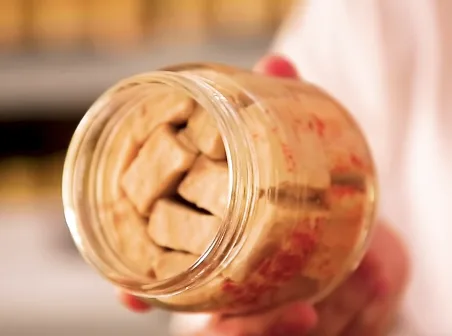
The blocks are packed tightly into large basins, and salt is added to draw out excess moisture and cure them against spoilage; a day later the brine is rinsed away and the blocks are left to air-dry. In the bottling stage, the beancurd is packed around the jar until there is no room left, so the cubes cannot break apart from shaking — which helps the later fermentation. Finally rice wine and chilli powder are added, and only after six months or more of waiting is a jar of handmade fermented beancurd truly complete.
Few people know, however, that beancurd cured in different seasons is not the same. Beancurd made in summer, with higher temperature and humidity, carries a stronger rice-wine flavour; winter batches have a richer soya aroma; and spring and autumn batches taste milder and more balanced.
The masters still making fermented beancurd locally in all of Hong Kong can be counted on one hand. Even set down in words, the process is plainly complex — soaking, grinding, pressing, fermenting — and if a single step goes wrong, a jarful of devoted labour goes down the drain. The long maturation time also means, from a business standpoint, low cost-effectiveness and a slow return — which is why most of the fermented beancurd sold in supermarkets is machine-made on the mainland.
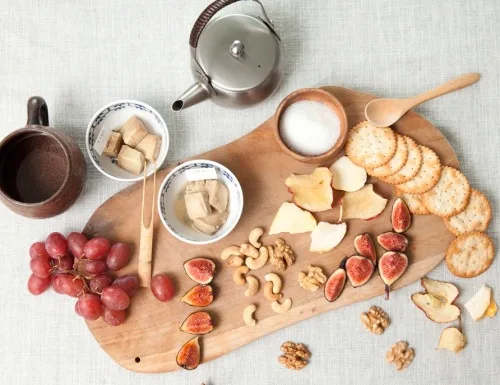
Nowadays very few people still eat fermented beancurd with plain rice; mostly it is used as a seasoning, for stir-fried water spinach, lamb brisket casserole and the like. Yet many people abroad — even the celebrated food critic Chua Lam — sing its praises: spread on bread or salted crackers and paired with red wine, it is nothing short of a “Chinese cheese”. Plenty of Hong Kong restaurants have also created East-meets-West dishes of their own, such as spaghetti with fermented beancurd and shredded chilli, or dried fruit with a fermented-beancurd dip.
The masters of the trade keep working on new recipes, hoping to shake off the stereotype that “fermented beancurd is only for the poor” — for they firmly believe that what the jar preserves is not just beancurd, but the tastes and memories of an earlier generation of Hong Kong people.
Reading guide:
- In the 1960s and 70s, fermented beancurd with rice could pass for a whole meal, which is why it was known as one of the poor man’s blessings
- The making of fermented beancurd is complex, requiring two rounds of fermentation, and batches cured in different seasons differ in flavour and texture
- What supermarkets sell is mostly machine-made; locally handmade fermented beancurd is scarce, because it is not cost-effective
- Some restaurants now use fermented beancurd not merely as a seasoning, but combine it with Western ingredients to create new dishes
Mini challenge:
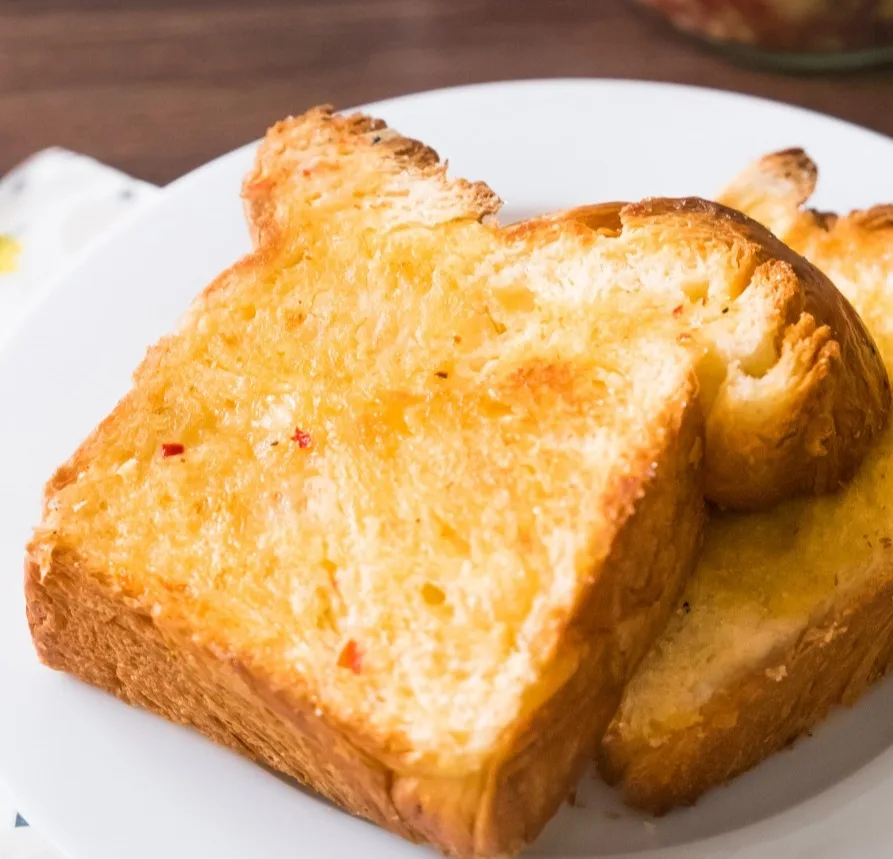
Beyond stir-fries and dips, try making simple “fermented beancurd toast” with your family, and taste an East-meets-West beancurd dish for yourself!
- In a frying pan, toast a slice of bread until golden on both sides
- Spread with fermented beancurd and sprinkle with sugar
- Return it to the pan and toast the spread side for another half a minute