Small Soya Shops Doing CSR?
Brand Museum Docent

A business is normally run with profit maximisation as its goal. But many companies have come to realise that, beyond answering to investors, a business should not focus solely on its own interests — a business is itself part of society. So they weave corporate social responsibility into their operations: making commitments to environmental protection, giving to charity, refusing to exploit employees, and so on.
You may well wonder: why “do it at a loss”? In fact it benefits the business. First, it raises customers’ goodwill, builds a positive brand image and increases social acceptance. Second, when employees feel the company is doing “the right thing”, their sense of identification and belonging grows and they throw themselves into their work more actively, strengthening the relationship between employer and staff.
Some soya shops take part in food recycling schemes and have kept up handing out dau fu fa (豆腐花, silky tofu pudding) to the elderly for seven years running; one vegetarian specialist gives out soya milk on the morning of the first and fifteenth of every lunar month; and a soya shop in Sham Shui Po, knowing the district is home to many poor elderly people and low-income residents, decided to give away unlimited free dau fu fa for seven days straight.
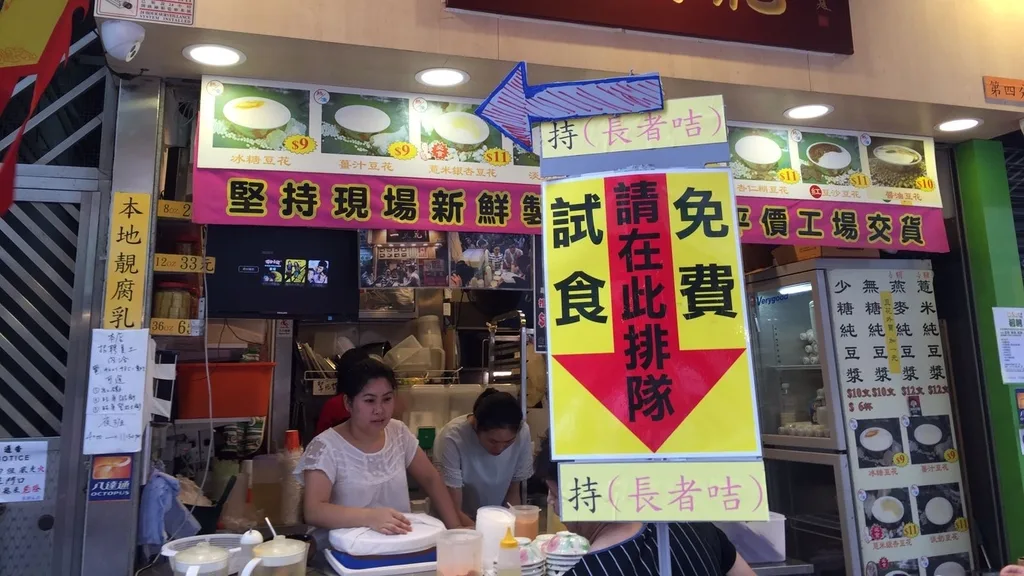
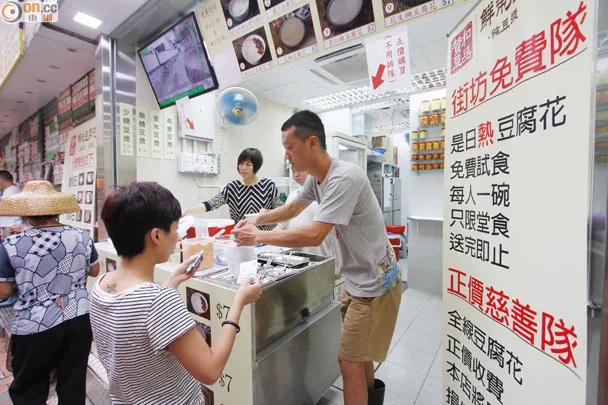
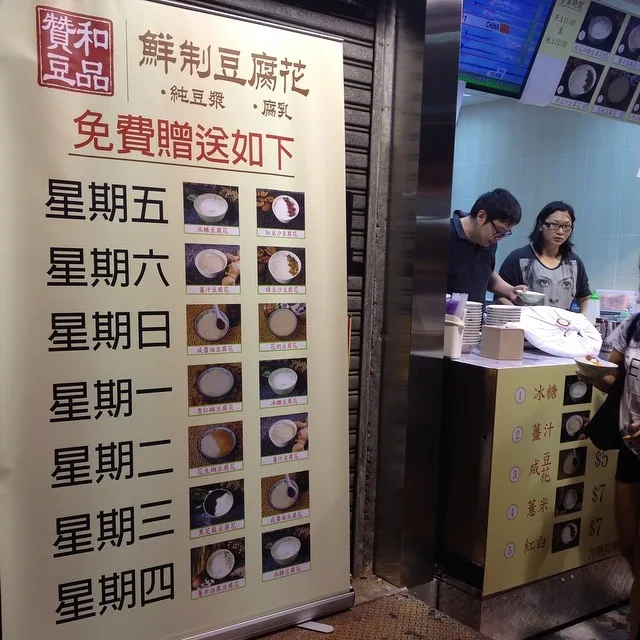
Quite a few Hong Kong restaurants have tried suspended-meal coupons (待用餐券, pre-paid meals donated for those in need), but soya shops are actually better suited to the idea than those restaurants, and more flexible. What restaurants hand out is generally a rice meal with meat and vegetables, and even when the owner deliberately cooks it plain, some elderly people still have trouble swallowing it. Tofu, by contrast, is naturally soft and smooth — even elderly people with no strength in their teeth can eat it — and it works both as a savoury dish and as a dessert: two birds with one stone.
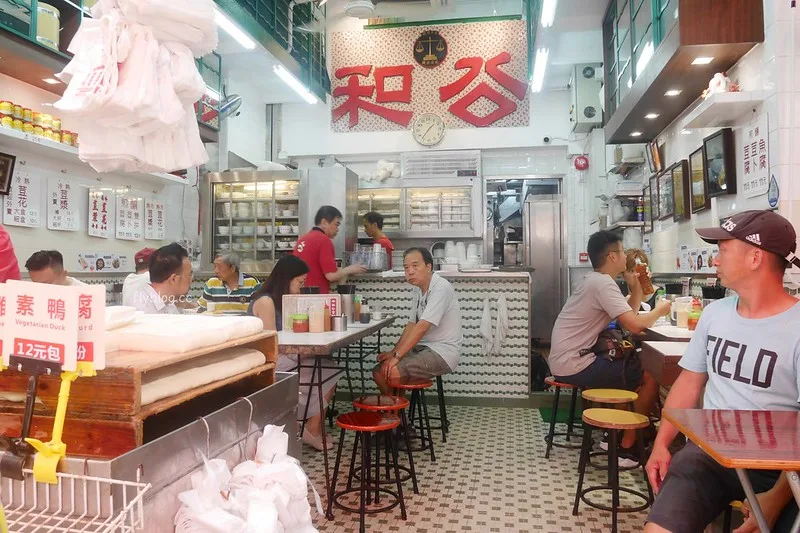
What is more, some restaurants offering suspended-meal coupons drew crowds of street sleepers and were hit with complaints that the handouts disturbed local order and hygiene, while long queues left the elderly out in the sun and rain. Soya shops can largely avoid these situations: most have tiny shopfloors, some customers can only stand at the kerb holding their bowl, it is eaten in two or three minutes without creating a nuisance, and waiting times for the elderly are shorter.
These kind-hearted soya shops have won near-universal praise from the public, and some people have made a point of saying that even without free soya products they would still support the small shops — proof that CSR really can pay off for a business. When you learn that a soya shop has joined such a scheme of its own accord, how does it make you feel as a consumer?
Reading guide:
- “Corporate Social Responsibility (CSR)” means that besides pursuing profit, a business builds environmental protection or social care into its operations
- Businesses that practise CSR can build a positive brand image and strengthen employees’ identification with the company
- Many soya shops in Hong Kong have taken up CSR, giving out free soya products to the elderly
- Compared with the typical restaurant running suspended-meal coupons, soya shops can run such schemes with greater flexibility
Mini challenge:
If you owned a soya shop and wanted to give away free dau fu fa, and your shop has always had seating for customers, how would you avoid the kind of complaints faced by restaurants offering suspended-meal coupons?