Okara is not rubbish! Green businesses conjure up eco-friendly products
Brand Museum Docent
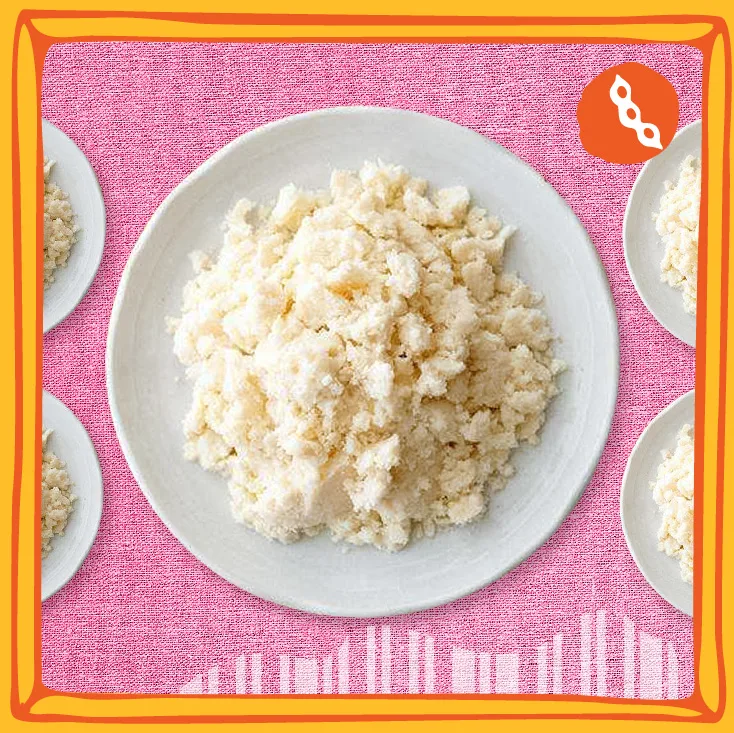
Every visit to a beancurd shop means a cup of soya milk or a bowl of dau fu fa (豆腐花, silky tofu pudding) — but what these leave behind is okara (豆渣), the soya pulp dismissed as useless. In fact this pulp is highly nutritious and highly versatile, and quite a few green businesses have developed a range of unexpected products from it!
A green business is a company that takes sustainable development as its goal and builds environmental interests into its day-to-day operations and management. The three main benchmarks of green management are: a green environment, maintaining the balance of the Earth’s ecosystems; green products, made from the least possible resources and from materials that can be recycled and reused; and green production methods, whose processes do not pollute the environment.
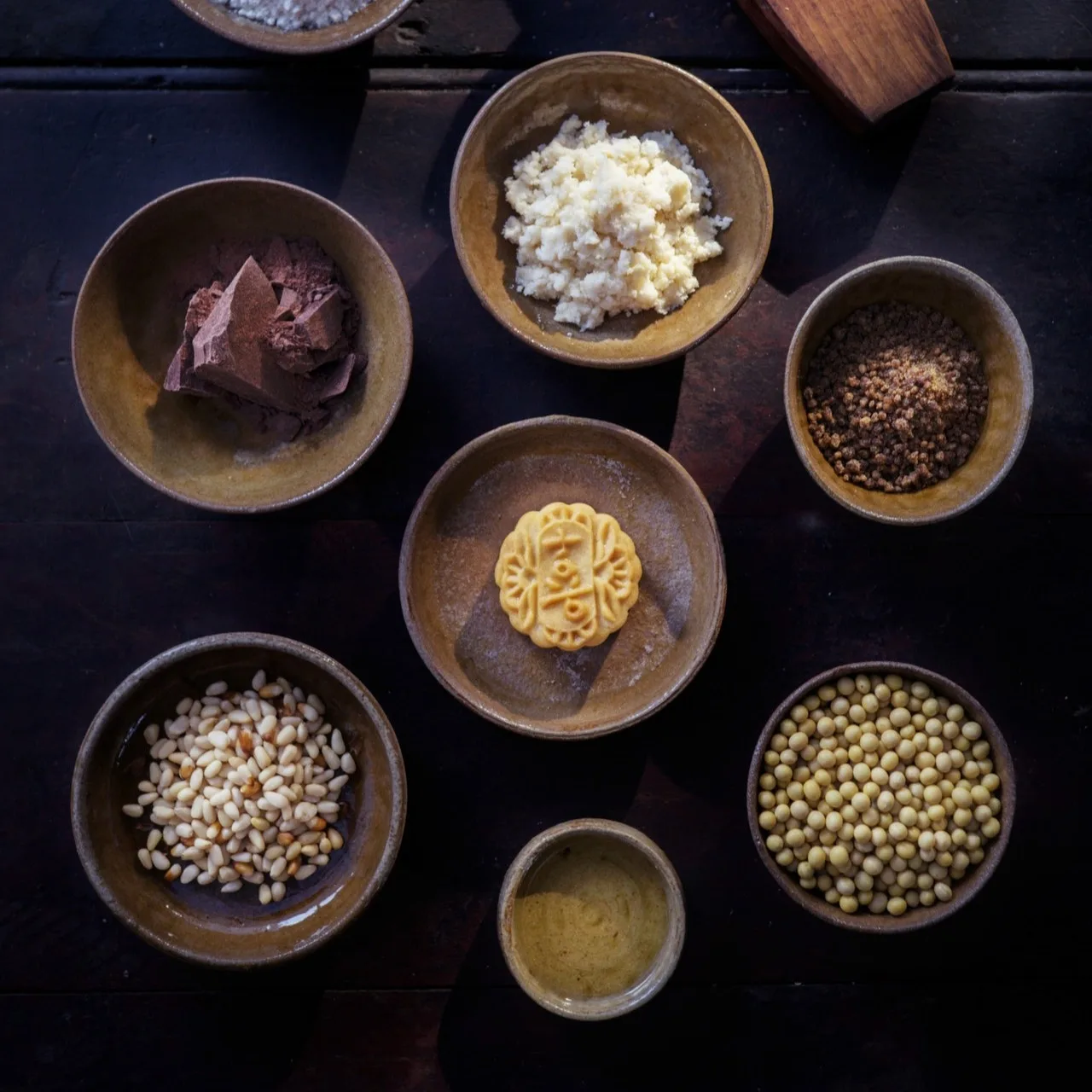
Most of Hong Kong’s environmental businesses today are small and medium-sized enterprises. Among them are founders who, shocked at how much okara was going to waste, poured years of effort into continual refinement before successfully developing okara products.
Organic grocers, bakeries and others have developed the “okara mooncake”. Okara is in fact the part that retains most of the soya bean’s protein and dietary fibre; it promotes intestinal movement and lowers blood cholesterol, so compared with the traditional high-fat, high-sugar mooncake, the okara mooncake really is healthy. Although it costs about the same as a traditional mooncake, making mooncakes from okara is a laborious process: besides grinding and baking the pulp, it must be adjusted according to its moisture content — a great deal of work!
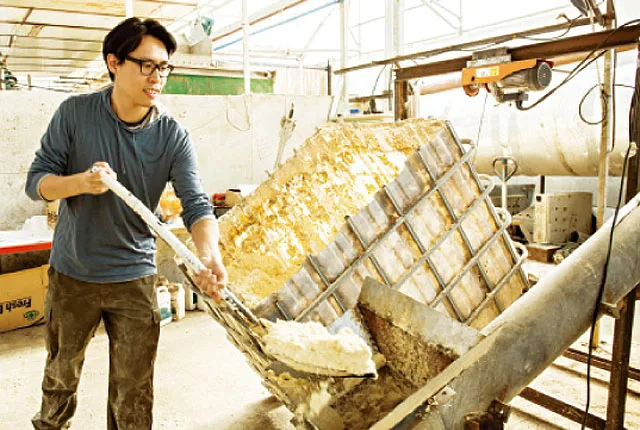
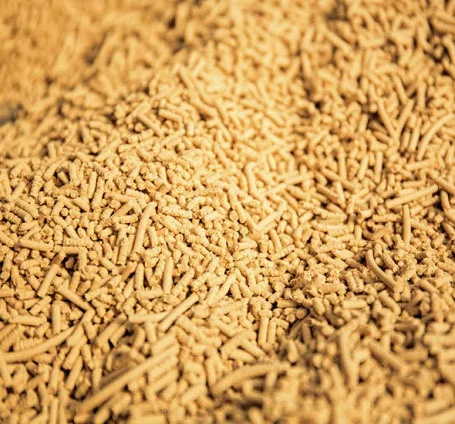
Beyond eco-friendly mooncakes, okara can also be turned into cat litter! The cat litter ordinarily used to cover faeces and urine contains bentonite, whose mining causes air pollution and which barely decomposes after use. Okara cat litter, by contrast, can be flushed down the toilet to decompose naturally, or composted, and even if a cat accidentally eats it there is no harm. But okara spoils very easily, and it took countless trials to master the timing from delivery to dehydration and the steps of blending in other materials.
Running an environmental venture in Hong Kong takes not only time and capital but, above all, a will that can withstand failure and hard knocks — many founders learn by hitting wall after wall. If you come across such eco-friendly products, don’t be scared off by the price: first take the trouble to understand the company’s aims and production process, and if its ideals align with yours, why not buy something to show your support!
Reading guide:
- A green business is a company whose operating philosophy centres on sustainable development (balancing economic growth, society and the environment), meeting defined standards in both its products and its production technology
- Some Hong Kong SMEs have launched okara products, including okara mooncakes and cat litter; the development process is complex and takes a great deal of effort and time to fine-tune
- Doing environmental business in Hong Kong is not easy — next time you see such eco-friendly products, take a closer look first at the company’s ideals and production process
Mini challenge:
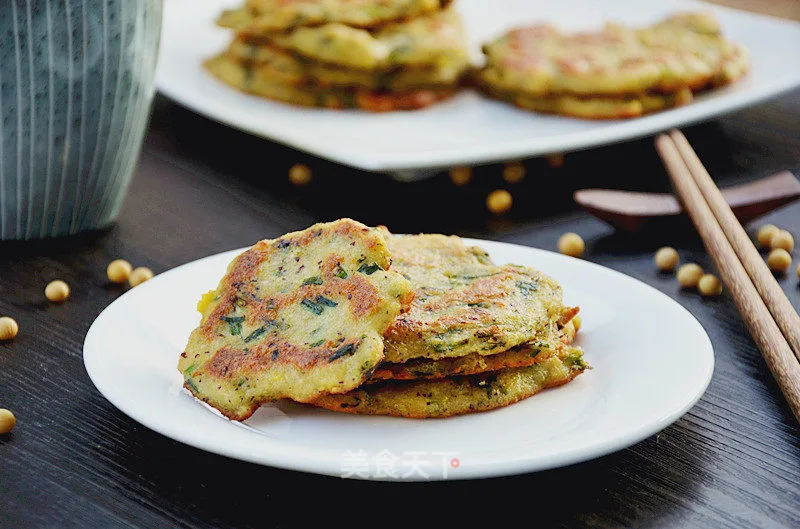
You have eaten plenty of tofu and tofu puffs, but probably never okara. Try cooking these “pan-fried okara patties” with your family, and sample okara’s texture and taste for yourself!
Ingredients: okara, spring onion, carrot, two eggs
- Wring the moisture out of the okara with a cloth so the pulp becomes drier
- Beat two eggs; shred the carrot, dice the spring onion, add a little salt to the okara, and mix all the ingredients well
- Divide the mixture into small patties and pan-fry until golden on both sides