Tsuen Wan's "Ah Yuk" v "Tsan Wo": Dau Fu Fa Becomes the Talk of the Battlefield
Brand Museum Docent
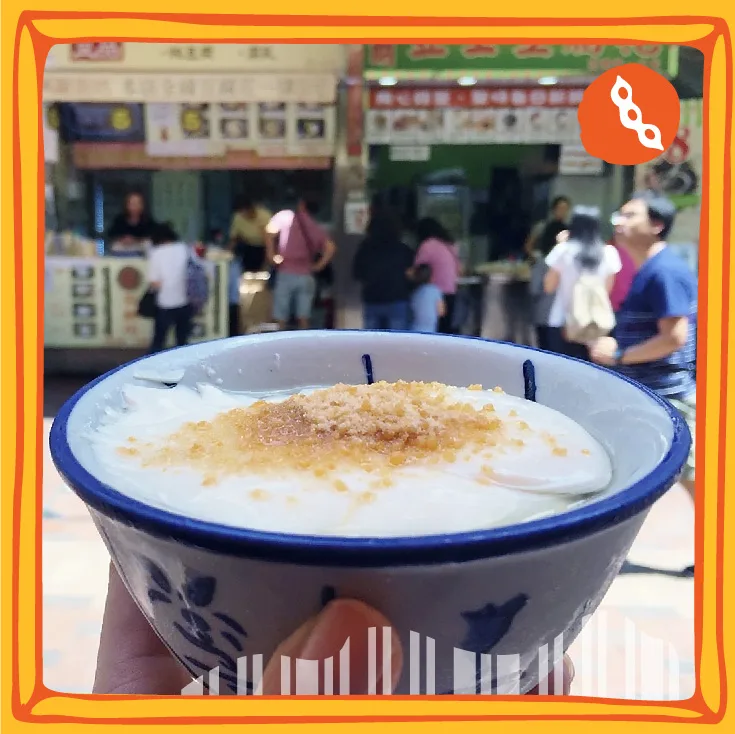
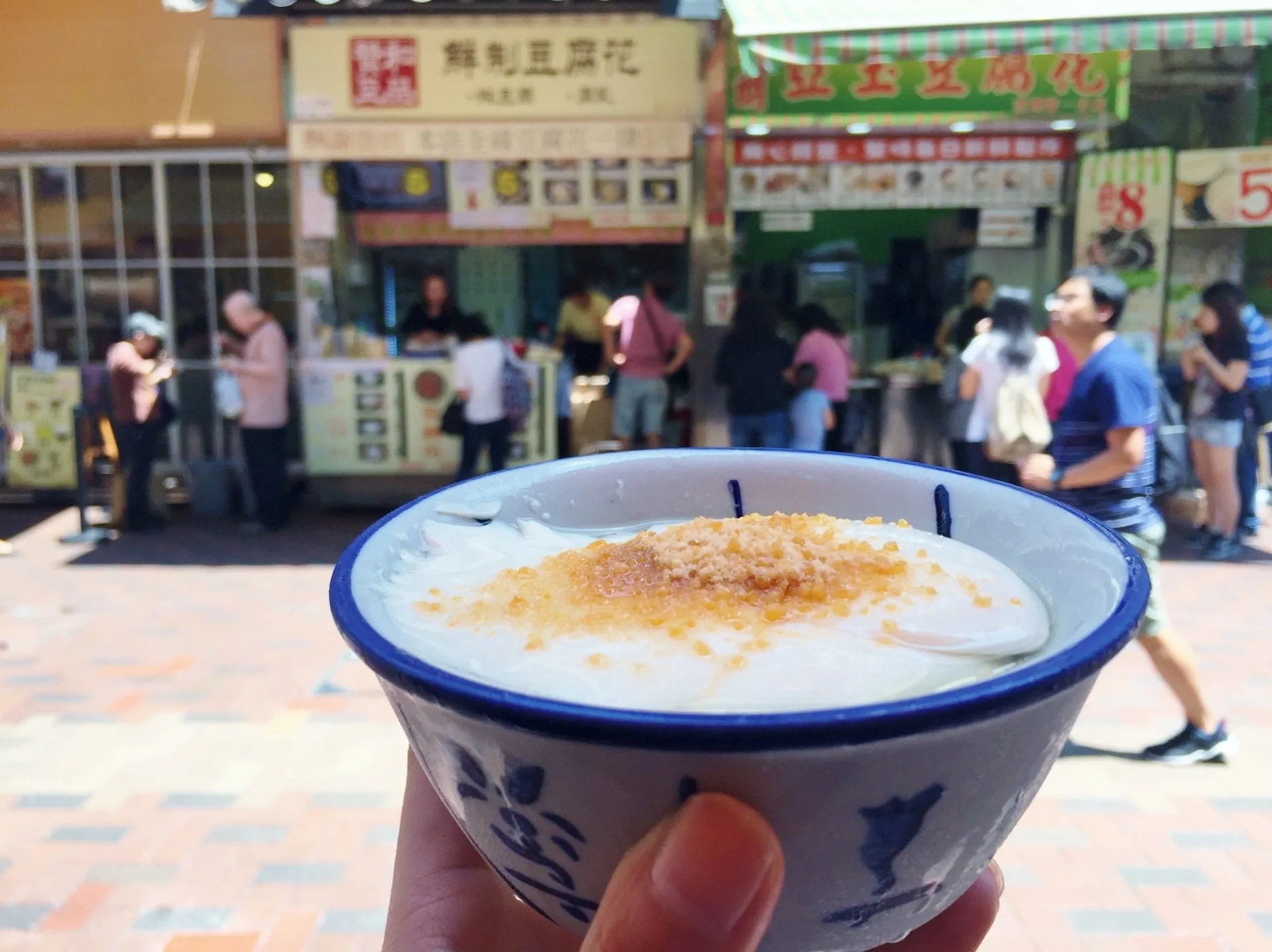
Lo Tak Court in Tsuen Wan is a famous food street, and its most remarkable feature is two dau fu fa (豆腐花, silky tofu pudding) shops trading in adjacent premises. Tofu fa at HK$7–8 a bowl already counts as cheap — yet these two, Ah Yuk Dau Fu Fa (亞玉豆腐花) and Tsan Wo Soya Products (贊和豆品), once sold it for HK$2–3 a bowl!


In fact, it is easy to spot coffee shops, supermarkets, convenience stores and the like choosing to open right next to their rivals. This turns out to be connected to game theory — the Hotelling model. The socially optimal solution would be for the two shops to locate so that customers are split evenly between them.
But under head-to-head competition, each shop wants to capture as many customers as possible: shop A, hoping to poach shop B’s customers, moves closer to shop B, and shop B does the same, until in the end the two shops edge closer and closer — even ending up side by side — reaching a Nash equilibrium.
Ah Yuk opened a year earlier than Tsan Wo, and to attract customers the two launched round after round of price cuts — at one point selling dau fu fa at HK$5 a bowl, at times throwing in a free put chai ko (缽仔糕, steamed rice pudding cake) or lo mai chi (糯米糍, glutinous rice mochi), and more recently cutting dau fu fa to HK$2 a bowl. Is competition like this really a good thing?
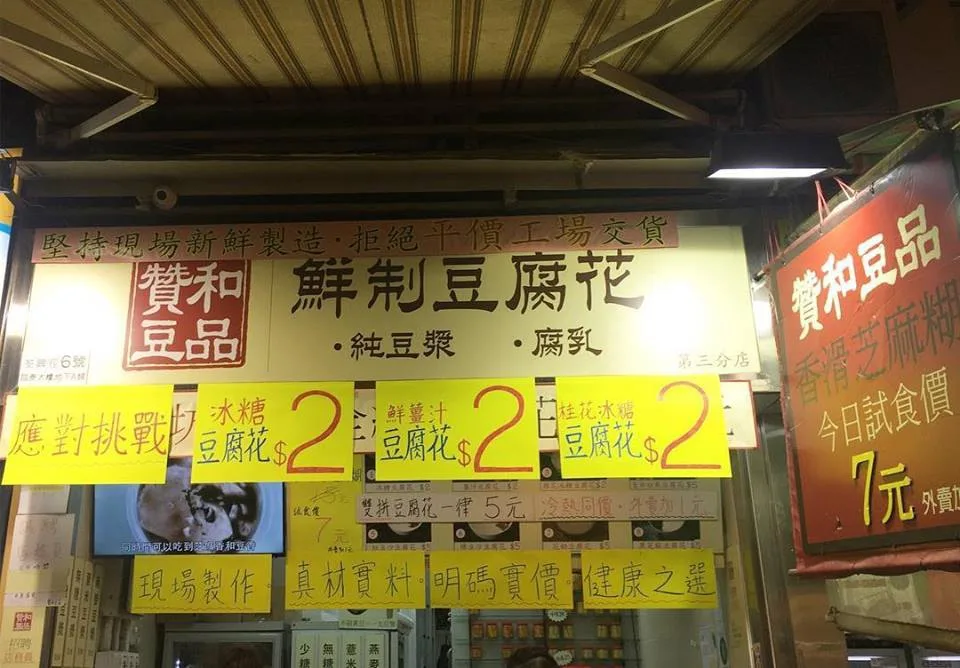
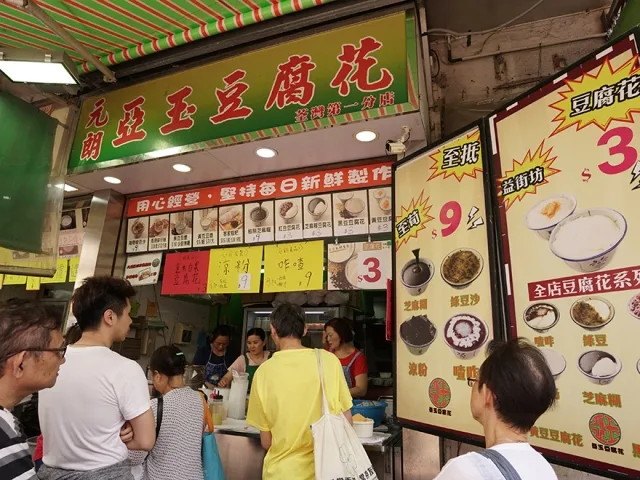
From an economics standpoint, this is price competition — also called cut-throat competition — meaning that when the market gets fierce, suppliers slash prices to stimulate sales, sparing no expense, even dropping prices below cost.
For price-sensitive customers this is of course welcome, though one customer said in an interview, “I stick with whichever one I’m used to” — so a price war does not necessarily work on every customer.
Both soya shops are small operations. A short burst of promotion is a reasonable strategy, but a prolonged price war makes it hard to balance wages, rent and other outgoings, and would only end with both sides bruised.
To attract customers for the long term, cut-throat competition is never quite right; the best course is to raise the quality of the food. For a taste of silky-smooth dau fu fa, customers will surely happily pay a few dollars more!
Reading guide:
- The Hotelling model explains why shops selling the same kind of product open next to their competitors: each side wants not only to keep its own customers but to poach the other’s, and the operators end up in their best positions, reaching a Nash equilibrium. But this is not the socially optimal outcome, because customers who could once reach a shop in one minute now need more than a minute
- Ah Yuk Dau Fu Fa and Tsan Wo Soya Products used a price war to attract customers, which does neither side any good in the long run, given the many expenses to balance
- Raising food quality is the more effective long-term strategy for keeping and attracting customers
Mini challenge:
There is plenty of online discussion about the two dau fu fa shops, each with its own supporters. If you pass Lo Tak Court sometime, try a “blind tasting” contest of their dau fu fa — judging soya aroma, taste, texture and more — and see which shop wins!