Can brand advertising and the view from the bus coexist?
Brand Museum Docent
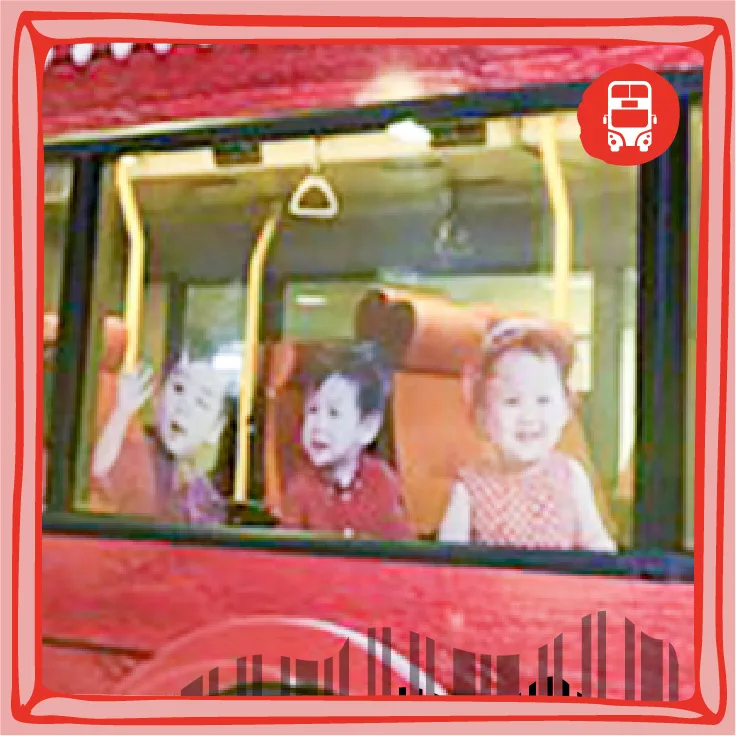
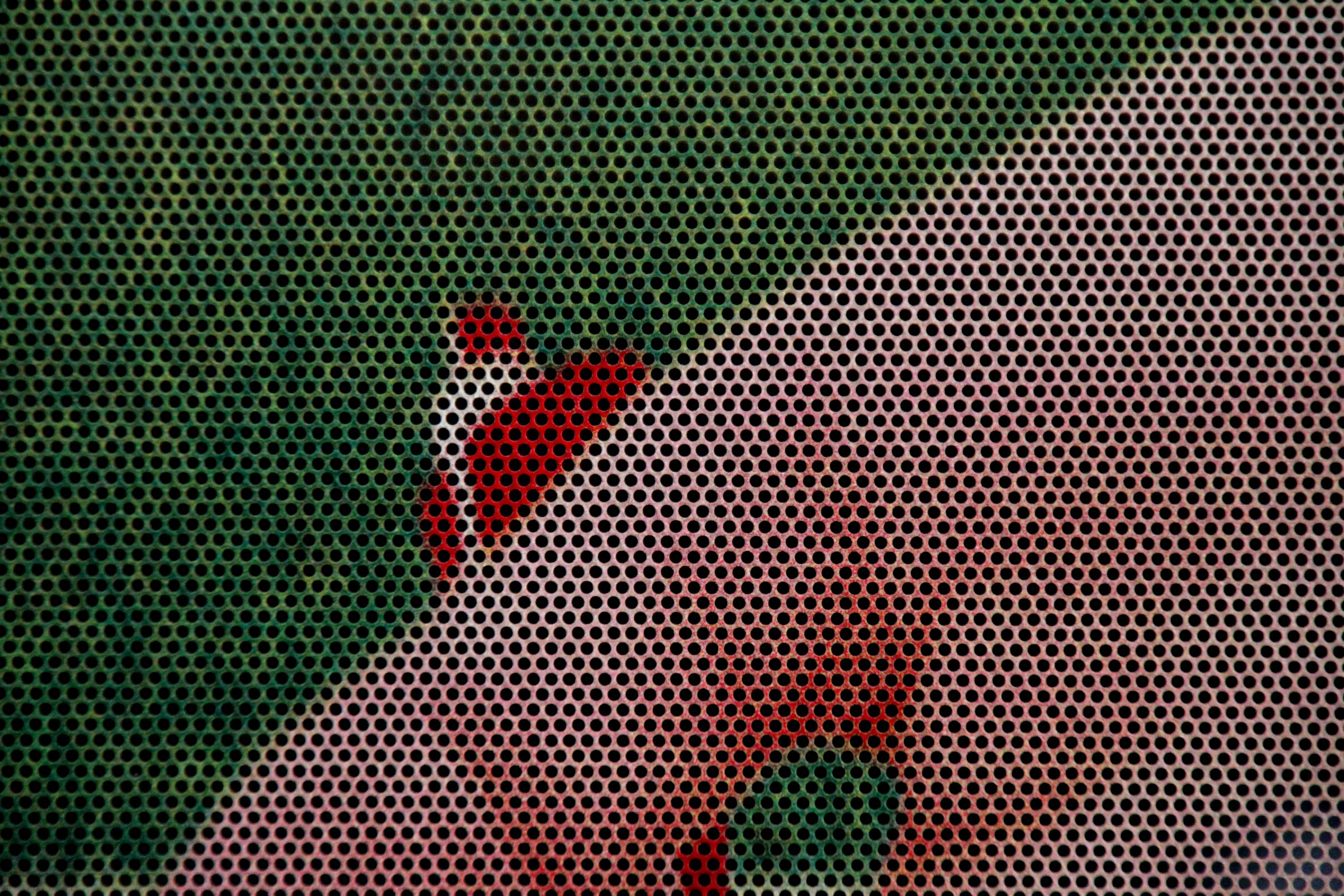

Riding the bus, you sometimes get a window seat — have you ever noticed the sticker covered in tiny black dots on the glass?
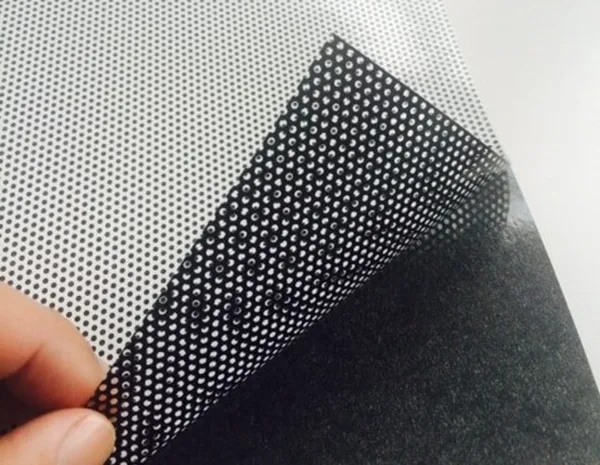
This see-through advertising technology is called Contra Vision: its surface is full of tiny holes and lets plenty of light through. It achieves a one-way see-through effect — even with an advertisement applied to the bus body, passengers inside can still see the scenery outside, while people outside see the complete advertisement.
One side of the film is printed with the advertisement over a 70% grey base; the other side is the unprinted black see-through area.
In daylight, the printed side reflects more light, so our eyes are drawn to the coloured side; inside the bus, the black layer absorbs light and becomes inconspicuous, so passengers in the cabin see the scenery first.
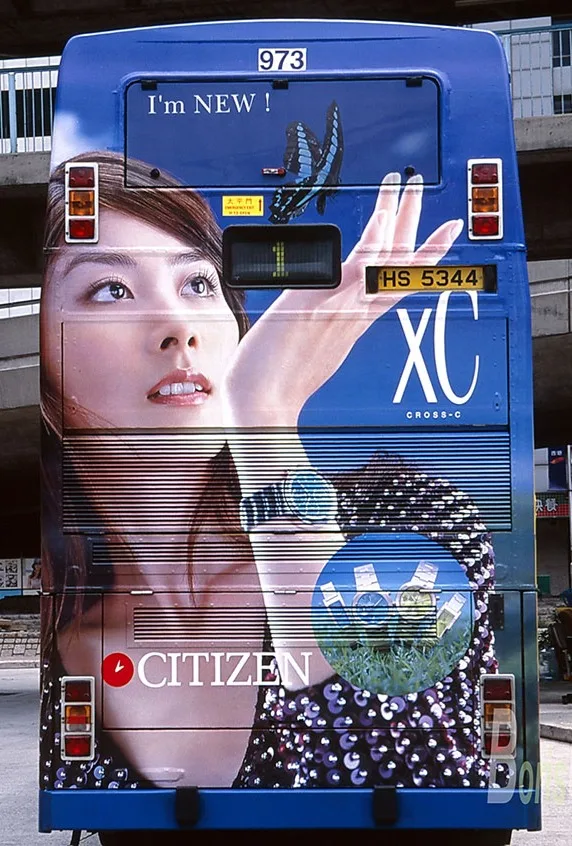
In fact, back in 1995, KMB (Kowloon Motor Bus) covered the upper-deck windows of its buses with Contra Vision advertisements — and drew a flood of passenger complaints.
The government subsequently banned Contra Vision advertising entirely from the front and sides of buses, permitting it only on the rear.
Later, in 2000, the government began relaxing the rules, allowing upper-deck windows to carry advertising covering no more than 20% of the upper-deck window area. Opaque or fluorescent advertisements, however, remained banned from bus windows altogether, so as not to affect passengers or other road users.
That scheme lasted about four and a half years; finally, on 1 January 2005, the government formally approved allowing half of each franchised bus fleet to carry advertising on their windows — which is why the bus advertisements on the streets today have become ever more varied!
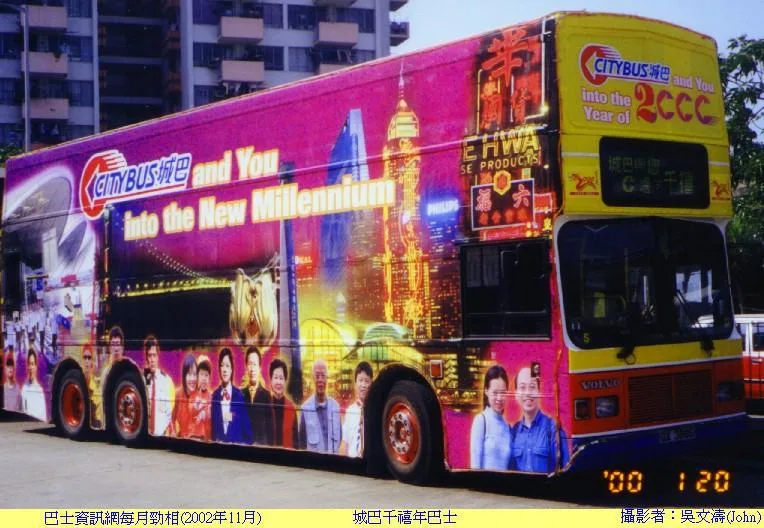
Sometimes, though, a bus advertisement fails to meet government standards and has to be reprinted. For example, Citybus wrapped an entire bus in a Contra Vision advertisement celebrating the millennium, but it conflicted with traffic regulations and the bus had to be withdrawn from passenger service. Citybus turned it into a bus that toured the districts on a regular schedule, parking on display at different termini so that people all over Hong Kong could see it!
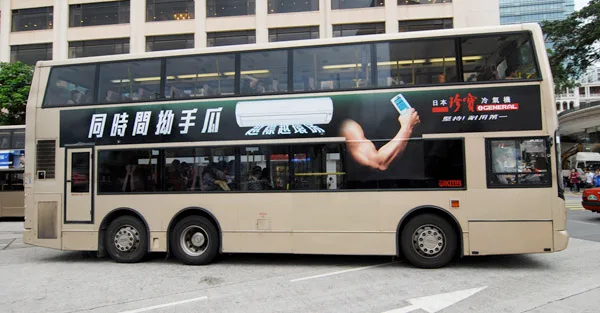
Nowadays not only buses but even minibuses have begun using Contra Vision advertising. Next time you take public transport, take a look at the windows and experience this intriguing advertising technology for yourself.
Reading guide:
- The tiny black dots on bus windows are an advertising technology called Contra Vision: people outside can see the advertisement, while people inside are not blocked from the passing scenery
- The technology works on the principle of light reflection: in sunshine, the cabin is darker than outside and the printed, coloured side of the advertisement absorbs more light, so people outside can see the advertisement but cannot see the people inside clearly
- At night the cabin is brighter than outside, and the light reflected from within lets people outside see clearly into the bus
- The government at first discouraged this kind of advertising because of its effect on passengers, but from 2005 it relaxed the scheme, approving half of each franchised operator’s buses to carry window advertising without an area limit
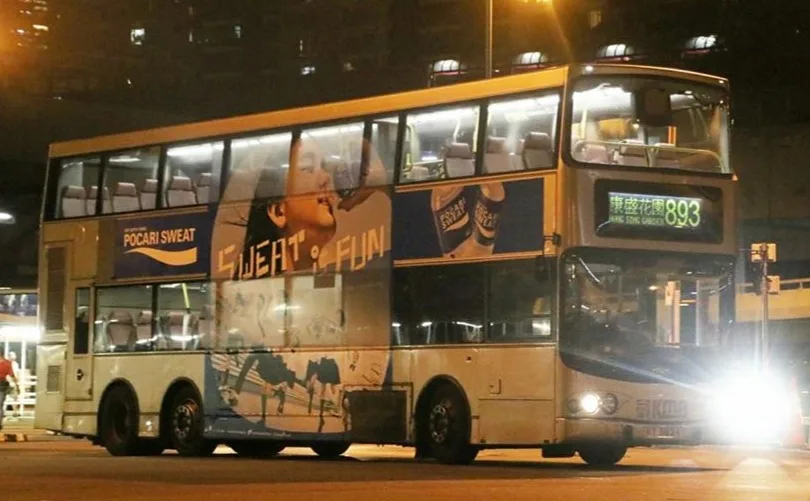
Mini experiment:
Riding a bus at night, these advertisements may look like a layer of camouflage — but in fact people on the street can see everything inside the bus perfectly clearly! Try taking the bus both in daylight and at night: look at the advertisement from outside before you board, then go inside the cabin and see what the difference is!