Kung Wo, Yee Wo and Liu Tung Hop Keep the Stone Mills Turning — All for the Taste of the Bean
Brand Museum Docent
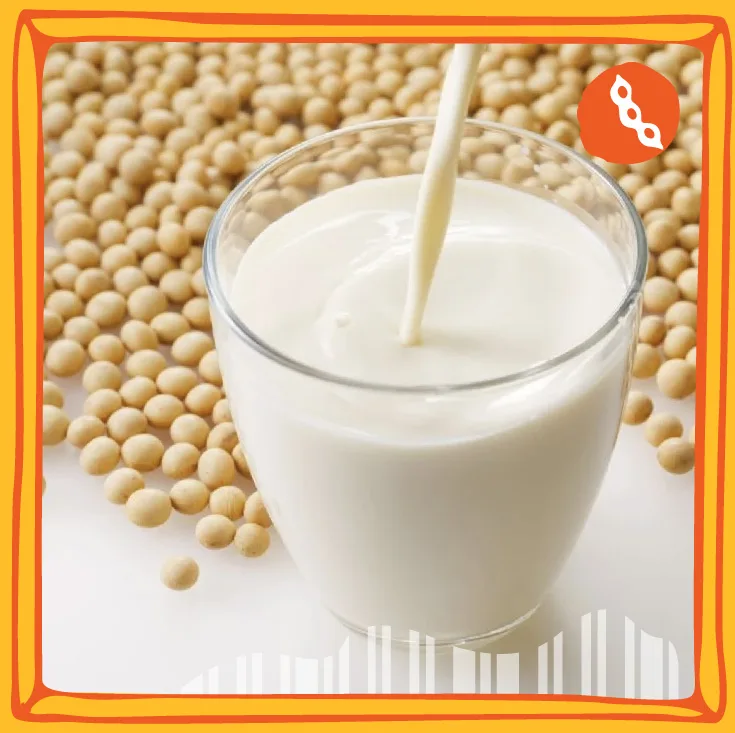
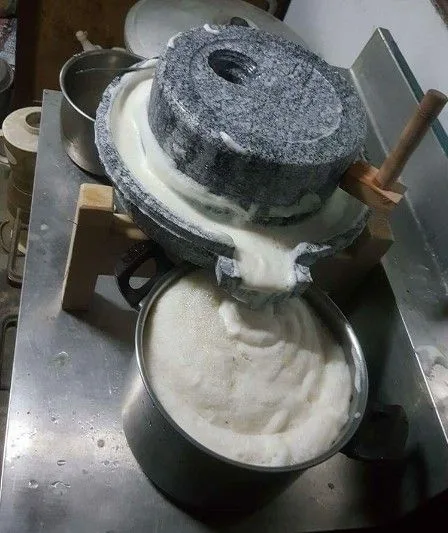
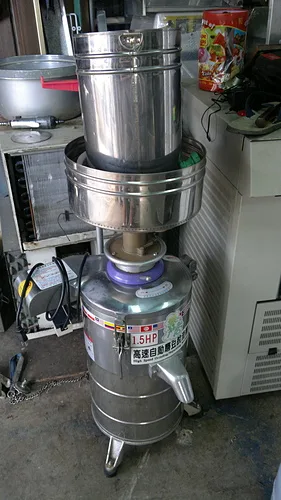
Some soya shops — Kung Wo (公和, the Kung Wo Beancurd Factory), Yee Wo (義和) and Liu Tung Hop (廖同合) among them — insist on grinding their beans with stone mills. What exactly is the difference between a stone mill and a mechanical soya milk grinder?
The mechanical soya milk grinder, also called a steel-burr mill, usually grinds at high temperature, which easily destroys the rich aroma of the soya bean and can even leave a scorched taste, producing soya milk with a thin, watery texture. A stone mill’s grinding teeth turn evenly, giving the soya beans good contact with the surrounding air, so the soya aroma is fuller and the texture richer.
Nutritionally, the steel-burr mill’s high-speed cutting, high-temperature grinding and high-pressure processing cause the soya bean’s nutrients to be lost. Stone-ground soya milk still has to be boiled, so some nutrients are lost there too, but the method retains more of the protein, calcium, phosphorus, iron, and vitamins B1 and B2.
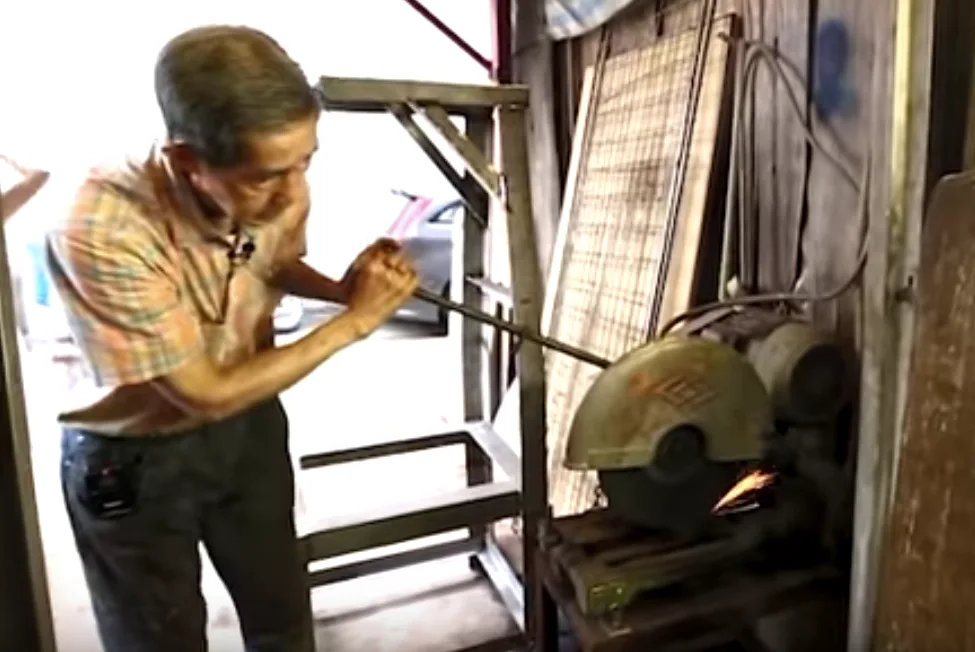
Shops still making soya products with stone mills are ever fewer, and only two workshops in all of Hong Kong still know how to make and repair them: one is Mak Wing Kee (麥榮記), the other the Ka Wai Machinery Factory (加威機器廠).
Do not underestimate this trade — without patience and strength you could not keep at it. Making a stone mill takes at least a month. First the mill body must be ground down; the base is divided into 8 equal sections, each cut with 9 grooves, every mark measured and chiselled by hand. Selecting the stone, grinding and fine-tuning together take a full 20 days!
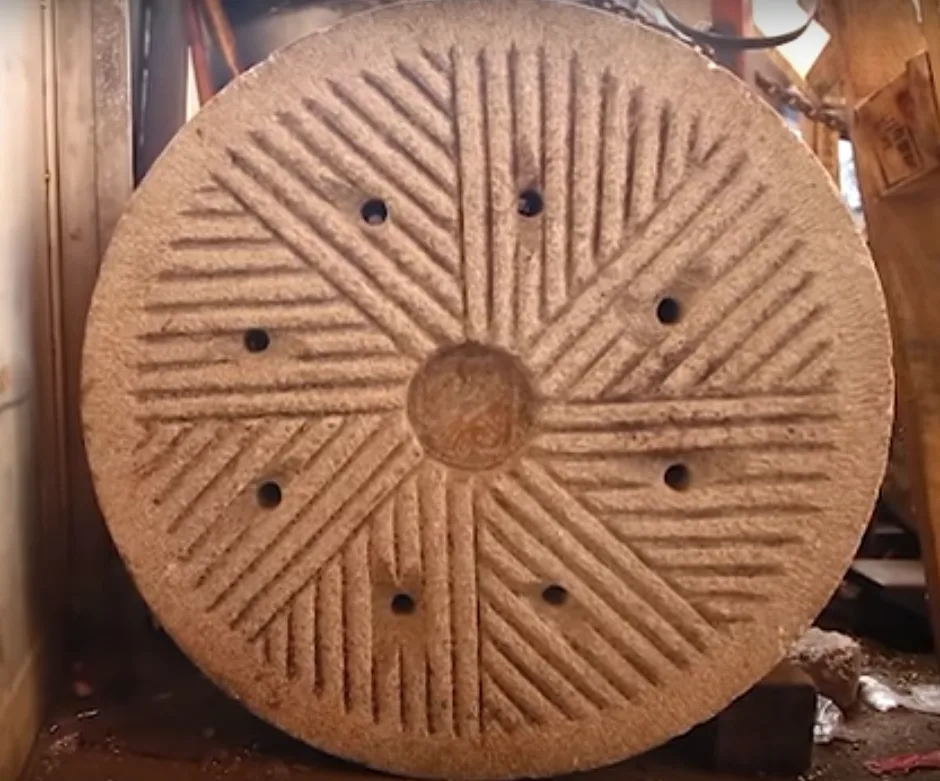
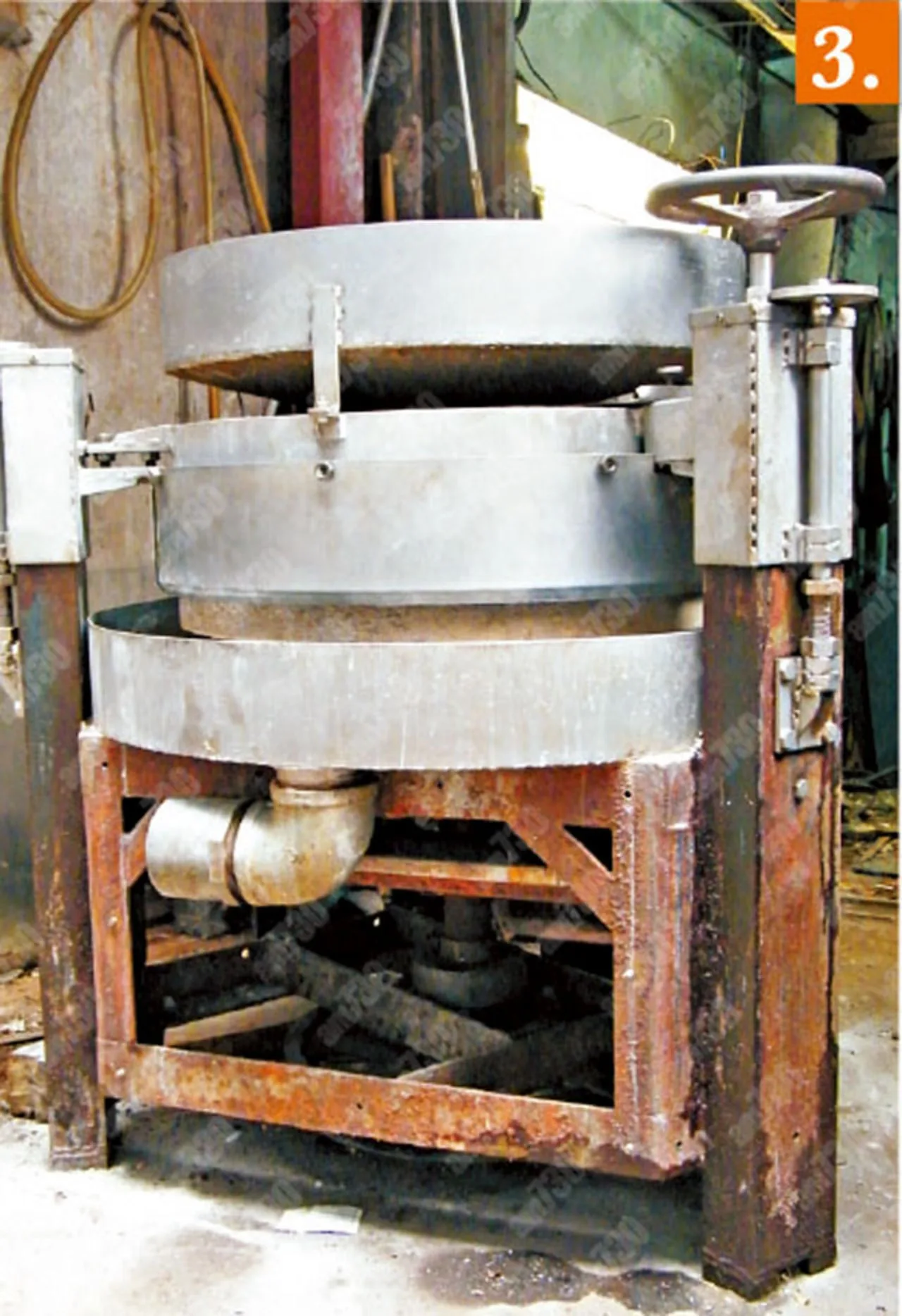
Each stone mill can be used for twenty to thirty years, but the steel-burr mill is cheaper, spins faster and can grind more beans in a day, so stone mills have gradually been replaced by steel ones. The stone-mill trade is clearly fading. Next time you pass one of these soya shops, order a cup of soya milk and savour the taste of that perseverance!
Reading guide:
- The biggest differences between the stone mill and the steel-burr mill lie in taste and nutrition: the stone mill turns at an even speed and better preserves the soya bean’s protein, calcium, phosphorus and other nutrients, along with the soya aroma
- Soya shops that stick with stone mills are dwindling, because stone mills cost more, take longer to grind and yield less
- Only two workshops in Hong Kong still repair stone mills; making one takes a month, and the essential skills are patience and strength
Mini challenge:
One soya shop that had always used a stone mill once switched to a steel-burr mill — and its regulars could taste the difference from the very first sip. Try soya products ground by these two different mills at Hong Kong’s soya shops, note down the taste of each, and see whether the stone-ground version really is more fragrant and more delicious!